National Issues
Rise of Digital Payment in Nigeria -By Kyenret Peter
The NIBSS Instant Payment (NIP) platform is the backbone of the economy. In Q1 2025, NIP transactions reached a value of ₦285 trillion. In November 2025, Nigeria launched the National Payment Stack (NPS) to further unify banks and fintechs for millisecond settlement.

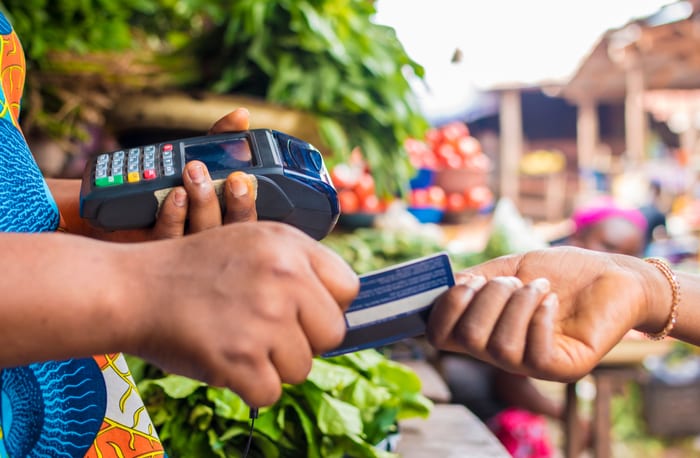
In 2025, Nigeria’s digital payment ecosystem has reached an all-time high, with electronic transactions surging to ₦284.99 trillion in Q1 2025 alone, a 17.7% year-on-year increase. This transformation is driven by a massive shift away from cash, which dropped from 91% of total transactions in 2019 to 55% in 2023, and is projected to reach 42% by 2027.
Key Market Drivers in 2025
Instant Payments Dominance: The NIBSS Instant Payment (NIP) platform is the backbone of the economy. In Q1 2025, NIP transactions reached a value of ₦285 trillion. In November 2025, Nigeria launched the National Payment Stack (NPS) to further unify banks and fintechs for millisecond settlement.
Fintech Innovation: Neobanks like OPay, PalmPay, and Moniepoint have revolutionized consumer expectations with high-speed, low-fee transfers. Fintechs now handle more than half of the country’s digital transactions.
Point of Sale (PoS) Surge: PoS transactions rose to ₦10.45 trillion in Q1 2025, a 209% increase from the same period in 2024. The number of active PoS terminals exceeded 2.9 million by mid-2024.
Mobile & Smartphone Penetration: Smartphone usage is projected to reach 140–143 million users in 2025. This has fueled a 108% growth in mobile app transfers.
Regulatory Push: The Central Bank of Nigeria (CBN) continues to drive its PSV2025 vision, promoting initiatives like the eNaira and the AfriGo domestic card scheme to reduce reliance on foreign payment rails.
Economic Impact
Bank Revenue: Traditional banks are pivoting to digital; eight major banks earned ₦514.82 billion from electronic payment fees in the first nine months of 2025.
GDP Growth: Real-time payments are projected to unlock an additional $6 billion in GDP by 2026.
Financial Inclusion: Access to formal financial services reached 74% of adults by late 2025, aided by a network of over 2.1 million active agents.
Ongoing Challenges
Fraud & Security: Despite 79% of Nigerians trusting digital payments, fraud-related cases saw a 200% increase over the last two years, leading to urgent calls for better cybersecurity.
Infrastructure Gaps: Frequent PoS transaction failures (averaging 11.5% in some reports) and limited internet/electricity in rural areas continue to hinder 100% adoption.
Digital Literacy: Only about 36% of adults are considered financially literate, which creates skepticism toward digital platforms.