
Africa
Bright Borders, Dark Homes -By Ayomide Eugene Adisa
The situation worsens at the distribution level, where regulatory failure is most visible. Distribution companies lose up to half of the electricity they receive through theft, outdated infrastructure, and poor metering, yet enforcement remains weak. Instead of decisively fixing these losses, government policy has leaned heavily on tariff increases, effectively transferring the cost of inefficiency to consumers without delivering reliable service in return.

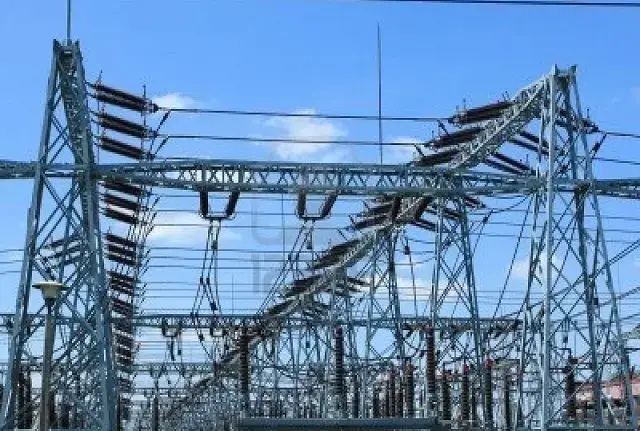
Nigeria’s electricity crisis remains one of the clearest symbols of governance failure in Africa’s largest economy. Despite its status as the continent’s biggest economy and energy hub, more than 85 million Nigerians still lack reliable electricity, enduring blackouts that disrupt education, healthcare, and businesses. Over the years, successive governments have announced reforms and targets, yet the lived reality for most citizens shows that political promises have consistently failed to translate into dependable power supply.
Against this backdrop, Nigeria’s continued export of electricity to neighbouring countries such as Benin, Togo, and Niger has deepened public frustration. Although officials argue that exports are limited to about 600MW and generate valuable revenue—about ₦181.62 billion in early 2024—the explanation offers little comfort to households in darkness. The claim that only “stranded capacity” is exported appears disconnected from everyday experience and reinforces the impression that government priorities are skewed toward earnings rather than domestic need.
At the heart of the crisis lies decades of neglect and weak governance within the power system itself. Gas-powered plants are crippled by vandalized pipelines, unpaid debts, and ineffective regulation, leaving nearly 10,000MW of installed capacity idle. Compounding this failure, the transmission grid—aging and overstretched—has suffered repeated nationwide collapses, exposing a pattern of underinvestment and poor planning that government has been slow to confront.
The situation worsens at the distribution level, where regulatory failure is most visible. Distribution companies lose up to half of the electricity they receive through theft, outdated infrastructure, and poor metering, yet enforcement remains weak. Instead of decisively fixing these losses, government policy has leaned heavily on tariff increases, effectively transferring the cost of inefficiency to consumers without delivering reliable service in return.
In response to mounting criticism, the government points to interventions such as the ₦4 trillion debt reduction plan, the Siemens-backed Presidential Power Initiative, and the new Electricity Act as evidence of progress. However, many of these measures echo past initiatives that produced limited results. Without transparency, consistent implementation, and institutional discipline, decentralisation and renewable energy ambitions risk becoming recycled promises rather than real solutions.
Ultimately, Nigeria’s electricity paradox is not defined by power exports but by sustained government failure to repair a broken system. Until authorities demonstrate genuine commitment to infrastructure investment, regulatory enforcement, and citizen-focused planning, the country will remain in the troubling position of lighting up neighbouring states while its own people continue to live, work, and aspire in the dark.























You must be logged in to post a comment Login