
Forgotten Dairies
The 2027 Question: Can Nigerians Choose Vision Over Division? -By Daniel Nduka Okonkwo
Veteran politician Atiku Abubakar remains a significant, if polarizing, presence. Having contested multiple times, his declaration that the next election may be his last emphasizes both persistence and enduring appeal among sections of the electorate. For some, he represents experience and adaptability. For others, he symbolizes the continuity many Nigerians seek to move on from. The critical question remains whether persistence alone is sufficient in a rapidly evolving political space.

“With malice toward none, with charity for all, with firmness in the right as God gives us to see the right, let us strive on to finish the work we are in, to bind up the nation’s wounds…”
— Abraham Lincoln, Second Inaugural Address, March 4, 1865
In the crucible of Nigeria’s democracy, 2027 is no ordinary election. It is a battle for the soul of a nation. For too long, Nigerians have been shackled by tribalism, sentiment, and the fleeting lure of bags of rice and cash handouts, while true progress slips further away. But history calls for a new narrative: a moment when citizens rise above manipulation and demand leaders of competence, courage, and vision. This is not just another contest for power; it is a plebiscite on whether Nigerians are ready to break free from recycled elites and failed promises, to reclaim their destiny, and to chart a bold course toward prosperity. The time has come to silence the politics of poverty and embrace the politics of possibility, because Nigeria cannot afford another four years of suffering, hardship, and squandered hope.
Can Nigerians rise above tribalism, sentiment, inducements, and short-term gains to choose leaders defined by competence and vision? Can the electorate move beyond the politics of immediate gratification and embrace long-term national interest? These questions sit at the heart of Nigeria’s democratic expedition.
Nigeria’s democratic voyage is entering a significant chapter as the 2027 presidential race approaches. This contest is not simply another turn in the electoral cycle; it is a moment of reckoning that forces citizens to weigh not only the personalities on the ballot but the ideologies they embody. What hangs in the balance is more than political power. It is the trajectory of a nation wrestling with economic hardship, fragile institutions, and an urgent call for leadership that can inspire trust and deliver tangible progress.
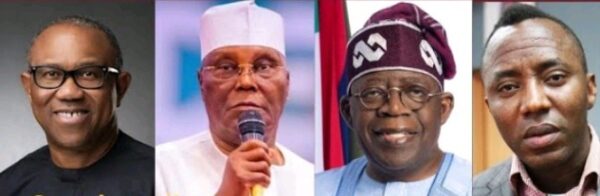
Omoyele Sowore stands as a figure of defiance against entrenched authority. Known for his activism and as the founder of Sahara Reporters, Sowore has built his political identity on confronting what he describes as a corrupt and recycled elite. His “RevolutionNow” doctrine is framed not merely as rhetoric, but as a call for systemic disruption. To his supporters, he represents consistency and courage, a man who has remained steadfast in challenging power structures without compromise. His recent conduct during moments of public tension, where he urged restraint among supporters despite provocation, has been cited as evidence of growing political maturity, potentially broadening his appeal beyond core activists. Yet, his vision raises critical questions. Can revolutionary zeal translate into effective governance within Nigeria’s complex institutional framework?
Peter Obi offers a markedly different proposition. Emerging as a formidable force in the last election cycle, Obi has cultivated a reputation grounded in fiscal discipline, administrative experience, and a technocratic approach to governance. His oft-repeated assertion that he is “not desperate to be president, but desperate to see Nigeria work” encapsulates a campaign centered on reform rather than upheaval. Obi’s agenda prioritizes security, education, and economic restructuring, with a focus on transitioning Nigeria from a consumption-driven economy to a production-based one. His supporters view him as a bridge between idealism and practicality, capable of stabilizing the nation within a defined timeframe. Yet critics question whether incremental reform can sufficiently address systemic dysfunction, or whether it risks being absorbed by the very structures it seeks to change.
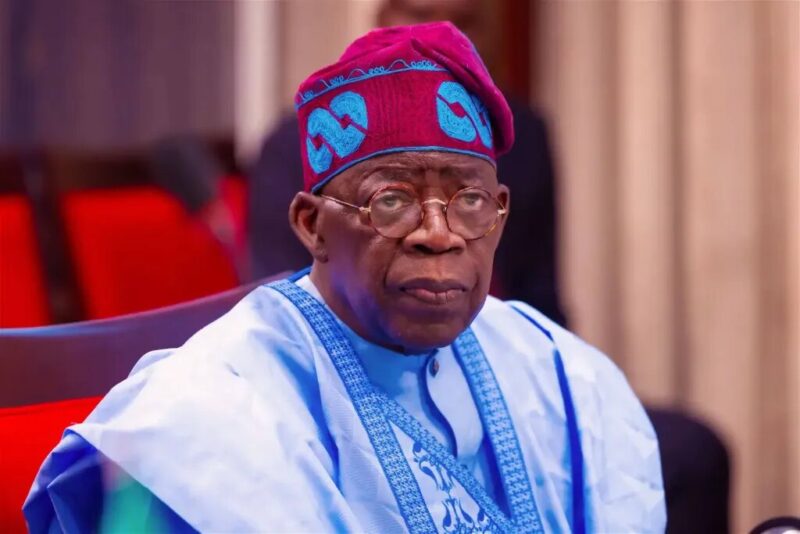
Incumbent President Bola Ahmed Tinubu represents continuity, anchored in political experience and institutional control. A seasoned strategist, his governance is framed around the “Renewed Hope” agenda, emphasizing economic reforms, infrastructure development, and investment. His administration has taken bold, if controversial, steps, including subsidy removal and currency reforms aimed at long-term stabilization. However, these policies have come at significant social cost. Rising inflation, currency volatility, and increased living expenses have intensified public dissatisfaction. Supporters argue that such hardship is the inevitable price of reform and that Tinubu’s political machinery and coalition-building skills uniquely position him to navigate Nigeria’s complexities. Detractors, however, warn of an overconcentration of power and the risk of democratic erosion.
Veteran politician Atiku Abubakar remains a significant, if polarizing, presence. Having contested multiple times, his declaration that the next election may be his last emphasizes both persistence and enduring appeal among sections of the electorate. For some, he represents experience and adaptability. For others, he symbolizes the continuity many Nigerians seek to move on from. The critical question remains whether persistence alone is sufficient in a rapidly evolving political space.
What emerges from this field is not merely a contest of individuals, but a referendum on Nigeria’s future. Sowore embodies disruption, a break from entrenched systems. Obi represents reform, a structured attempt to recalibrate governance. Tinubu stands for continuity, leveraging experience and political networks. Atiku represents persistence within the traditional political order.
For Nigerian voters, the decision is profound and consequential. It is a choice between disruption and stability, reform and continuity, or persistence within familiar frameworks. Each path carries risks and possibilities, and none guarantees immediate success.
Ultimately, the question of who is “worthy” cannot be answered in abstraction. It must be grounded in a clear-eyed assessment of competence, character, vision, and the capacity to translate promises into measurable progress.
As Nigeria approaches another election, its citizens are not merely selecting a leader. They are defining the trajectory of their nation for years, perhaps decades, to come. The vote in 2027 is not just about who wins. It is about whether Nigerians will finally choose vision over division, courage over complacency, and possibility over poverty. The ballot is more than paper; it is the people’s voice, and it must count.
Daniel Nduka Okonkwo is a Nigerian investigative journalist, publisher of Profiles International Human Rights Advocate, and policy analyst whose work focuses on governance, institutional accountability, and political power. He is also a human rights activist, human rights advocate, and human rights journalist. His reporting and analysis have appeared in Sahara Reporters, African Defence Forum, Daily Intel Newspapers, Opinion Nigeria, African Angle, and other international media platforms. He writes from Nigeria and can be reached at dan.okonkwo.73@gmail.com.















You must be logged in to post a comment Login