
Forgotten Dairies
The Community As The First Line Of Defence: Rethinking Nigeria’s Approach To Infectious Disease Prevention -By Ojukwu Collins Uchenna
Nigeria’s public-health institutions, including the Nigeria Centre for Disease Control and Prevention, play an important role in coordinating surveillance and responding to infectious disease threats. Community-level reporting can strengthen these efforts when it is connected to trained personnel, diagnostic services and reliable communication systems.

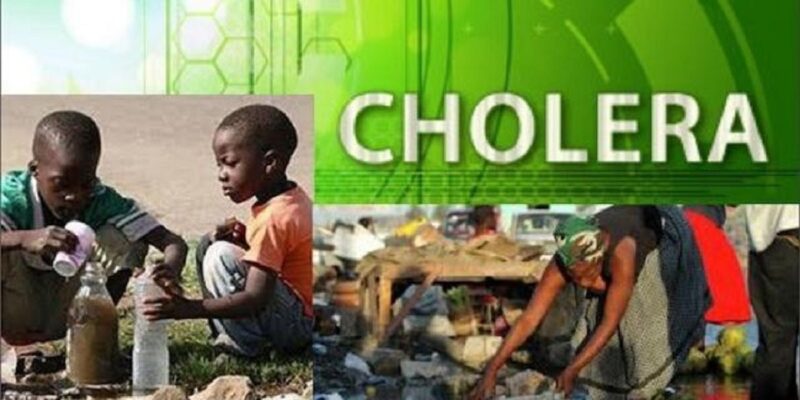
The fight against infectious diseases cannot be won by hospitals and government agencies alone. It must begin in the communities where people live, work, learn and interact every day.
When an infectious disease spreads through a community, the consequences extend far beyond those who become ill. Families face uncertainty, schools and businesses may be disrupted, healthcare facilities experience additional pressure, and public confidence can weaken. Yet, many of the opportunities to prevent disease transmission exist long before patients arrive at hospitals.
A community that understands how infections spread, recognises warning signs, maintains proper sanitation and trusts its healthcare workers is better positioned to protect its members. Conversely, communities with limited access to reliable health information, inadequate sanitation and weak connections to healthcare services may struggle to respond effectively when infectious diseases emerge.
For Nigeria, where infectious diseases continue to present important public-health challenges, strengthening community participation must become a central component of disease prevention. The question is no longer whether communities have a role to play, but how effectively that role can be supported, organised and sustained.
Disease Prevention Begins Where People Live
Public health is often associated with hospitals, laboratories, vaccination centres and government institutions. These services are indispensable, but disease prevention also depends on everyday conditions within households and communities.
Access to safe drinking water, proper sanitation, effective waste disposal, adequate ventilation and reliable health information can influence the risk of exposure to infectious diseases. Community practices also affect whether people seek medical attention promptly, complete prescribed treatment and follow appropriate infection prevention measures.
Consider cholera, an acute diarrhoeal disease commonly associated with contaminated food or water. Providing safe water, improving sanitation, promoting hand hygiene and ensuring access to prompt treatment are fundamental to reducing its impact. When these measures are absent, individual treatment alone cannot eliminate the conditions that allow transmission to continue.
Similarly, preventing malaria requires measures such as appropriate mosquito control, the use of insecticide-treated nets and access to timely diagnosis and effective treatment. Tuberculosis control depends on recognising symptoms, reducing delays in diagnosis, ensuring appropriate treatment and addressing the social conditions that make transmission more likely.
These examples demonstrate an important principle: infectious disease prevention becomes more effective when healthcare services are connected to the environments in which people live.
Community Health Workers: An Essential Link
Community health workers occupy an important position between formal healthcare institutions and the populations they serve. Because they often work closely with local residents, they can help identify health concerns, provide basic health education, support preventive programmes and connect people with appropriate medical services.
In underserved communities, this relationship can be particularly valuable. A trained community health worker may recognise a pattern of illness, encourage a person with persistent symptoms to seek assessment or help explain why vaccination and other preventive interventions matter.
Their work can also help address misinformation. When residents receive understandable guidance from trusted local health workers, they may be better equipped to distinguish evidence-based recommendations from potentially harmful claims.
However, community health workers cannot be expected to compensate for an underfunded health system. They require appropriate training, supervision, remuneration, protective equipment and reliable referral pathways. Their observations must also be connected to functioning surveillance systems so that potential public-health threats can be investigated promptly.
Investing in community health workers is therefore not simply a matter of expanding the workforce. It is about building a stronger connection between public-health institutions and the people they are responsible for protecting.
The Challenge of Misinformation and Public Trust
One of the major obstacles to infectious disease prevention is the spread of misleading health information. False claims about vaccines, inaccurate descriptions of disease transmission and rumours surrounding treatment can influence public behaviour and undermine effective interventions.
During an outbreak, misinformation can spread rapidly through social media, messaging platforms and informal community networks. Conflicting messages may create fear, encourage unsafe practices or discourage people from seeking appropriate medical care.
Addressing this challenge requires more than issuing official statements. Public-health authorities must communicate early, explain recommendations clearly and respond to legitimate public concerns with patience and transparency.
Messages should be delivered in languages and formats that communities understand. Radio programmes, local meetings, schools, religious institutions and community organisations can help make reliable information accessible to people who may not use digital platforms regularly.
Trust must also be earned. Communities are more likely to cooperate when authorities listen to their concerns, explain decisions and treat people with dignity. Public engagement should therefore be a two-way process in which health institutions provide information while learning from the experiences and concerns of local residents.
Vaccination and Collective Protection
Vaccination remains one of the most important tools for preventing infectious diseases. Depending on the vaccine and disease, immunisation can protect individuals from severe illness, reduce transmission or help prevent outbreaks.
However, vaccination programmes depend on more than the availability of vaccines. Communities need accessible services, accurate information, trained personnel, reliable cold-chain systems and opportunities to ask questions about safety and eligibility.
Missed vaccinations can leave individuals and communities vulnerable to diseases that are preventable through immunisation. Outreach services, reminder systems and collaboration with local leaders can help address practical barriers, particularly in underserved areas.
At the same time, public-health communication must acknowledge that different vaccines have different benefits, schedules and eligibility criteria. Recommendations should follow current national guidance and scientific evidence rather than relying on generalised claims.
Community participation can help make vaccination programmes more accessible and responsive. When local residents are involved in identifying barriers and improving service delivery, health authorities are better positioned to reach populations that might otherwise be overlooked.
Sanitation, Housing and the Social Conditions of Health
Infectious diseases do not spread in a social vacuum. Poverty, overcrowded housing, inadequate sanitation, unsafe water supplies and limited access to healthcare can create conditions in which certain infections spread more easily or become more difficult to control.
For example, households without reliable access to clean water may struggle to maintain safe hygiene practices. People living in overcrowded environments may face greater exposure to respiratory infections. Individuals who cannot afford transportation or consultation fees may delay seeking care, increasing the risk of complications and, in some circumstances, further transmission.
These challenges show why infectious disease prevention cannot be left entirely to the health sector. Government agencies responsible for water supply, housing, education, environmental sanitation and social protection must work alongside public-health institutions.
Local authorities should prioritise safe water infrastructure, effective waste management, environmental health enforcement and access to essential community services. Such investments can generate benefits that extend beyond infectious disease prevention to include dignity, economic opportunity and improved quality of life.
Communities also need opportunities to participate in identifying environmental risks and holding relevant authorities accountable for addressing them.
Early Reporting Can Prevent a Local Problem From Becoming a Wider Crisis
Community members are often among the first to notice unusual patterns of illness. A sudden increase in people experiencing similar symptoms, an unusual cluster of severe illness or reports of suspected food- or waterborne disease may provide an early warning that requires investigation.
However, recognising a potential threat is only the beginning. Communities need clear and trusted channels through which health concerns can be reported. Local healthcare facilities must know how to notify relevant surveillance authorities, and those authorities must have the capacity to investigate reports and coordinate an appropriate response.
Nigeria’s public-health institutions, including the Nigeria Centre for Disease Control and Prevention, play an important role in coordinating surveillance and responding to infectious disease threats. Community-level reporting can strengthen these efforts when it is connected to trained personnel, diagnostic services and reliable communication systems.
Public awareness campaigns should therefore explain where people can seek medical attention and how suspected outbreaks can be reported safely. At the same time, authorities must protect patient confidentiality, avoid unnecessary public alarm and ensure that reports are assessed professionally.
Early reporting should be encouraged, not punished. Communities are more likely to share concerns when they trust that their information will be handled responsibly.
From Public Awareness to Practical Action
For community-based prevention to succeed, awareness must translate into practical opportunities for people to protect their health.
Government should strengthen primary healthcare facilities, support community health workers, expand access to vaccination and essential medicines, and ensure that disease surveillance reaches underserved populations. Schools and workplaces should promote appropriate hygiene and infection prevention measures. Community organisations can support health education, while local media can provide accurate and accessible information.
Healthcare professionals must also engage communities respectfully and explain preventive measures in ways that reflect local circumstances. Interventions designed without considering cultural practices, language, transport barriers or household finances may fail to reach the people who need them most.
Monitoring and evaluation are equally important. Public-health programmes should assess whether communities are receiving services, whether knowledge and preventive practices are improving, and whether outbreaks are being identified and addressed promptly.
Success should not be measured solely by the number of campaigns conducted or posters distributed. The more important question is whether these activities produce meaningful improvements in access, behaviour and health outcomes.
Prevention Must Become a Shared Responsibility
Nigeria cannot rely exclusively on hospitals to control infectious diseases. By the time a patient requires emergency treatment, opportunities for earlier prevention or intervention may already have been missed.
A stronger approach must connect households, community health workers, primary healthcare facilities, laboratories, local authorities and national public-health institutions in a coordinated system of prevention and response.
Communities need reliable information, accessible services and the confidence that reporting health concerns will lead to appropriate action. Government must provide the infrastructure, funding and leadership required to make these expectations achievable.
The responsibility for preventing infectious diseases is shared, but it must not become an excuse for transferring the burden of public health onto individuals without providing the resources they need. Communities can contribute most effectively when institutions support them with effective services and sustained investment.
Ultimately, the first line of defence against infectious disease is not a single facility, professional or government agency. It is a connected network of informed people, trusted healthcare workers and responsive public institutions.
If Nigeria is to reduce the burden of infectious diseases, prevention must begin where life happens: in our homes, schools, workplaces and communities. A healthier nation will depend not only on the strength of its hospitals, but also on the strength of the communities those hospitals serve.

























You must be logged in to post a comment Login