Forgotten Dairies
Rising Insurgency In Borno: A War Far From Over -By Ochim Angela Odije
As the conflict continues, the people of Borno remain caught in a cycle of violence and uncertainty. Their plight underscores the need for renewed commitment, innovative strategies, and genuine political will. Until these elements are in place, the dream of a peaceful and stable northeastern Nigeria will remain elusive, and the war that many hoped was nearing its end will continue to cast a long shadow over the region.


For over a decade, the insurgency in northeastern Nigeria—particularly in Borno State—has remained one of the most enduring and complex security crises in Africa. Despite repeated assurances by the Nigerian government that the situation is under control, recent developments suggest otherwise. What many had hoped was a fading conflict is instead showing signs of dangerous resurgence. The increasing frequency of attacks, the boldness of insurgent operations, and the growing sophistication of their tactics all point to a troubling reality: the war is far from over.
In recent months, communities across Borno have witnessed a renewed wave of violence attributed to insurgent groups such as Boko Haram and the Islamic State West Africa Province. These groups, once believed to have been significantly weakened, appear to be regaining strength. Attacks on military bases, ambushes on convoys, and raids on villages have become more frequent and more coordinated. The killing of senior military officers and several soldiers in recent operations has further exposed the vulnerabilities within Nigeria’s security architecture, raising serious questions about the effectiveness of current strategies.
One of the most concerning aspects of this resurgence is the shift in insurgent tactics. Unlike the early years of the conflict, when attacks were often sporadic and poorly organized, recent operations reflect a high level of planning and execution. Insurgents now deploy improvised explosive devices (IEDs) with greater precision, carry out ambushes using detailed intelligence, and, in some cases, utilize surveillance tools such as drones. These advancements suggest that the groups are not only adapting but also possibly receiving external support or learning from global terrorist networks operating within the Sahel region. This evolution has made it increasingly difficult for conventional military forces to respond effectively.
The geography of the conflict also plays a critical role in sustaining the insurgency. Vast, difficult-to-govern territories such as the Lake Chad Basin provide insurgents with safe havens and strategic advantages. The porous borders between Nigeria, Niger, Chad, and Cameroon enable fighters to move freely, evade capture, and launch cross-border attacks. This regional dimension complicates Nigeria’s efforts, as the fight against insurgency is no longer confined within national boundaries but requires coordinated multinational responses.
Beyond the battlefield, the human cost of the conflict continues to rise. Thousands of civilians have been killed, and millions have been displaced since the insurgency began. Internally displaced persons (IDPs) camps in and around Maiduguri remain overcrowded, with limited access to basic necessities such as clean water, healthcare, and education. For many residents, daily life is marked by fear and uncertainty. Farmers are unable to cultivate their lands due to the threat of attacks, leading to food shortages and rising prices. Children, who should be in school, are instead growing up in camps, exposed to trauma and deprived of opportunities for a better future.
Economic activities in the region have also been severely disrupted. Borno, once a hub of agricultural production and cross-border trade, now struggles with economic stagnation. Markets are frequently closed due to security threats, transportation routes are unsafe, and investors are reluctant to commit resources to the region. This economic decline not only deepens poverty but also creates conditions that can fuel further recruitment into insurgent groups, as desperate individuals may see few alternatives for survival.
In response to the escalating crisis, the Nigerian government has intensified military operations and sought greater international collaboration. The Nigerian Armed Forces have launched several offensives aimed at dismantling insurgent strongholds and reclaiming occupied territories. There have also been efforts to enhance intelligence gathering and improve coordination with neighboring countries through regional security initiatives. However, these measures have yielded mixed results. While some successes have been recorded, they are often short-lived, with insurgents regrouping and launching fresh attacks shortly afterward.
Critics argue that the challenges facing Nigeria’s counterinsurgency efforts go beyond the battlefield. Issues such as inadequate funding, outdated equipment, corruption, and low troop morale continue to undermine the effectiveness of military operations. Additionally, there is a growing concern about the lack of a comprehensive strategy that addresses both the security and socio-economic dimensions of the conflict. Military force alone, many experts contend, cannot resolve an insurgency that is deeply rooted in poverty, inequality, and governance failures.
Another critical dimension of the crisis is the role of ideology and radicalization. Insurgent groups have continued to exploit religious narratives and social grievances to recruit new members, particularly among unemployed youth. The absence of strong educational systems and community-based counter-radicalization programs makes it easier for these groups to spread their influence. Without addressing these underlying factors, efforts to defeat insurgency may only provide temporary relief rather than lasting peace.
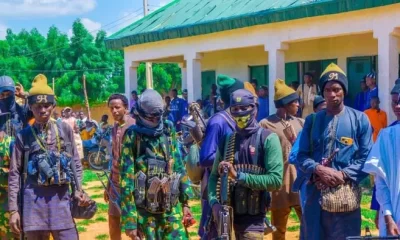
The resilience of local communities, however, offers a glimmer of hope. Despite the immense challenges, many residents of Borno have shown remarkable courage and determination. Community vigilante groups, local leaders, and civil society organizations have played important roles in supporting security efforts and assisting displaced populations. Their contributions highlight the importance of involving local actors in any sustainable solution to the crisis.
Ultimately, the resurgence of insurgency in Borno State serves as a stark reminder that Nigeria’s security challenges are far from being resolved. The situation demands urgent and sustained attention, not only from the government but also from regional and international stakeholders. A holistic approach—combining military action with economic development, education, and community engagement—is essential for achieving lasting peace.
As the conflict continues, the people of Borno remain caught in a cycle of violence and uncertainty. Their plight underscores the need for renewed commitment, innovative strategies, and genuine political will. Until these elements are in place, the dream of a peaceful and stable northeastern Nigeria will remain elusive, and the war that many hoped was nearing its end will continue to cast a long shadow over the region.
Ochim Angela Odije is 200 Level Student From Mass Communication Department, University Of Maiduguri.