Africa
Say No To Ethnicism: Combating hate, intolerance, and discrimination against Africans by Africans in Africa -By Leo Igwe
The UN should robustly support the Say No To Ethnicism initiative as a part of the Say NO To Racism campaign. UN agencies should realize that the Say NO To Racism campaign speaks to the situation in Western countries, and discrimination against Black people and Africans in Europe and America. But the Say No To Ethnicism campaign speaks to the situation in Africa, within Africa, and amongst Africans. Say No To Ethnicism addresses the African specifics in the anti-racism campaign and provides the missing links in the efforts to combat racial hatred, prejudice, and discrimination worldwide.


The Say No To Racism campaign has overwhelmingly focused on the West, emphasizing prejudice and discrimination against Blacks or Africans living in Europe and America, and in some cases, Africans in Asia and Australia. The campaign has used educational initiatives, community engagements, and efforts to raise awareness and promote action against racial discrimination in these places. Social media, sporting events, and cultural activities have drawn attention to xenophobic attacks, hate crimes, and other acts of intolerance that Africans suffer, or have suffered, in different parts of the world. Versions of this campaign, such as “FIFA says No To Racism”, “UEFA Says No To Racism”, “No Room for Racism”, “Monash Says No To Racism”, “Give Nothing To Racism” have been used to rally against hate, inequity, and exclusion.
The Say No To Racism campaign has created the impression that racial discrimination, xenophobia, and other intolerance happen mainly in the West; that racism is a Western issue or only a ‘crime’ by non-Africans, white Westerners, against Africans. The campaign seems to frame Africans as victims, and never as victimizers; as always at the receiving end of racial hate, prejudice, and disrespect.
Unfortunately, this is not the case. Racism and xenophobic attacks feature in other parts of the world, including Africa. Africans have been victims as well as villains. The Say No To Racism campaign has overlooked, ignored, or barely paid attention to acts of hate, intolerance, and discrimination against Africans by Africans in Africa. It has disregarded the rising tide of ethnicism and xenophobic politics/attacks in different parts of the region. African countries are multi ethnic and multicultural. In many African states, some ethnic groups are in the majority while others are in the minority. These ethnic communities have coexisted, and the constituents have intermarried for centuries and millennia. However, hate, prejudice, and discrimination are pervasive and feature in their relationships. Ethnic clashes and violence often erupt, resulting in unimaginable carnage and bloodshed.
Colonialism brought these ethnic communities together as states and countries. The quest to govern these states in post-colonial dispensation has revealed ethnic fault lines hampering growth, development, unity, peace, and progress. Ethnic apartheid has become entrenched and systemic. As in post-colonial African states such as Nigeria, Uganda, Ethiopia, Rwanda, Zimbabwe, ethnic hate, tension, division, and intolerance have been present, persistent, and pronounced in many aspects and forms. The Nigerian Civil War(1967), The Lord’s Resistance Army Insurgency (1987), Somali Civil War(1991),· Rwandan Genocide(1994), Eritrean-Ethiopian War(199), etc, exemplify tragic episodes of ethnic and xenophobic hate and intolerance.
Ethnicist behaviours, sentiments, and attitudes feature in everyday life and the interaction of Africans. Many Africans vote, marry, socialize, or do business along ethnic lines. In Nigeria, those from the majority ethnic groups deny people of other or minority ethnic groups the right to vote or be voted for. Politicians use ethnicity to mobilize votes and to further political opposition and propositions. During the 2023 presidential elections in Nigeria, some politicians in some parts of the country told Nigerians from other ethnic groups to go back to their regions to vote and be voted for. They described candidates with different or mixed ethnic roots and lineage as ‘strangers’ and ‘bastards’.
With the ethnic and xenophobic politics in the country, Nigerian citizens from certain ethnic groups cannot aspire to certain political posts and positions; they cannot become parliamentarians, governors, or presidents. Africans applaud and celebrate when persons of African origin are elected presidents, mayors, county or municipal heads in Europe or America. They denounce as racism any call for Africans or people of African descent to return to Africa to vote or be voted for. In many parts of the region, people are disenfranchised and discriminated against based on ethnicity.
In many parts of Africa, what prevails is not a democracy, a government of the people and by the people, but an ethnocracy, a government of a certain ethnic group or people, or better, a government of ethnic majorities. Africans see themselves as ethnizens, members of an ethnic city, not citizens, members of a city-state. They assume that the power of citizenship is drawn not from the state constitution but from ethnic constituency and affiliation.
In many countries, Africans deny ethnic others their rights and liberties. They exclude and oppress minorities and treat them with indignity and disrespect. Africans use ethnic stereotypes to make sense of the perception and representation of others. Ethnic sentiments influence policy debates, formulations, and implementation. Africans judge and impose sanctions and punishments for any real or imagined misdeed of a person, or persons, on others who belong to the same ethnic group. Many Africans have no qualms about attacking or killing innocent members of an ethnic group in revenge for some attack or killing by perceived members of that ethnic group in some place.
In Nigeria, people see themselves more as indigenes and strangers than citizens and use this distinction to oppress, hate, exclude, or discriminate against each other. Many Nigerians are denied employment or admission into football teams, schools, universities, and colleges because of their ethnic identity. They are denied justice in courts and refused enlistment into the military, police, and other state agencies due to their real or imagined ethnic background. Simply put, in many African countries, ethnic others are treated as second-class citizens beyond their regions. Ethnic discrimination has hampered the flourishing of Africans in Africa, including the progressive evolution of African states and democracies. Ethnicism is incompatible with the ideals of pan Africanism. Xenophobic attacks negate the concept of Ubuntu, the ideas of common paternity, fraternity, and maternity, and other cognates of African humanism.
It has become pertinent that Africans effectively combat ethnicism and intolerance. While it is important for Africans, especially those in the West, to call out racism in Europe and America, it has become more urgent for Africans in Africa and overseas to stand up against ethnic discrimination and bigotry in the region. Africans should not expect the West to get rid of racism, while ethnic hate and xenophobic politics rage on the continent. Africans should not only complain or rally against racism in Europe, they need to fight and mobilize against ethnic prejudice and discrimination by Africans against Africans in Africa. They must say a categorical NO to intolerance and celebrate the beauty, spice, and strength in ethnic diversity. Africans should highlight manifestations of xenophobic attacks and the harmful impact of discrimination, and promote equality and inclusion. The people of Africa should strive to raise awareness and promote action against ethnic oppression and encourage dialogue about discriminatory practices in the region.
Africans need to put in place initiatives that oppose, expose, and challenge ethnocentric behaviors, stereotypes, and attitudes. They should use the hashtag #SayNoToEthnicism to highlight discriminatory practices and experiences in various countries. African countries and institutions should Say No To Ethnicism and Xenophobia. The African Union and member states should sit up and rise to the challenge of combating ‘racism’ in Africa. They should organize special events to address the problem of ethnicism and other intolerance. ECOWAS, SADC, the Confederation of African Football, African Commission on Human and Peoples’ Rights, National Human Rights Institutions, and other regional agencies should to sign up to the Say No To Ethnicism campaign and work to realize a more inclusive and equitable society where every African, despite the ethnic background or identity, is treated with dignity and respect.
The UN should robustly support the Say No To Ethnicism initiative as a part of the Say NO To Racism campaign. UN agencies should realize that the Say NO To Racism campaign speaks to the situation in Western countries, and discrimination against Black people and Africans in Europe and America. But the Say No To Ethnicism campaign speaks to the situation in Africa, within Africa, and amongst Africans. Say No To Ethnicism addresses the African specifics in the anti-racism campaign and provides the missing links in the efforts to combat racial hatred, prejudice, and discrimination worldwide.
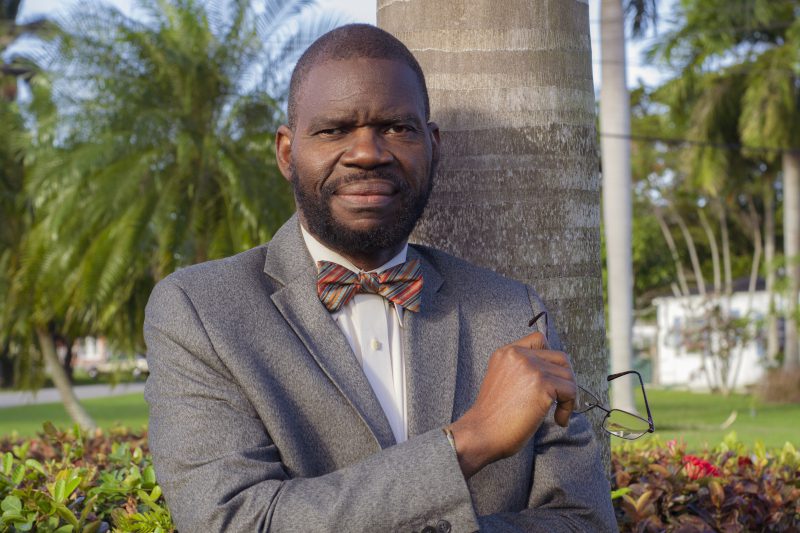
Leo Igwe is a board member of the Humanist Association of Nigeria and Humanists International, UK.