Africa
Sustainable Macroeconomic Stability; A New Era Of Transparency And Confidence -By Isah Aliyu Chiroma
The recent IMF and World Bank meetings highlighted the indispensable nature of global collaboration in confronting the multifaceted economic challenges facing the world today. As nations navigate the post-pandemic landscape, the lessons learned from such dialogues can pave the way for a more resilient and sustainable global economy. For Nigeria, these discussions provide a significant opportunity to redefine its economic narrative, inviting investment while striving for inclusivity and transparency.

The recent International Monetary Fund (IMF) and World Bank Group (WBG) Spring Meetings brought to the forefront the pressing need for global cooperation in navigating an increasingly complex economic landscape. These annual meetings serve as a pivotal platform for member countries to discuss strategies addressing various economic challenges, including inflation, trade imbalances, and sustainable development goals. As nations navigate the fallout from the COVID-19 pandemic, geopolitical tensions, and climate change, the focus has shifted toward fostering economic resilience and solidarity. This year, the meetings between IMF and WBG, which commences on Monday, April 21st, 2025 underscored the significance of collective action in achieving not just financial stability but also fostering a sound recovery that aligns with the broader objective of sustainable growth.
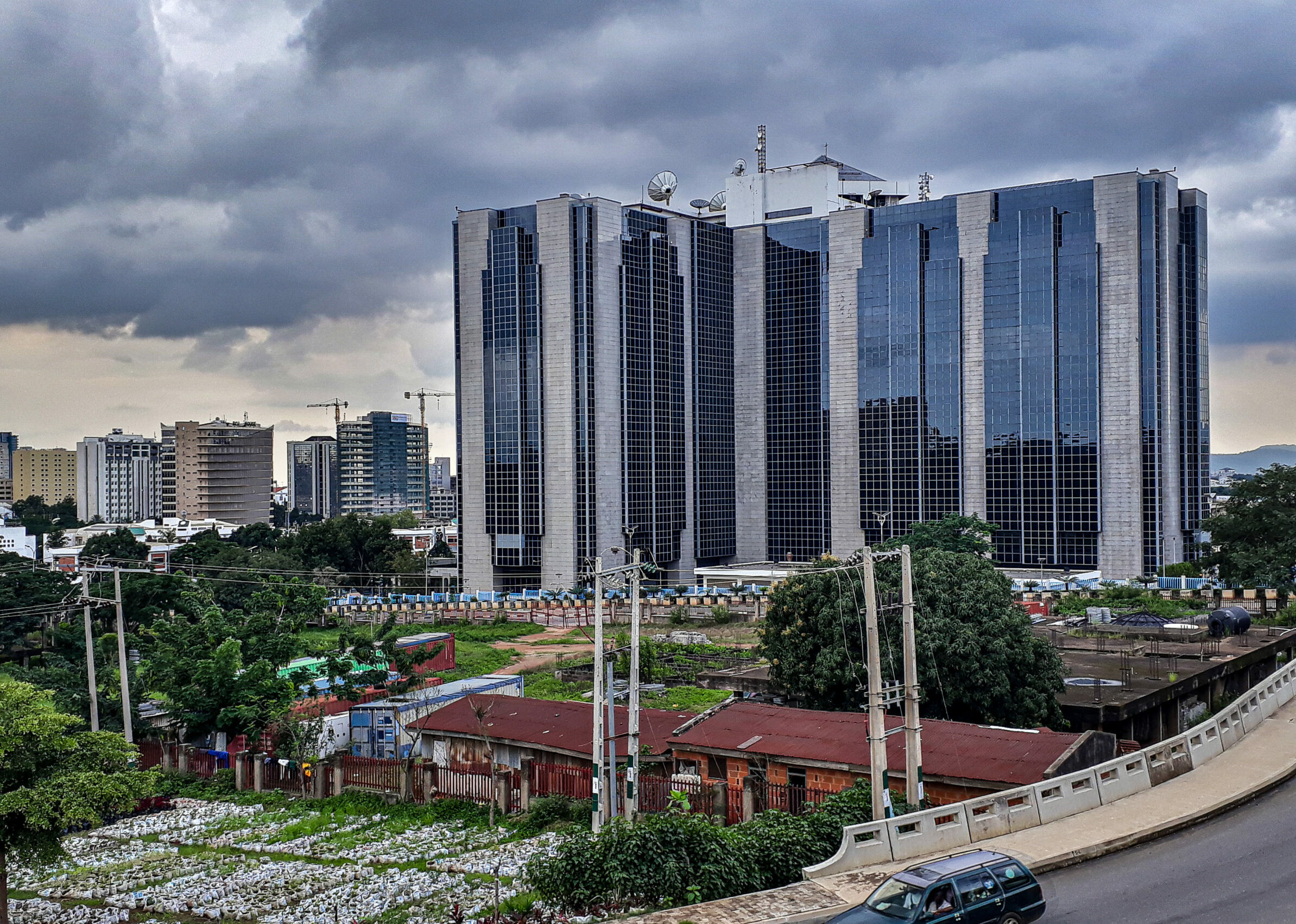
In the lead-up to these critical discussions, the Central Bank of Nigeria (CBN) proactively engaged with key stakeholders through a financial dialogue aimed at addressing Nigeria’s investment agenda and macroeconomic prospects. The involvement of significant financial institutions, including JP Morgan, Africa Private Capital Association (AVCA) and the Nigerian Exchange Group (NGX), highlights the underlying ambition of Nigeria to elevate its economic standing on the global stage. Nigeria, as Africa’s largest economy, plays a vital role in the continent’s overall financial health, and its proactive stance signifies a commitment to attracting foreign investments and enhancing its financial systems.
During these discussions, CBN Governor Olayemi Cardoso provided a comprehensive reform strategy, which includes monetary tightening, foreign exchange market transparency, enhanced financial government and overview of Nigeria’s economic circumstances, wherein he emphasized the necessity of transparency and building confidence among investors. The backdrop of high inflation rates and challenges in fiscal management necessitated a frank dialogue about the country’s economic reforms. Cardoso underscored the CBN’s commitment to ensuring a stable currency and fostering a conducive environment for business growth, aiming to bolster investor confidence in an era fraught with uncertainty.
At the IMF-WBG meetings, the broader implications of Nigeria’s strategies were discussed in conjunction with global trends. The emphasis on collaborative frameworks to tackle inflationary pressures, particularly those stemming from supply chain disruptions and energy price volatility, resonated with participants. Countries shared insights about the various fiscal measures adopted to cushion their economies against external shocks, showing willingness to learn from each other’s experiences. This collaborative effort exemplified a shift from isolated national policies to a unified approach, which is essential in an interconnected world where challenges often transcend borders.
The theme of the discussion was “The Nigeria Investment Agenda: Pathways for Growth & Global Partnerships,” which convened global investors, diaspora leaders, and senior financial stakeholders to examine Nigeria’s macroeconomic prospects and ongoing reform progress. There was a collective acknowledgment that as nations strive for recovery, it remains crucial to address the disparities magnified by the pandemic. Developing countries, in particular, face significant hurdles due to limited access to capital and technology, making it imperative for established economies to provide tangible support. Capacity building, technology transfer, and increased market access are essential components in ensuring that developing nations can fully participate in the global economy. The engagements at the meetings reaffirmed the commitment to sustainable development as central to achieving long-term economic goals.
Moreover, the meetings spotlighted the role of digital transformation as a catalyst for economic growth. As the world becomes more digitized, the opportunity for emerging markets like Nigeria to leapfrog traditional development stages is apparent. Discussions around financial inclusion, driven by digital technologies, brought attention to how mobile banking and fintech innovations can improve access to financial services for underserved populations. This is particularly pertinent in Nigeria, where a significant portion of the population remains unbanked. Harnessing technology can not only contribute to economic empowerment but also serves as a pathway for more equitable growth.
The IMF and World Bank meetings also addressed the necessary role of public-private partnerships in driving economic development. Governments alone cannot navigate the complexities of today’s economic challenges; thus, fostering an environment where the private sector can thrive is crucial. The dialogue reinforced the idea that collaboration between public institutions and private enterprises yields innovative solutions to persistent problems, such as infrastructure deficits and job creation. Nigeria’s ongoing efforts to enhance its business environment demonstrate an understanding that attracting foreign direct investment requires creating a landscape that is both competitive and resilient.
For Nigeria, the outcomes of the IMF-WBG meetings represent a crucial juncture for laying the groundwork for future economic policies. The insights garnered from discussions with global counterparts align with the CBN’s strategic initiatives aimed at stabilizing the economy. Moving forward, it will be essential for Nigeria to translate these dialogues into actionable steps that deliver tangible results for its citizens. This includes a renewed focus on fiscal discipline, transparent governance, and a commitment to improving the investment climate.
The recent IMF and World Bank meetings highlighted the indispensable nature of global collaboration in confronting the multifaceted economic challenges facing the world today. As nations navigate the post-pandemic landscape, the lessons learned from such dialogues can pave the way for a more resilient and sustainable global economy. For Nigeria, these discussions provide a significant opportunity to redefine its economic narrative, inviting investment while striving for inclusivity and transparency. The path ahead requires continued engagement with international partners, leveraging insights from the global financial community, and steadfast commitment to the principles that facilitate economic growth. Through such concerted efforts, Nigeria can aspire to fulfil its potential as a leading economic force in Africa and beyond.