


The Nigeria Tax Act 2025 and companion statutes, effective January 1, 2026, consolidate Nigeria's tax regime to enhance efficiency, transparency, and accountability—offering SMEs exemptions from CIT...
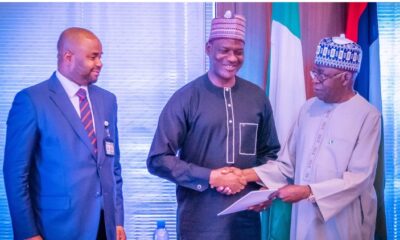

If the government is serious about improving voluntary compliance, it must go beyond policy announcements. Hence, must demonstrate transparent use of tax revenues, strengthen oversight institutions,...
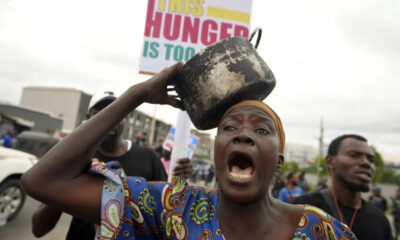

But resilience should not be mistaken for comfort. The hardship is real, and it is deep. Until economic reforms bring relief to the streets and food...
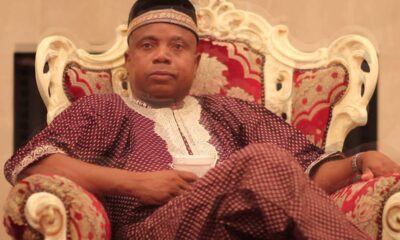

In a normal democracy, taxation without representation should never be tolerated. They must be voted out of office. We have a responsibility and duty to use...
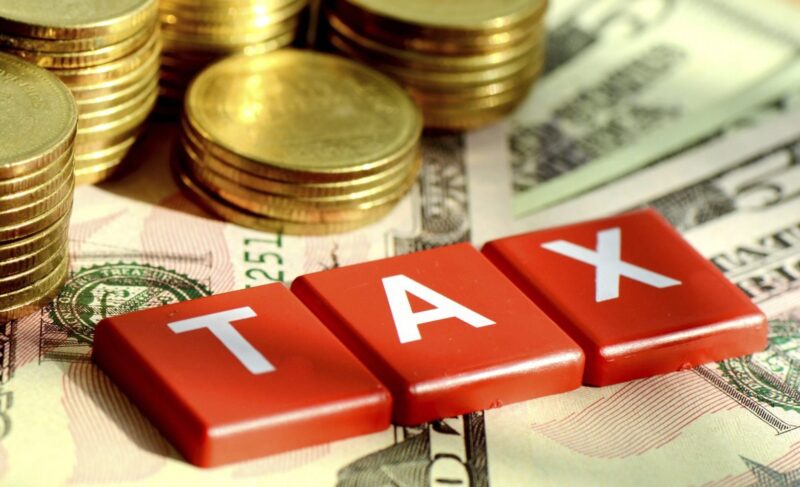
Tax law implementation in Nigeria is not just about collecting revenue; it is about building a system that citizens trust, understand, and willingly support. When well...

Beyond domestic funding, there is also a strong case for international collaboration. Foreign donor agencies such as UKAid, the European Union (EU), the African Union (AU),...

I must state without equivocation that the Nigeria Tax Reform Bill will not have any salutary effects on the economy despite proposing modest reduction in tax...
The tax reforms, among other things, introduce a redefinition of the term Nigerian company, expand tax exemptions, and implement stricter compliance mechanisms. While these changes are...
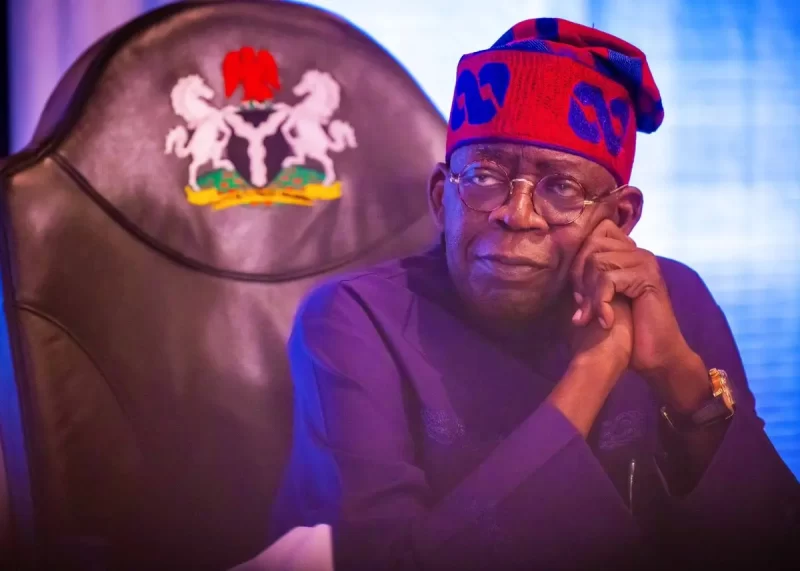
Ultimately, borrowing itself is not the problem; the real danger lies in reckless and unproductive borrowing. If Nigeria fails to manage its rising debt wisely, the...
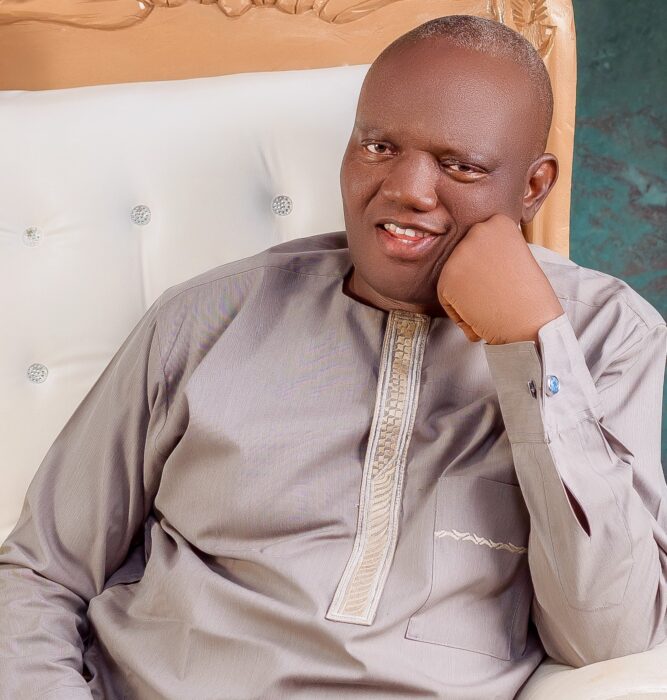
The military, in an attempt to gain cheap popularity and acceptance, simply relegated taxation to the back-burner. This is hardly surprising, since authoritarian rule is at...

Chelsea keep Enzo Fernandez out of the squad vs Man City after comments about Real Madrid, despite his apology to...

Delta North rulers pass vote of confidence in Oborevwori, urge Okowa to run for Senate in 2027 over his governance...


Vance cautions Iran to negotiate in good faith as US-Iran talks begin in Pakistan, with tensions lingering over ceasefire violations...


Immigration Service begins probe into extortion allegations at Seme border, suspending top officers and urging public to report misconduct.

Police say a viral video claiming a terror attack in Abuja is false and misleading. A suspect has been arrested...
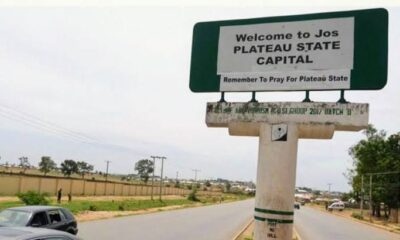

Eight persons have been confirmed dead following a late-night attack on Mbwelle village in Plateau State, residents say.
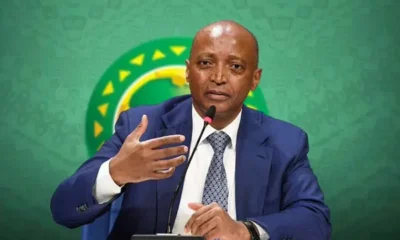

Motsepe denies corruption allegations as Senegal challenges CAF’s decision to strip them of the AFCON title and award it to...
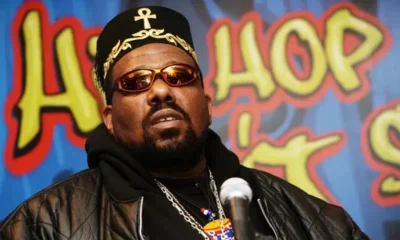

Afrika Bambaataa is dead at 68. The iconic DJ and hip-hop innovator leaves behind a legacy that shaped modern music...
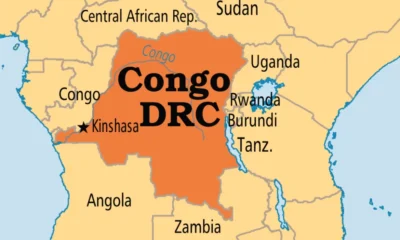

The Congo central bank has announced a ban on foreign currency cash transactions, allowing only electronic use from 2027.

Mbappé tops the UCL scoring chart with 14 goals, with Kane on 11 and Gordon on 10 as the Golden...


Burna Boy’s songs have been removed from DJ playlists across Nigeria after an alleged altercation with DJ Tunez. Here’s what...

The World Bank says higher oil prices could significantly impact Nigeria’s economy, adding pressure on inflation through fuel, logistics, and...
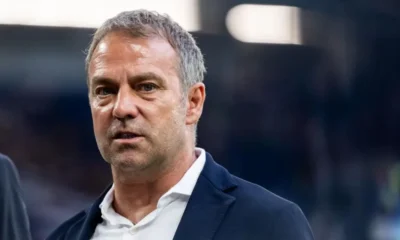

Hansi Flick explains Yamal’s reaction, insisting the 18-year-old is still learning ahead of Barcelona’s Champions League tie.
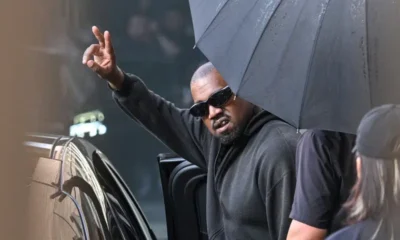

UK blocks Kanye West from entering the country, forcing organisers to cancel the Wireless Festival and issue refunds to ticket...
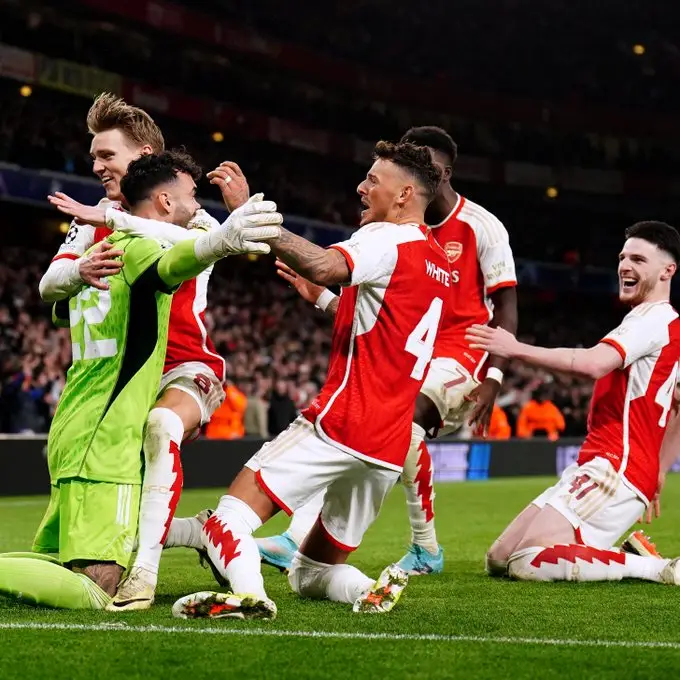
Arsenal take on Sporting in Lisbon as they seek redemption in Europe after a dip in form and several key...
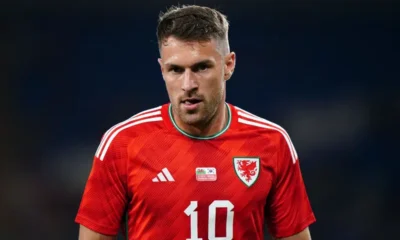

Ex-Arsenal and Wales midfielder Aaron Ramsey retires after struggling with injuries, concluding a career spanning top European clubs and international...
Mikel Arteta calls for resilience as Arsenal take on Sporting after back-to-back losses in domestic competitions.
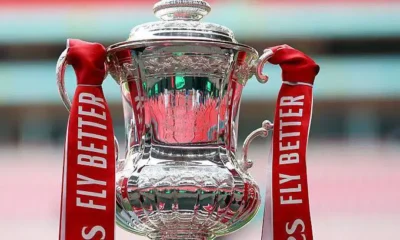

FA Cup semi-finals are set, with Chelsea vs Leeds and Man City vs Southampton after dramatic quarter-final results.
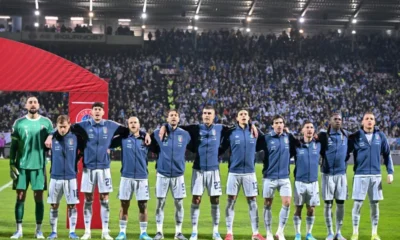

After Italy’s World Cup exit, Canada launches a jersey swap campaign in Toronto to rally Italian-Canadian fans behind the hosts.