Forgotten Dairies
The Cancerous Metamorphosis Of Blessing CEO: From Celebrity To “Yeyebrity” -By Isaac Asabor
Her story is not just about one individual’s deception; it reflects the vulnerabilities of our digital society, where empathy can be manipulated and trust easily betrayed. As the dust settles, one truth remains: Blessing CEO’s name will now be remembered not for inspiration or influence, but as a symbol of fraudulent fame.

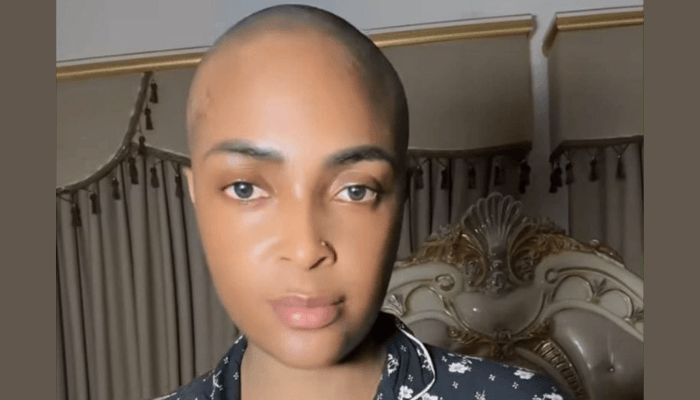
In the ever-evolving world of social media, where fame is often measured in followers and influence in likes, authenticity has become a rare commodity. The saga of Blessing Okoro, popularly known as Blessing CEO, is a stark reminder of how quickly the pursuit of attention can morph into deception. Her now-discredited claim of battling stage four breast cancer has not only shattered public trust but has also transformed her from a self-styled celebrity into what Nigerians aptly call a “Yeyebrity” , a pseudo-celebrity whose notoriety thrives on lies, drama, and manipulation.
On March 25, 2025, Blessing CEO posted a tearful video announcing she had been diagnosed with stage four breast cancer. In a dramatic gesture, she shaved her head, symbolizing the struggles of chemotherapy patients, and appealed for donations to fund her treatment. Nigerians, known for their empathy and communal spirit, rallied around her. Within days, she raised at least N13 million, with prominent figures contributing generously.
But as the donations grew, so did the doubts. Her inability to provide coherent answers during an Instagram Live session with Daddy Freeze raised eyebrows. The inconsistencies in her narrative began to unravel, and suspicion mounted.
The turning point came when the Delta State branch of the Nigerian Medical Association (NMA) publicly disowned the medical report Blessing CEO circulated online. According to the NMA, the histology report she presented was not hers but belonged to another patient, Mbara Deborah.
The report, originally issued by Xinus Medical Diagnostics in Asaba, had been altered to bear Blessing’s name. The NMA’s statement, signed by its chairman, Israel Adaigho, and secretary, Usamah Hannah, made it clear: Xinus Medical Diagnostics never issued any report to Blessing Okoro. The facility’s proprietor, Dr. O.A. Odigwe, confirmed that the original report was for Deborah, who had undergone a confirmatory breast cancer test in May 2025.
The law firm Allen Juris Law later released the authentic version of the report online, further exposing the forgery. This revelation was damning, making it clear that Blessing CEO’s cancer claim was a calculated and deliberate act of deception.
The fallout was swift. Public sympathy turned into outrage, with calls for her arrest growing louder. Actress Georgina Onuoha demanded accountability, while businessman Alafaa Kariboye-Igbo (Oil Money) sought a refund of N20 million he donated
Blessing CEO’s attempt to downplay the scandal, claiming she might have misunderstood her doctor and insisting she owed no one an apology, only deepened the perception that she was unrepentant. Her refusal to acknowledge the harm caused to genuine cancer patients and donors cemented her transformation from celebrity to “Yeyebrity.”
A true celebrity earns recognition through talent, hard work, or genuine influence. A “Yeyebrity,” however, thrives on controversy, deceit, and cheap publicity. Blessing CEO’s actions firmly place her in the latter category. By exploiting the pain of cancer patients for financial gain and attention, she has forfeited any claim to authentic celebrity status.
Her actions trivialize the suffering of real cancer patients who endure painful treatments, financial hardship, and emotional trauma. By faking such a diagnosis, she weaponized empathy for personal gain, undermining the credibility of genuine fundraising efforts.
Moreover, the forgery of medical documents is a criminal offense. It erodes confidence in the healthcare system and disrespects the integrity of medical professionals. The NMA’s intervention was necessary to protect both the profession’s reputation and the public from exploitation.
Blessing CEO’s saga reflects a broader phenomenon in the digital age: individuals manufacturing crises or victimhood to remain relevant. For a “Yeyebrity,” notoriety is as valuable as fame. Scandals, even negative ones, keep them in the public eye.
Her cancer claim was a calculated move to elicit sympathy, secure financial support, and reinforce her relevance in a crowded influencer space. But the gambling backfired. Instead of cementing her status as a resilient figure battling adversity, she has been exposed as manipulative and dishonest.
The Blessing CEO scandal offers sobering lessons for the public: people should always verify before donating, as emotional appeals should never override proper due diligence; they must also be cautious of so-called “Yeyebrities,” recognizing that not all influencers are trustworthy; it is safer to support credible institutions, since donating to reputable organizations reduces the risk of fraud; and finally, there should be a strong demand for accountability, ensuring that public figures who exploit empathy are held responsible for their actions.
Blessing CEO’s cancerous lies have stripped her of credibility and exposed the dark side of influencer culture. By forging medical documents and exploiting public goodwill, she has transitioned from celebrity to “Yeyebrity”, a cautionary tale of fraudulent fame.
Her story is not just about one individual’s deception; it reflects the vulnerabilities of our digital society, where empathy can be manipulated and trust easily betrayed. As the dust settles, one truth remains: Blessing CEO’s name will now be remembered not for inspiration or influence, but as a symbol of fraudulent fame.
In the end, she has shown that while anyone can chase celebrity status in the age of social media, only authenticity can sustain it. No matter how dramatic, falsehoods inevitably collapse under the weight of truth. For Blessing CEO, that collapse has been complete, stripping away the cloak of celebrity and replacing it with the label of a “Yeyebrity.”