Education
The Crumbling Pillar: Why Nigeria’s Education System Must Be Saved -By Jepson Pwamaddeino
Perhaps the most alarming factor is the rising insecurity. With the recent kidnappings of hundreds of students and the indefinite closure of higher institutions in states like Kebbi and Bauchi, the “mind” of the Nigerian student is under siege. How can a child learn when they are paralyzed by the fear of being attacked or abducted?

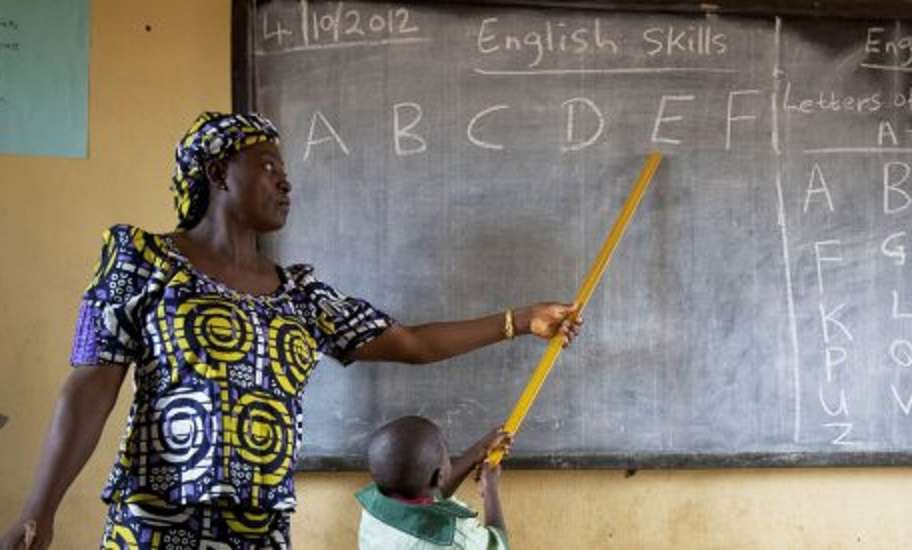
Education is the pillar of every developing and developed nation; it is the very heart of modernization. As Nelson Mandela famously said, “Education is the most powerful weapon which you can use to change the world,” and “Education can contribute to building and reconciliation.” Since education is such a vital asset for national growth, we must ask ourselves: why are we allowing this “weapon” to rust?
Our history reminds us of the power of learning. The movement for Nigeria’s independence was led by the educated elite. It was through their education that they gained the wisdom and strategy to fight for freedom using democratic methods. Imagine what Nigeria would look like today if our forefathers had not used that intellectual foundation to secure our liberty.
Tragically, the same system that produced our national heroes is now crashing down. The foundation of our independence is falling, and the reasons are clear.
The Crisis of Funding and Corruption
The primary culprit is inadequate funding and systemic corruption. As of early 2025, the Federal Government has a proposal of allocation worth approximately 3.52 trillion Naira to the sector according to (ICIR) . However, there is little evidence of this investment on the ground. Students across the country still study in dilapidated classrooms, lack access to clean water, and attend schools without functional libraries or laboratories. Boarding students often live in hostels unfit for human habitation. Where has the money gone?
The Decline of Quality Instruction
Secondly, there is a severe deficiency in qualified teachers and essential materials. Even where teachers are available, morale is at an all-time low due to poor and delayed salaries. This neglect often leads to the employment of incompetent staff, which creates a vicious cycle: uninspired teachers produce uninspired, ill-mannered, and incompetent graduates. When a course that should be taught in SS1 is delayed until the first term of SS3, we cannot expect our students to compete globally. This level of neglect is leading the country toward a bleak future.
The Shadow of Insecurity
Perhaps the most alarming factor is the rising insecurity. With the recent kidnappings of hundreds of students and the indefinite closure of higher institutions in states like Kebbi and Bauchi, the “mind” of the Nigerian student is under siege. How can a child learn when they are paralyzed by the fear of being attacked or abducted?
A Call to Action
If the government does not prioritize security and academic integrity, Nigeria risks becoming a nation without the essential skills needed for a competitive world. We face a future devoid of technological and scientific development. We must protect our education system today, or we risk losing the soul of our nation tomorrow.