Africa
The Dangers of Excessive Borrowing: How Nigeria’s Rising Debt Threatens Its Future -By Alameen Alhassan
Ultimately, borrowing itself is not the problem; the real danger lies in reckless and unproductive borrowing. If Nigeria fails to manage its rising debt wisely, the consequences could include long-term economic instability and reduced living standards. However, with accountability, prudent planning, and sustainable economic policies, the country can avoid these dangers and secure a more stable future for its people.

In recent years, Nigeria has increasingly relied on borrowing as a major tool to fund its national budget, infrastructure projects, and public expenditures. While borrowing can support development when carefully planned, excessive and poorly managed debt has become a serious threat to Nigeria’s economic stability. The country’s rising debt profile raises concerns about sustainability, governance, and the future wellbeing of its citizens.
One major danger of excessive borrowing is the growing debt servicing burden. Nigeria now spends a significant portion of its revenue on repaying loans and interest. For example, recent budget reports have shown that a large share of government income is used to service debt, leaving limited funds for education, healthcare, security, and poverty alleviation programs. When classrooms lack basic facilities and hospitals remain under-equipped, yet billions are spent on loan repayments, the negative impact of debt becomes clear.
Another critical consequence is economic vulnerability, especially due to foreign borrowing. Many of Nigeria’s loans are denominated in foreign currencies such as the US dollar. When the naira depreciates, the cost of repaying these loans automatically increases. For instance, the sharp fall in the value of the naira in recent years has made external debt repayment more expensive, contributing to inflation and a rising cost of living. Ordinary Nigerians feel this impact through higher prices of food, fuel, and essential goods.
Excessive borrowing also limits future development opportunities. Funds that should be used for building roads, supporting small businesses, or creating jobs are instead diverted to loan repayment. A clear example can be seen in abandoned or poorly executed projects across the country—projects that were funded through loans but failed to generate economic returns. Such situations leave the nation with debt but no meaningful development to justify it.
High debt levels further discourage foreign investment. Investors are often cautious about economies burdened by heavy debt, fearing policy instability and potential default. For example, multinational companies may hesitate to establish factories in Nigeria if they perceive economic uncertainty, leading to reduced job opportunities and slower industrial growth.
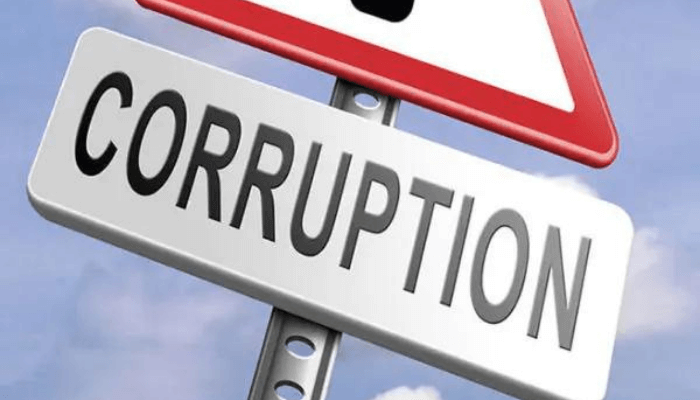
The problem is worsened by corruption and poor financial management. In some cases, borrowed funds are misused or diverted from their original purpose. Loans meant for infrastructure development may not result in completed roads, power projects, or modern transportation systems. This misuse of funds increases public debt without improving productivity, thereby weakening public trust in government institutions.
If Nigeria continues to borrow without strict fiscal discipline, the country risks falling into a debt trap. A debt trap occurs when a nation borrows new loans mainly to repay old ones, creating a cycle of dependency. Countries facing such situations often experience economic stagnation, reduced policy independence, and increasing hardship for citizens, including higher unemployment and reduced social services.
To prevent this outcome, Nigeria must adopt responsible borrowing practices. Government should focus on expanding internally generated revenue, improving tax efficiency, reducing wasteful spending, and ensuring transparency in the use of public funds. Borrowed money should be invested only in productive sectors such as power, agriculture, and manufacturing—sectors capable of generating revenue and repaying the loans over time.
Ultimately, borrowing itself is not the problem; the real danger lies in reckless and unproductive borrowing. If Nigeria fails to manage its rising debt wisely, the consequences could include long-term economic instability and reduced living standards. However, with accountability, prudent planning, and sustainable economic policies, the country can avoid these dangers and secure a more stable future for its people.
Thank you for consideration.
Alameen Alhassan
08144562767
alaminalhassa2005@gmail.com