Africa
The Future Of Education In Nigeria After ASUU Strikes, by Cynthia Arewa

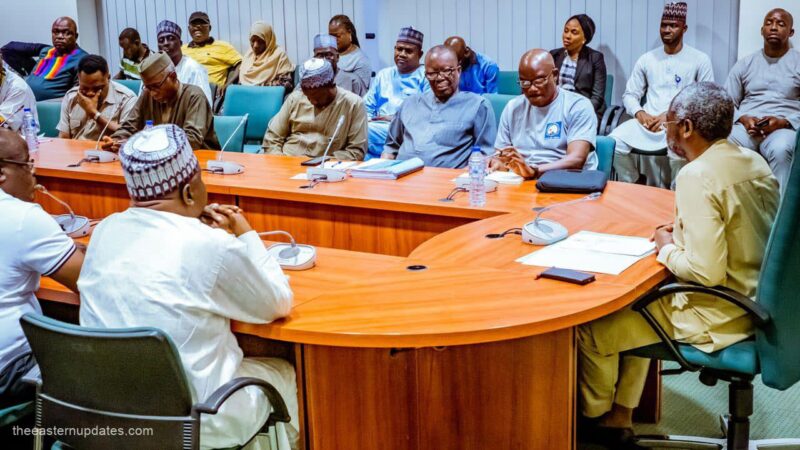
Education in Nigeria, particularly at the tertiary level, has endured numerous challenges, with prolonged strikes by the Academic Staff Union of Universities (ASUU) being one of the most contentious issues. These strikes, often triggered by disputes over funding, salaries, and infrastructure, have disrupted academic calendars, leaving millions of students in limbo. As Nigeria attempts to rebuild its educational system post-strike, questions about the future of higher education remain pressing.
For decades, ASUU strikes have been a recurring feature of Nigeria’s educational landscape. The most recent strike, which spanned over eight months in 2022, was one of the longest in the country’s history. Students lost valuable academic time, parents bore additional financial burdens, and the reputation of Nigeria’s universities suffered on the global stage.
At the heart of the ASUU-government standoff lies the issue of inadequate funding for universities. Many Nigerian public universities operate with outdated infrastructure, insufficient classrooms, and inadequate learning materials. Lecturers, tasked with educating the nation’s youth, often complain of poor remuneration and working conditions, making it difficult to attract and retain talented educators. Despite numerous agreements between ASUU and successive governments, implementation has been inconsistent, fueling mistrust.
In addition to funding, the lack of autonomy in Nigerian universities has been a contentious issue. ASUU has repeatedly called for greater institutional independence, arguing that bureaucracy stifles innovation and growth. Conversely, government officials often cite budget constraints and competing national priorities as barriers to fulfilling ASUU’s demands.
The frequent strikes have left an indelible mark on Nigeria’s education system. Students have faced prolonged stays in universities, often extending courses meant to last four years into five or six years. Many have become frustrated, leading to a rise in emigration among students seeking stable and uninterrupted education abroad. For those unable to afford foreign education, strikes often lead to a loss of motivation, increased unemployment, and even involvement in social vices.
The credibility of Nigerian degrees has also taken a hit. Employers often question the competence of graduates from a system plagued by disruptions. In global rankings, Nigerian universities struggle to compete with their counterparts in other African countries like South Africa, Ghana, and Kenya, where academic calendars are stable.
Rebuilding trust between ASUU, the government, and stakeholders is essential for the future of education in Nigeria. One possible solution is the establishment of a legally binding framework for resolving disputes. Such a mechanism would ensure that agreements are honored and provide a platform for ongoing dialogue to prevent future strikes.
Funding remains a critical issue. The government must prioritize education in its budget allocations, committing to the UNESCO recommendation of 15–20% of national budgets for education. Beyond government funding, universities should explore alternative revenue streams, including partnerships with the private sector, research grants, and alumni contributions.
Technological integration is another avenue for improvement. The COVID-19 pandemic highlighted the potential of e-learning, but Nigeria’s public universities are yet to fully embrace this trend. Investing in digital infrastructure could help mitigate the effects of future disruptions while improving access to education for students in remote areas.
Finally, empowering students to play an active role in decision-making processes is vital. Student unions and advocacy groups can serve as bridges between universities and policymakers, ensuring that reforms are student-centered and address the challenges they face.
The ASUU strikes have exposed deep-seated issues in Nigeria’s education system, but they also present an opportunity for reform. By addressing the root causes of these disruptions—funding, autonomy, and infrastructure—Nigeria can create a more resilient and competitive higher education system. The path forward requires collaboration, accountability, and a shared commitment to the future of Nigeria’s youth. Only then can the nation’s universities fulfill their potential as engines of innovation, development, and social mobility.
Cynthia Arewa a 300 level student from Mass Communication Department University of Maiduguri.