Africa
The High Cost of Burial Honour: Inside the Multi-Billion-Naira Funeral Economy of Igboland -By Daniel Nduka Okonkwo
Authorities in Anambra State, for example, have introduced measures to restrict excessive spending, including limiting billboard displays and requiring official registration of funeral ceremonies.

In a region where life expectancy remains relatively low and economic hardship persists, the financial weight of burial traditions raises difficult questions about culture, dignity, and responsibility.
These multi-billion-naira burial rites are entangled in the competing demands of relatives, the church, and traditional customs. Such pressures often prevent the bereaved from honouring the deceased in a simple, dignified manner, forcing them instead to yield to burdens that deepen their suffering.
In many parts of the world, funerals are solemn occasions defined by grief, remembrance, and closure. In Igboland, southeastern Nigeria, there are often elaborate cultural events that can cost families millions of naira and reshape their financial future for years.
Among the Igbo people, death is not seen as an end. It is a transition. It is not a full stop, but a comma. This worldview underpins a deeply rooted burial tradition known as Ikwa Ozu, the rites performed to ensure the deceased’s proper passage into the ancestral realm. For many, becoming an ancestor is considered the ultimate fulfilment of life’s journey, and this status is believed to depend on receiving a befitting burial.
Over time, however, what were once simple rites of passage have evolved into some of the most elaborate and expensive burial ceremonies in the world, creating immense financial, emotional, and social burdens for bereaved families.
Estimates suggest that Igbo people spend between ₦800 billion and ₦1 trillion annually on burials. With a population exceeding 35 million in Nigeria and as many as 70 million worldwide, the scale of funeral-related expenditure is vast.
Igboland itself is one of Africa’s most densely populated regions, with between 140 and 390 inhabitants per square kilometre. Combined with Nigeria’s mortality rate of approximately 11.74 deaths per 1,000 people and a life expectancy estimated between 54 and 56 years, the number of funerals each year is significant.
Funeral costs begin even before burial preparations. Transporting a body from Lagos to the Southeast or other parts of Nigeria by road can cost between ₦500,000 and ₦1.5 million. Repatriating remains from overseas typically ranges from $5,000 to $20,000 or more.
Beyond transportation, expenses multiply rapidly. Burial budgets in many Igbo communities commonly start at ₦1 million. In numerous cases, families spend several million naira. For prominent individuals, costs can reach tens or even hundreds of millions. Some elite funerals have reportedly exceeded ₦250 million.
One of the defining features of Igbo funerals is the tradition of holding two ceremonies.
The first involves the immediate interment of the body. The second, often months later, is a larger and more elaborate ceremony designed to honour the deceased publicly.
Bodies are frequently kept in mortuaries for three to six months while families prepare. Mortuary fees accumulate, adding further financial strain.
Expenses often include:
Expensive caskets
Transport and logistics
Catering for large crowds
Hiring tents, chairs, and sound systems
Uniform clothing known as aso-ebi
Slaughtering cows and other livestock
Payments to kindred groups, age grades, and women’s associations
Renovating or building houses in the village
Printing banners and organising publicity
In some cases, professional mourners are hired to publicly express grief.
For many families, burial preparations resemble organising a large festival rather than a private farewell.
Cultural expectations and social pressure play a powerful role in driving costs.
Family members living in cities or abroad are often expected to return home and contribute financially. Relatives, community groups, and local associations may impose levies or customary payments before burial rites can proceed.
These demands sometimes come from the same people expected to provide emotional support.
Many bereaved families report that relatives, kindred groups, and village associations collaborate to impose financial obligations, turning mourning into negotiation.
In some churches, families must settle all outstanding dues, levies, or building contributions before funeral services can be conducted. These may include annual church funds, bazaar levies, or burial service fees.
Failure to pay can result in the clergy refusing to officiate.
This practice has drawn criticism, and some religious leaders have publicly opposed and banned such charges.
The consequences of these financial expectations can be severe.
Families often borrow heavily, sell land, liquidate savings, or incur long-term debt to finance funerals.
In extreme cases, burial expenses push families into lasting poverty.
The emotional burden is equally heavy. Instead of focusing on grief and healing, families must navigate financial negotiations, social expectations, and logistical planning.
The pressure to host a befitting burial often becomes a competition for prestige and social validation.
Ironically, many observers note that families who struggled to care for elderly relatives during their lifetime sometimes spend extravagantly after their death.
In response to the financial strain, some governments have attempted to regulate burial practices.
Authorities in Anambra State, for example, have introduced measures to restrict excessive spending, including limiting billboard displays and requiring official registration of funeral ceremonies.
These reforms aim to reduce financial pressure and encourage simpler funerals. However, enforcement remains difficult.
Many families continue to prioritise social expectations over regulations.
Despite the financial burden, burial ceremonies remain deeply important cultural events.
They reinforce family bonds, affirm cultural identity, and honour ancestors.
Funerals also stimulate local economies, providing income for caterers, transport operators, livestock sellers, tailors, musicians, and event planners.
In this sense, burial ceremonies function as a form of wealth redistribution within communities.
For many participants, the events are seen not as wasteful spending but as cultural investment.
Increasingly, however, voices within Igbo society are questioning the sustainability of these practices.
Critics argue that dignity in death should not require financial hardship for the living.
A proper burial, they say, is not defined by cost but by respect.
It can be simple, dignified, and meaningful without imposing economic suffering.
At its core, burial is about honouring life and providing closure.
Yet in many communities, the process has become entangled with social status, financial expectations, and cultural obligation.
For the Igbo, burial is more than the disposal of remains. It is a cultural statement about identity, belonging, and continuity between generations.
It reflects a belief that the dead remain part of the community.
But as funeral costs continue to rise, the question facing many families is no longer just how to honour their dead. It is how to survive the cost of doing so.
Financial ruin, many now argue, should not be the price of honour.
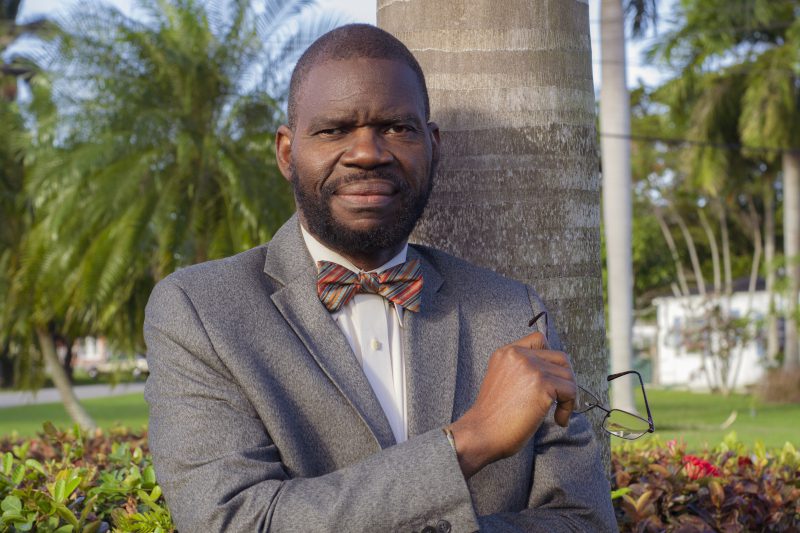
Daniel Nduka Okonkwo is a Nigerian investigative journalist, publisher of Profiles International Human Rights Advocate, and policy analyst whose work focuses on governance, institutional accountability, and political power. He is also a human rights activist. His reporting and analysis have appeared in Sahara Reporters, African Defence Forum, Daily Intel Newspapers, Opinion Nigeria, African Angle, and other international media platforms. He writes from Nigeria and can be reached at dan.okonkwo.73@gmail.com.