Politics
The Hunt For Truth: A Reminder For The Future -By Isa Salisu
On this International Women’s Day, Senator Natasha’s story serves as a stark reminder of the challenges women still face in their pursuit of leadership. Women make up nearly half of Nigeria’s population, yet they remain woefully underrepresented in government. In the last general election, only 3.6% of elected officials were women, one of the lowest rates in Africa. And even for those who make it into office, the battle is far from over. They are constantly forced to prove themselves, to defend their right to be there, to fight twice as hard for half the recognition.

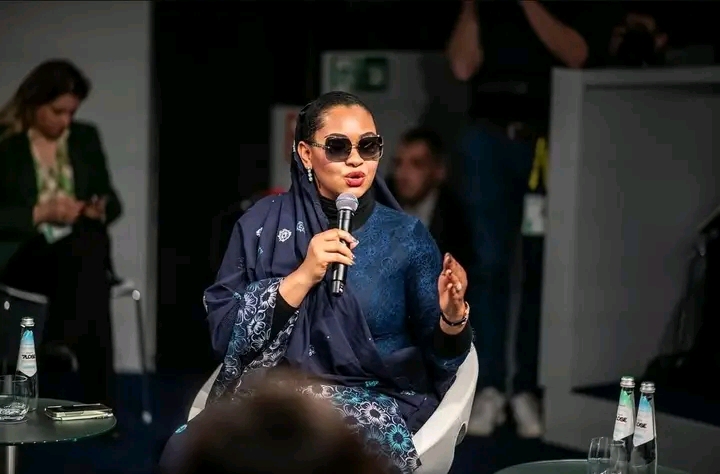
The time is now, yet, somehow, not now for Senator Natasha Akpoti Uduaghan. In the aftermath of her shocking suspension from the Senate, the heat is oppressive. She is trending, her name is on every news outlet, and her story has sparked debates across the country. Many thoughts arise from this, but one question stands out: How did she miss it? To me, it is difficult to witness women losing opportunities that could redefine the political landscape, opportunities that could serve as a stepping stone toward reshaping the system. Little by little, individuals like Natasha Akpoti Uduaghan are not just fighting for themselves; they are elevating the status of women across the country.
From advocating for justice to challenging the status quo, women in politics continue to show up for our country, our future, and our democratic system. But they still face immense barriers to representation. Most people will move on with their daily lives, but I ask: What does this mean for the future of women in Nigerian politics? Beyond the noise, beyond the politics, this fundamental question remains. Yet, the answers to these questions will not come easily, but one thing is clear: Natasha Akpoti-Uduaghan’s battle is no longer just hers. This is not just about Natasha Akpoti-Uduaghan. Her case is part of a larger, more troubling pattern, one where women in politics are constantly tested, undermined, and silenced.
Women in leadership have long been forced to navigate a system that was not designed for them. From discrimination in elections to sexist attacks in the media, the road is filled with obstacles.
We have seen it before. The withdrawal of Maryam Shetty’s ministerial nomination last year without explanation. The attacks on Aisha Yesufu for her activism. The countless women who have been pushed out of politics, not because they were not qualified, but because they dared to challenge a male-dominated space. Now, Senator Natasha’s case is yet another example on this growing list.”
According to a report by the National Democratic Institute (NDI), women in Nigerian politics frequently face harassment from both their male colleagues and the public. The report states: “Women who challenge the status quo are often subjected to smear campaigns, intimidation tactics, and, in some cases, outright violence.”
On this International Women’s Day, Senator Natasha’s story serves as a stark reminder of the challenges women still face in their pursuit of leadership. Women make up nearly half of Nigeria’s population, yet they remain woefully underrepresented in government. In the last general election, only 3.6% of elected officials were women, one of the lowest rates in Africa. And even for those who make it into office, the battle is far from over. They are constantly forced to prove themselves, to defend their right to be there, to fight twice as hard for half the recognition. As Dr. Ngozi Okonjo Iweala once said:
“When women are empowered, they uplift entire communities. But first, they must be allowed to lead.”
To conclude, this is not just about senator Natasha Akpoti Uduaghan. This is about every woman who has been silenced, every woman who has been told to stay in her place. On this day, we must remember that equality is not given, it is fought for. Senator Natasha’s story has shown that women will no longer be silent, that they will continue to fight, no matter the cost. Because, as the old African proverb says: “When you strike a woman, you strike a rock.” Senator Natasha has been struck, but she has not been broken. And neither will the movement she has ignited.