Middle East War
The Persian Shock: Why Middle East Tensions Still Reach Nigeria’s Fuel Pumps -By Dr. Olaleke Alao
The Persian shock is not an economic apocalypse for Nigeria. It is a reminder of exposure. A bomb in the Middle East does not automatically create fuel queues in Lagos anymore. That is progress. But a spike in Brent crude still travels through refinery input costs, through pump prices, through transport fares, and into the price of food. Nigeria has built a shield. It has not built a wall. The task now is not alarmism, it is steady management in a volatile world.

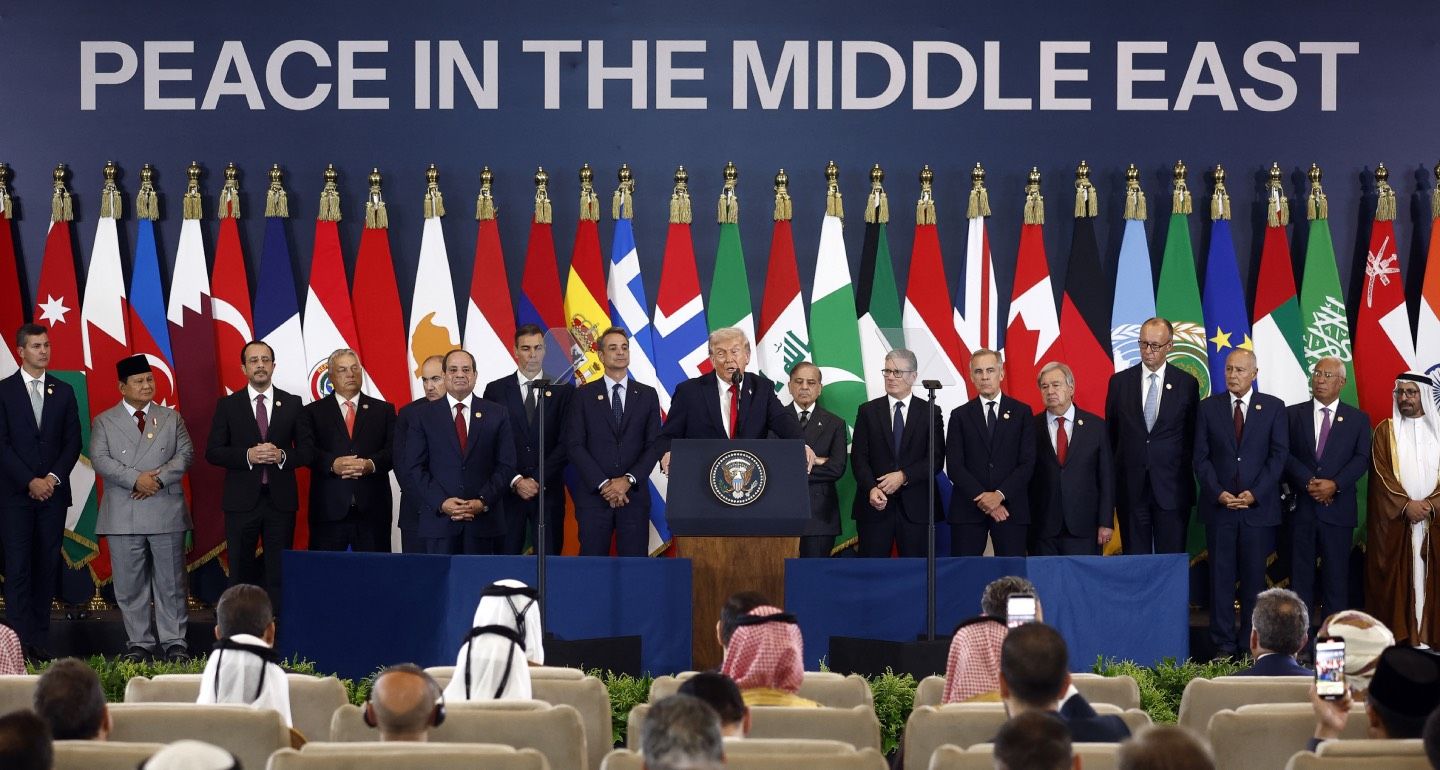
The escalating confrontation between Iran and the United States–Israel alliance has entered a dangerous phase. Airstrikes inside Iran, retaliatory drone activity, targeted attacks on diplomatic and military assets, and renewed Hezbollah tensions in Lebanon have heightened regional instability. But despite the intensity of the strikes, this is not yet a full multi-nation conventional war. Gulf states have largely remained defensive, intercepting threats rather than joining direct combat. The Strait of Hormuz remains open. Oil supply has not been halted. And yet, oil prices have risen. Brent crude briefly climbed toward the $80 per barrel range amid fears of possible disruption. Markets move on risk, not just reality. And when oil markets move, Nigeria feels it.
In previous Middle East crises, Nigeria faced a double vulnerability: we exported crude but imported nearly all our petrol. That equation has changed. The Dangote Refinery, with installed capacity of 650,000 barrels per day, has been ramping up production through 2025 and into early 2026. Reports indicate output of 40–50 million litres of PMS daily in recent months, significantly reducing Nigeria’s dependence on imported fuel. Modular refineries, including the Waltersmith Refinery, add modest but important supplementary capacity. This matters. It reduces the likelihood of physical scarcity. The “dry pump syndrome” that once defined oil shocks is far less likely today. But availability is not immunity.
Even when refined locally, crude is priced globally. The Nigerian National Petroleum Company Limited (NNPCL) has implemented a naira-for-crude framework to reduce forex strain in domestic transactions. That mechanism has helped ease dollar pressure and improve supply stability. However, global benchmarks still determine crude value. When Brent rises due to geopolitical risk, input costs rise accordingly. In early March, Dangote adjusted gantry prices upward, reportedly to around ₦874 per litre, reflecting the conflict-driven oil surge. Retail prices in parts of the country have edged toward ₦950 and, in some locations, near ₦1,000. This is the reality of global integration: even with local refining, Nigeria cannot detach from global price movements.
There is a double-edged dimension to rising oil prices. On one hand, higher crude prices can strengthen export earnings and foreign exchange inflows. For a country whose budget remains heavily oil-dependent, this can provide temporary fiscal relief.
On the other hand, Nigeria’s production remains below long-term targets. Export logistics remain sensitive to global maritime conditions. Domestic inflation accelerates when fuel prices rise. So while Brent at $80 improves theoretical revenue projections, it does not automatically translate into a fiscal windfall, especially in volatile markets.
Concerns about Nigerians working across Gulf economies are understandable, given the proximity of the conflict. However, there is currently no evidence of mass labour displacement or significant remittance collapse. Gulf states have absorbed the immediate shocks, and financial systems remain operational. It would be premature to frame remittances as being in crisis, though policymakers should monitor developments carefully.
The current tensions reveal something important, Nigeria’s refining progress has reduced vulnerability but not eliminated exposure. We are no longer structurally helpless. We are also not insulated. That distinction matters. The combination of local refining capacity, Naira-denominated crude transactions, reduced import bills has strengthened economic resilience. But global crude pricing, forex dynamics, and geopolitical risk premiums still shape domestic outcomes. In an interconnected oil market, no exporter is an island.
Rather than panic, the moment calls for disciplined management. Maintain stable crude allocation to local refiners. Avoid abrupt pricing signals that trigger panic buying. Continue strengthening forex buffers. Accelerate structural diversification beyond oil revenue. Nigeria has made measurable progress in energy self-reliance over the past two years. That progress should be acknowledged, not dismissed, even as we recognise its limits.
The Persian shock is not an economic apocalypse for Nigeria. It is a reminder of exposure. A bomb in the Middle East does not automatically create fuel queues in Lagos anymore. That is progress. But a spike in Brent crude still travels through refinery input costs, through pump prices, through transport fares, and into the price of food. Nigeria has built a shield. It has not built a wall. The task now is not alarmism, it is steady management in a volatile world.
Dr. Olaleke Alao
Secretary,
Centre for Convention on Democratic Integrity, Inc.,
Maryland, USA.