
Africa
Why Economic Reform is Essential for Financial Stability and Growth -By Isah Aliyu Chiroma
The decision to cut the MPR by 50 basis points is a real sign of the central bank’s steady hand and clear vision. By skilfully combining monetary policy, managing external finances, and overseeing banks, the CBN is making Nigeria’s economy stable and resilient. As we look ahead, we feel reassured knowing that the central bank is focused on both today’s needs and tomorrow’s opportunities.

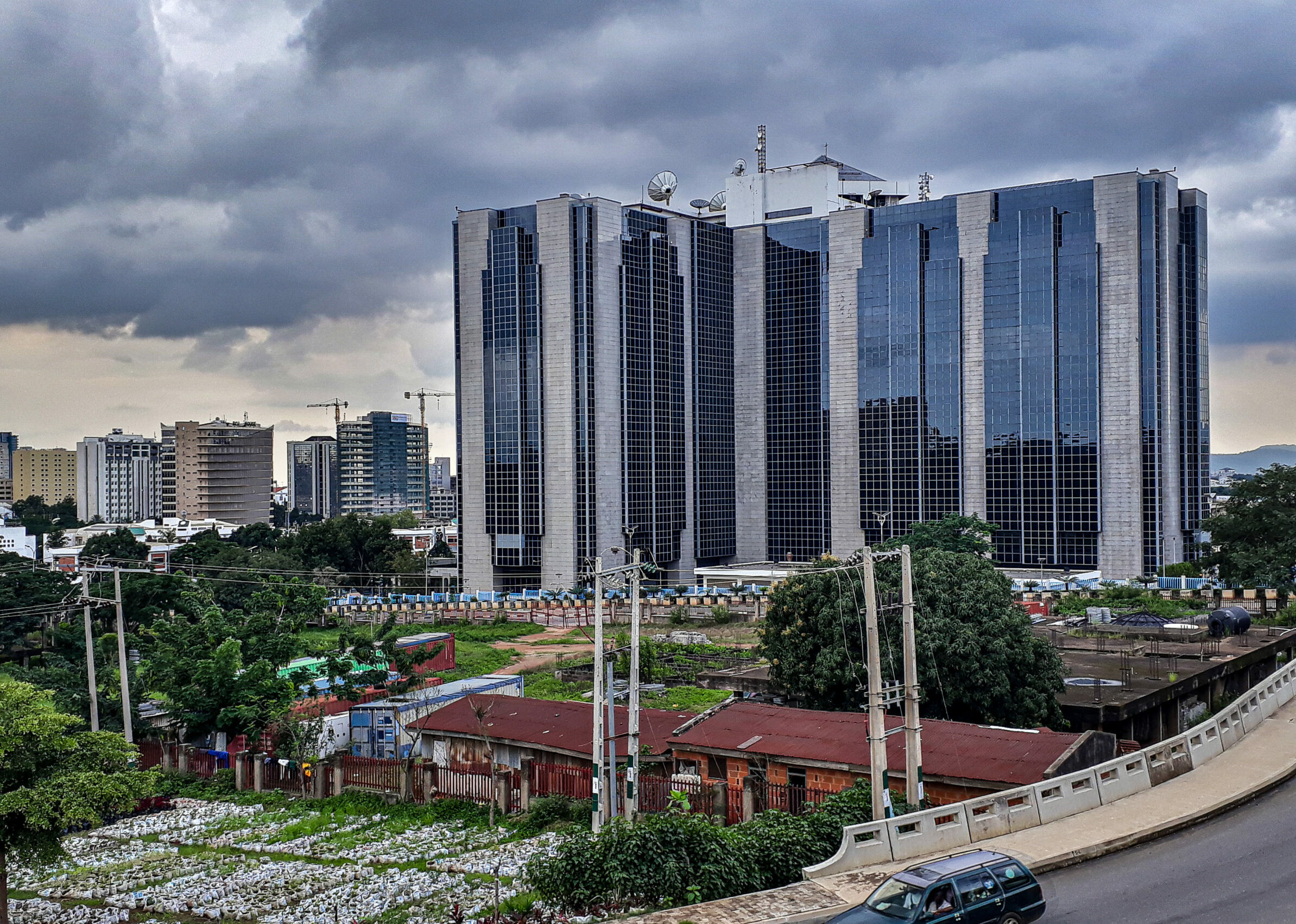
Data has shown that improving macroeconomic conditions and financial systems contributes to stabilising the economy, where evidence-based policy frameworks are positioned to safeguard the soundness and resilience of the financial system. The Monetary Policy Committee (MPC) is far more than a technical update; it is a decision of steady leadership and practical decision-making. In a challenging economic climate, CBN carried out a balanced evaluation of risks, taking proactive steps towards a better economic outlook.
The ongoing disinflation trajectory has continued, with the decision to lower the Monetary Policy Rate (MPR) by 50 basis points to 26.5 percent. This is a careful, timely and precise decision, which followed a comprehensive review of both global and domestic economic developments, evaluating the risks and opportunities facing Nigeria’s economy. The MPC’s decision was informed by a sustained disinflation trajectory, driven by previous monetary tightening measures, exchange rate stability, and improved food supply conditions.
This careful calibration of policy reflects the CBN’s commitment to achieving its core mandate: price stability. Rather than resorting to abrupt or aggressive interventions, the CBN opted for a gradual easing, signalling confidence in the underlying fundamentals of the Nigerian economy. These actions are anchored in rigorous analysis and a forward-looking approach, ensuring that monetary policy remains responsive yet prudent.
Sustained deceleration in year-on-year headline inflation in January 2026 dropped for eleven straight months, down to 15.10 percent from 15.15 percent in December 2025. This isn’t just about numbers; it means everyday goods are becoming more affordable for Nigerian families. This downward trajectory in inflation was driven mainly by efforts of the contracting monetary policy, stability in the foreign exchange market, robust capital inflows and improvement in the balance of payments. This has also been reinforced by relative stability in prices of petroleum products and improved food supply conditions, especially staples.
Food inflation, for example, dropped to 8.89 percent from 10.84 percent, and core inflation fell to 17.72 percent from 18.63 percent, easing the pressure on household budgets. Headline inflation has dropped from -2.88% in December 2025 to 0.54% in January 2026. Several factors have made this progress possible: more investment coming into the country, a steadier exchange rate, improvements in Nigeria’s balance of payments, and less volatility in fuel prices. This is as a result of the CBN’s steady hand; businesses and families can plan with more confidence, knowing the economic ground underfoot is becoming firmer.
Nigeria’s growing foreign reserves are now at $50.45 billion, the highest in thirteen years, which is another bright spot. This milestone comes from stronger exports, more money sent home by Nigerians abroad, and careful management of the country’s finances. With these reserves, the country is better protected from global shocks and can keep importing the goods and services people rely on.
The MPC also welcomed a new presidential executive order, which ensures that more oil and gas revenue goes directly into the national treasury. This will improve fiscal revenue and accretion to reserves. All these steps show the CBN’s dedication to building a stable currency and an economy that investors can believe in.
The CBN’s commitment goes beyond just setting interest rates. It’s also making sure Nigeria’s banks are strong and ready for the future. Under the recapitalisation programme, twenty out of thirty-three have already met the new capital requirements. This reaffirms steady progress towards a more robust, well-capitalised financial system. By focusing on building up the banks’ strength now, this will ensure the financial sector can weather storms and keep supporting the country’s real economy.
As the world economy is picking up this year, there are risks like trade negotiations, increased investment in AI-related technology and monetary policy easing. Nigeria is well-placed to benefit from global trends, especially as supply chains smooth out and commodity prices stabilise.
The latest Purchasing Managers’ Index (PMI) was 55.7 in January 2026, showing that businesses are expanding and confidence is growing. This is a result of expansion in economic activities and improved output in the 4th quarter of 2025. It’s a sign that a focus on both stability and growth is paying off. The MPC is optimistic that inflation will keep falling, but they’re staying alert to possible risks, like extra government spending before elections.
Every success has its other side of the story, likewise in these bold steps of safeguarding the soundness and resilience of the financial system. Some headwinds include the rising protectionism, deepening geo-economic fragmentations, escalation of trade disputes and expectation of global disinformation anticipated in 2026. Near-term inflation is likely to remain above historical averages, constrained by structural rigidities and the divergent pace of disinflation across several economies.
This openness and forward thinking are what set the CBN apart. By clearly sharing both the good news and the challenges, the Bank builds trust with Nigerians and sets the stage for a healthy, sustainable economy.
The decision to cut the MPR by 50 basis points is a real sign of the central bank’s steady hand and clear vision. By skilfully combining monetary policy, managing external finances, and overseeing banks, the CBN is making Nigeria’s economy stable and resilient. As we look ahead, we feel reassured knowing that the central bank is focused on both today’s needs and tomorrow’s opportunities.























You must be logged in to post a comment Login