Africa
Uromi Killings: Time To End The Reign Of Guns In Our Communities -By Isaac Asabor
Let Uromi be the last straw. Not just for sympathy. But for systemic, sweeping, and urgent action. The souls of those 16 men demand justice, not just in courtrooms, but in policies that prevent such bloodshed from ever happening again.

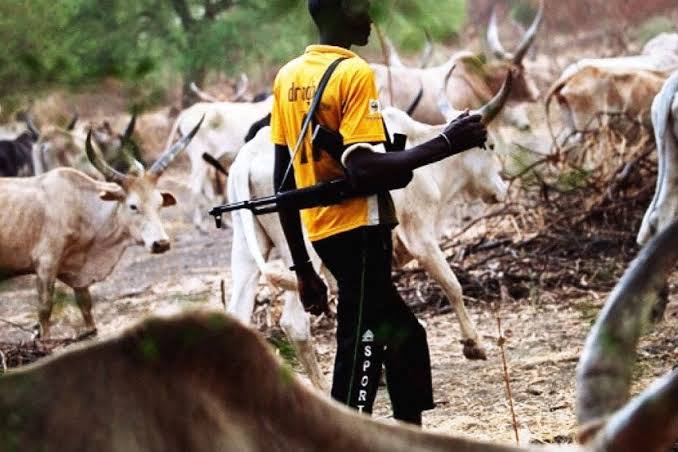
The blood of 16 Nigerians, reportedly hunters, spilled on the soil of Uromi in Edo State is yet another grim reminder of the violent times we live in. Their deaths, gruesome and senseless, have sparked waves of emotions across the country. Condolences have poured in, anger has surged, and outrage has been expressed from various quarters. Yet, beneath the emotive outbursts lies a dangerously ignored truth, the unchecked proliferation and parading of guns in our communities by both herdsmen and hunters alike is a ticking time bomb. And that bomb has just exploded in Uromi.
It is one thing to mourn the dead, which is appropriate. It is another to prevent future deaths, which is urgent. While the Uromi massacre has received the headlines it deserves, what may not have received equal attention is the frightening normalization of civilians wielding firearms across Southern Nigeria under the pretense of hunting, self-defense, or in the case of herders, “protecting their livestock.” This trend, if left unchecked, will only breed more mass graves, more sorrow, and an erosion of the very meaning of community safety.
Let us not mince words, no one outside the security forces should be allowed to openly carry weapons in a supposedly civil society. Whether you call yourself a hunter, vigilante, or herdsman, the law must not turn a blind eye. The forested parts of the South have become unofficial battlegrounds, not only for farmers and herders but between different groups armed to the teeth with locally fabricated and imported weapons, and even to a large extent posing as threats to travelers who usually stop by to ease themselves. The result? Deaths like those in Uromi.
The Uromi killings should compel us to ask harder questions. “Why is it so easy for individuals in rural communities to possess high-grade firearms?” “Why is the state either unwilling or unable to enforce existing firearms laws?” And why has the government; both at the state and federal levels, continued to respond to these incidents with mere condolence messages which are mostly political rhetoric meant to boost their electoral values rather than action?
In many communities, hunting has gone from a traditional and cultural activity to a pretext for militarization. While hunters used to carry dane guns and bows, today, many are armed with automatic rifles. Similarly, many herdsmen, once known only for their walking sticks and herding tools, now brandish AK-47s as they move across communities. This escalation is no longer anecdotal; it is visual, real, and present.
The consequences are dire. Whenever conflict breaks out, be it over grazing routes, farmland, or community disagreements, these weapons come out, and blood is spilled. The killings in Uromi are only the latest example of what has become a disturbing pattern across Nigeria.
Government silence in the face of repeated arms display by non-state actors is not just cowardice; it is complicity. You cannot claim to be upholding law and order when those outside the law are more armed than those tasked with enforcing it. Criminalizing gun possession without a license is already in the Nigerian Firearms Act, but enforcement is selective, inconsistent, and at best, ineffective.
If the Nigerian government can spend billions chasing “illegal refineries” in the Niger Delta or demolishing “illegal structures” in Lagos, why can it not commit itself to flushing out illegal weapons from civilian hands, especially in rural communities? Why is there no coordinated national disarmament campaign targeted at these groups masquerading as protectors but functioning as threats?
The Uromi tragedy should now serve as a turning point. We cannot afford to move on from it without drawing a line in the sand. The government must immediately commence a review of the presence and use of firearms by hunters and herders, with a clear intention to disarm and punish. It is no longer enough to say, “We are investigating.” We need laws that bite and enforcement that works.
One of the arguments often advanced by those defending hunters’ right to bear arms is cultural. “It is our tradition,” they say. That may be true. But in this modern context, cultural sentiment must never undermine public security. Traditions must evolve with time, especially when they threaten lives and properties. The role of hunters can be preserved without arming them with lethal weapons. Communities can deploy hunters for surveillance, bush tracking, or community watch functions, but arming them like militias turns them into another problem instead of a solution.
In the same vein, herdsmen cannot continue to use the excuse of self-defense to justify carrying firearms. Their livestock cannot be more valuable than human lives. If herding requires weapons for protection, then it is high time the government regulated the herding business just like any other security-sensitive occupation. This might include requiring registration, approval for arms use, and GPS-tracked movement. Anything less is dangerous leniency.
Let’s be honest. The reason the issue has persisted this long is because of a lack of political will. Many politicians fear that clamping down on armed herders or hunters will lose them rural votes or inflame ethnic tensions. That is an irresponsible excuse. Security cannot be sacrificed on the altar of political correctness. Whether the gun is carried by a Fulani herdsman or an Esan hunter, the law must be applied with equal firmness.
The state government, especially in Edo, must show leadership by launching a full-scale investigation not just into the killings but into how many weapons are currently circulating in rural areas under the guise of hunting. Governor Obaseki and security agencies must move beyond press releases. Community leaders must be summoned, hunter associations regulated, and herders monitored.
To move forward, Nigeria needs a national disarmament framework, not just for the Niger Delta or Boko Haram insurgents, but for all unauthorized individuals in possession of firearms. This should include, Community Amnesty Windows, which allows voluntary submission of illegal weapons with a short grace period.
Also, from the perspective of registration and licensing review, government overhaul the current system to ensure only vetted persons can access hunting or farming defense licenses.
Another is mobile weapon search task forces which entails deploying mobile security units to periodically search forests and rural areas.
In a similar vein is technology deployment, which requires use of drones and surveillance to monitor known hotspots.
Also of importance is community sensitization, which allows the engagement of traditional rulers and community heads to discourage arms possession.
The time to act is now. We cannot afford another Uromi. The longer we delay, the more we normalize this madness, and the more deaths we will have to mourn. Guns in the hands of civilians, whatever their profession or excuse, are a menace. Until the government rises to the challenge, these senseless killings will continue to punctuate our national life like a recurring nightmare.
Let Uromi be the last straw. Not just for sympathy. But for systemic, sweeping, and urgent action. The souls of those 16 men demand justice, not just in courtrooms, but in policies that prevent such bloodshed from ever happening again.