Africa
What Abuja’s Embassy-Rent Threat Could Cost Nigeria’s Global Standing If Wike Is Not Called To Order -By Isaac Asabor
Before this needless drama escalates into an international embarrassment, the Federal Government must rein in Wike’s overreach and ensure that Nigeria’s foreign relations are handled with the caution, protocol, and maturity they deserve. There are lawful, civilized means of recovering debts, even from embassies. What is not acceptable is for one man to jeopardize decades of diplomatic goodwill in a bid to score populist points or flex political muscle.

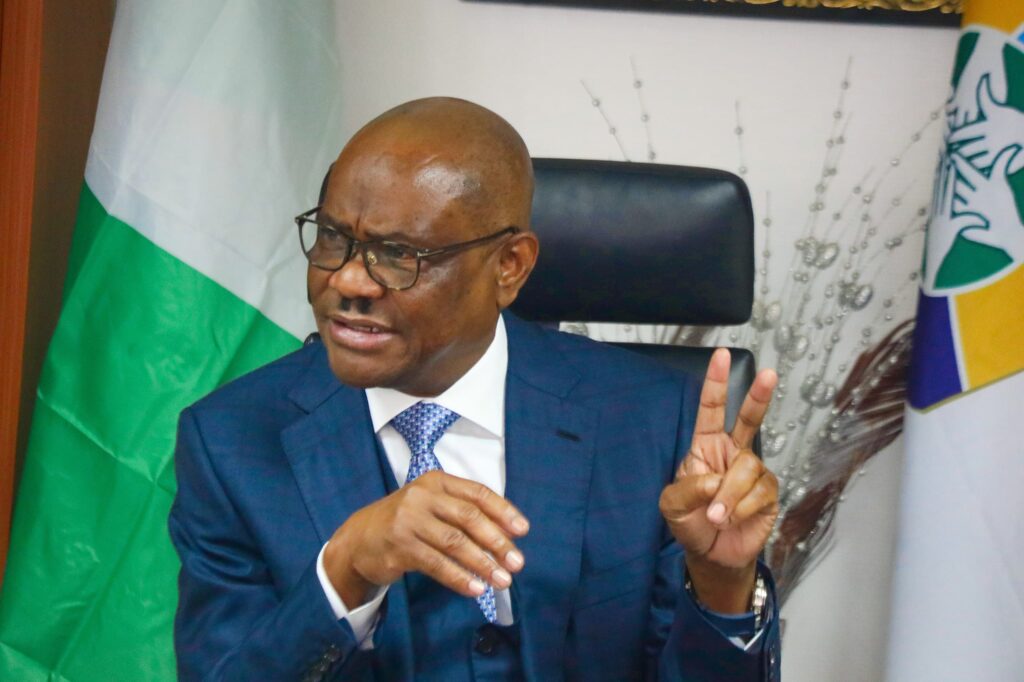
When Nyesom Wike, the often blunt and garrulous FCT Minister, warned that embassies in Abuja failing to pay ground rent could face sealing, one cannot but predict that his action could land Nigeria into a legal, and diplomatic quagmire. While at first glance this might seem a straightforward enforcement of property laws, the diplomatic fallout could be profound. From international law and bilateral relations to domestic politics and Nigeria’s long-term global image, the move sets several worrying precedents.
The reason for the foregoing anxiety cannot be farfetched as Nigeria, like many countries, offers embassies hallowed status as diplomatic missions are typically exempt from standard local regulation under the Vienna Convention. Yet, exceptions may exist when it comes to state‑negotiated lease terms. If Nigeria’s revenue service deems that embassies are obliged to pay ground rent negotiated in formal agreements, and those agreements clearly stipulate enforceable obligations, Wike’s move may be legally defensible.
But enforcing that rent, threatening embassy closure or asset seizure, is not just a commercial decision. It touches on diplomatic immunity and the sanctity of missions themselves. Under the Vienna Convention, diplomatic premises are inviolable. Nigeria could risk breaching that inviolability if enforcement appears coercive or forceful.
While listening to human rights lawyer and Senior Advocate of Nigeria (SAN), Femi Falan during an interview on Politics Today on Channels Television, his position on the issue was not just cautionary and weighty, but it was timely as it is a clear-eyed reminder that governance must operate within the bounds of legality and diplomacy, not impulsive theatrics.
Falana, on the programme, cautioned Wike, stressing that such actions risk triggering serious diplomatic backlash. He pointed to Article 22 of the Vienna Convention on Diplomatic Relations, which explicitly states that embassy premises are inviolable. That means, no matter the level of provocation or debt, Nigeria has no legal right to forcibly enter, seal, or tamper with diplomatic premises. Any move to do so, Falana argued, would be unlawful and could embarrass Nigeria on the global stage.
Falana did not stop at the international implications; he also questioned the legality of Wike’s broader sealing-off tactics. According to him, the minister cannot unilaterally order such actions without first giving affected parties the right to fair hearing, as guaranteed by Section 36 of Nigeria’s Constitution and Article 7 of the African Charter on Human and Peoples’ Rights Act. In short, bypassing legal processes to enforce rent payment amounts to executive rascality.
He urged the Minister of Foreign Affairs, Yusuf Tuggar, to immediately intervene, emphasizing that matters involving foreign missions require tact, protocol, and strict adherence to international law, not the strong-arm tactics Wike seems to prefer.
Be that as it may, it is expedient to opine that Wike’s threat is not without modern parallels. Around the world, similar disputes have escalated into flashpoints of diplomatic tension. For instance, in 2019, there was a standoff between India and Pakistan. As gathered from historical literatures, Pakistan locked down a building the Indian embassy had purchased earlier due to a payment dispute, prompting formal diplomatic protests and media coverage.
In a similar vein, there was diplomatic imbroglio between Russia and Georgia in London in 2006. As gathered, a rent dispute over a property adjacent to the Georgian embassy sparked a court battle and serious public disagreement, though both sides ultimately avoided drastic action.
Also in a similar vein, history has it that UK Embassy in Tehran in 1979 was embroiled In a crisis far more intense than transactional rent disputes as embassy powers were overridden, buildings occupied, leading to one of the gravest diplomatic crises of the modern era.
In even these tensions over property among friendly states, the fallout was real: formal complaints, tit-for-tat trade irritants, sometimes minor sanctions, or downgrading of diplomatic ties. Escalations like this do not stay confined to Assemblies, they bleed into broader relations, public image, security cooperation, and more.
On paper, cracking down on unpaid rent could portray Nigeria to be fiscally responsible, and a nation that is guided by rule-of-law. This is as the revenue climate is already austere, and every naira counts. Wike’s track record shows he does not shy from enforcing payments: earlier this year, he sealed off properties over tax arrears.
But embassies operate on a different diplomatic plane. If Abuja proceeds to seal or padlock foreign diplomatic missions, even temporarily, expect, retaliatory action. Other governments might retaliate by slowing or withholding visas, import licenses, or participation in agreements.
In fact, the diplomatic row may metamorphose to chilling foreign investment. Therefore, business leaders should take note, if Nigeria cannot manage to enforce dues for embassies, what might that imply for investors?
Not only that, future administrations may weaponize embassy vulnerability more overtly as rent could morph into leverage, particularly as there is a foundational precedent to stand on.
In light of the potential diplomatic fallout from Wike’s threat to seal embassies over unpaid ground rent, it is imperative that the Federal Government urgently calls the FCT Minister to order. Matters that border on diplomacy are not within the jurisdiction of state or regional officials, no matter their title or influence, they remain the exclusive preserve of the Federal Government, particularly the Ministry of Foreign Affairs.
Wike, by all observations, is not known for his diplomatic finesse. His combative and often theatrical style of governance may have served him well in the political trenches of Rivers State, but in Abuja, Nigeria’s seat of power and international diplomacy, such recklessness could spell disaster. Allowing him to trample on long-established diplomatic norms and the inviolability of foreign missions, as enshrined in international conventions, could result in diplomatic reprisals, strained bilateral ties, and reputational damage for Nigeria on the global stage.
Before this needless drama escalates into an international embarrassment, the Federal Government must rein in Wike’s overreach and ensure that Nigeria’s foreign relations are handled with the caution, protocol, and maturity they deserve. There are lawful, civilized means of recovering debts, even from embassies. What is not acceptable is for one man to jeopardize decades of diplomatic goodwill in a bid to score populist points or flex political muscle.