Football
What This AFCON Reveals About African Football –By Matthew Ma
It is important to remember that hosting a tournament should not feel like a must-win situation. Burkina Faso hosted the tournament and did not emerge victorious—nothing changed. Nigeria and Ghana hosted, yet did not win, and life continued as usual. Ghana hosted and did not win—no disasters ensued. Mali hosted and failed to secure a win—everyone just moved on. Angola, too, hosted and did not claim victory—the world remained unchanged, much like in the cases of Equatorial Guinea, Gabon, South Africa, and Cameroon. Subsequently, Kenya, Tanzania, and Uganda will host. They too will not win—and no calamity will occur. It is time to stop pretending. AFCON is about football, not theatrics. Let the game take center stage.


Each edition of the African Cup of Nations (AFCON) not only delivers thrilling moments of skill and competition but also stirs a mix of excitement and controversy. The most recent AFCON was no exception, showcasing an array of stunning goals and exhilarating matches that filled fans with pride and highlighted the talents of diverse players from across the continent. In this article, I present a thorough and structured comparative analysis of two landmark tournaments: the 2023-24 Africa Cup of Nations in Côte d’Ivoire and the recently concluded 2025-26 AFCON in Morocco. My examination will cover various facets of each tournament, including key highlights, significant achievements, and the challenges that surfaced.
The Good
At its finest, AFCON serves as African football’s most compelling showcase. The tournament highlights the continent’s remarkable depth of talent, featuring both established stars and emerging players who seize the continental spotlight. Matches are fiercely contested and often decided by narrow margins, individual brilliance, or sheer determination. Additionally, smaller footballing nations continue to bridge the gap with traditional powerhouses, further cementing AFCON’s reputation as the most unpredictable major international competition. In the 2023-2024 edition, Côte d’Ivoire claimed their third AFCON title on home soil, triumphing over Nigeria 2–1 in the final—a profoundly emotional and inspiring victory for the hosts. This achievement made them the first host nation to win since Egypt in 2006. The tournament also featured one of the most dramatic comeback stories in AFCON history, as the hosts rebounded from a shocking 4–0 loss to Equatorial Guinea to emerge as continental champions. Côte d’Ivoire made the bold decision to dismiss coach Jean-Louis Gasset mid-tournament after a series of disappointing results. This move created instability and uncertainty but ultimately paved the way for success under the leadership of Emerse Faé. Vibrant stadium atmospheres were created by large, passionate crowds throughout the tournament, not only during Côte d’Ivoire’s matches but for every nation represented. This contributed to a lively, authentic AFCON atmosphere that resonated across the continent.
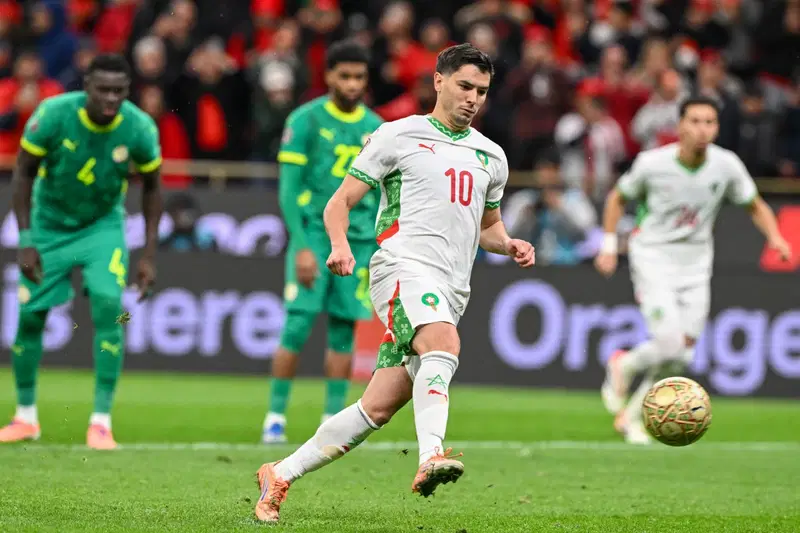
In the 2025-2026 edition of the tournament, Morocco unveiled a series of modern, state-of-the-art stadiums and meticulously designed pitches that exemplified the nation’s ability to host significant international events. These impressive venues were not only built to accommodate large audiences but also equipped with innovative technology and facilities that enhanced the overall experience for players and fans alike, reinforcing Morocco’s aspirations to host a future FIFA World Cup. The tournament featured elite African national teams competing fiercely, with matches extending into late January, showcasing an exhilarating level of skill and intensity. Star players delivered standout performances, captivating audiences, and highlighting the rich talent in African football. Among the highlights were Brahim Díaz, whose exceptional dribbling and playmaking abilities dazzled fans, and Sadio Mané, known for his explosive speed and goal-scoring prowess. Victor Osimhen and Ademola Lookman also turned heads with their dynamic attacking displays, while Alex Iwobi and Akor Adams made crucial contributions in midfield. The tournament featured extraordinary goal-scoring talent from Mohammed Salah, who consistently found the back of the net, and Calvin Bassey, known for his remarkable defensive skills and ability to initiate counterattacks. Each match was marked by strategic tactical displays that not only increased excitement on the pitch but also significantly boosted viewership, drawing in fans from across the globe eager to witness the thrilling competition. In a world where African football is frequently ridiculed, AFCON continues to capture attention on its own terms. There are also notable signs of advancement. The tournament showed that the quality of its broadcasts and its commercial appeal are steadily improving.

The Bad
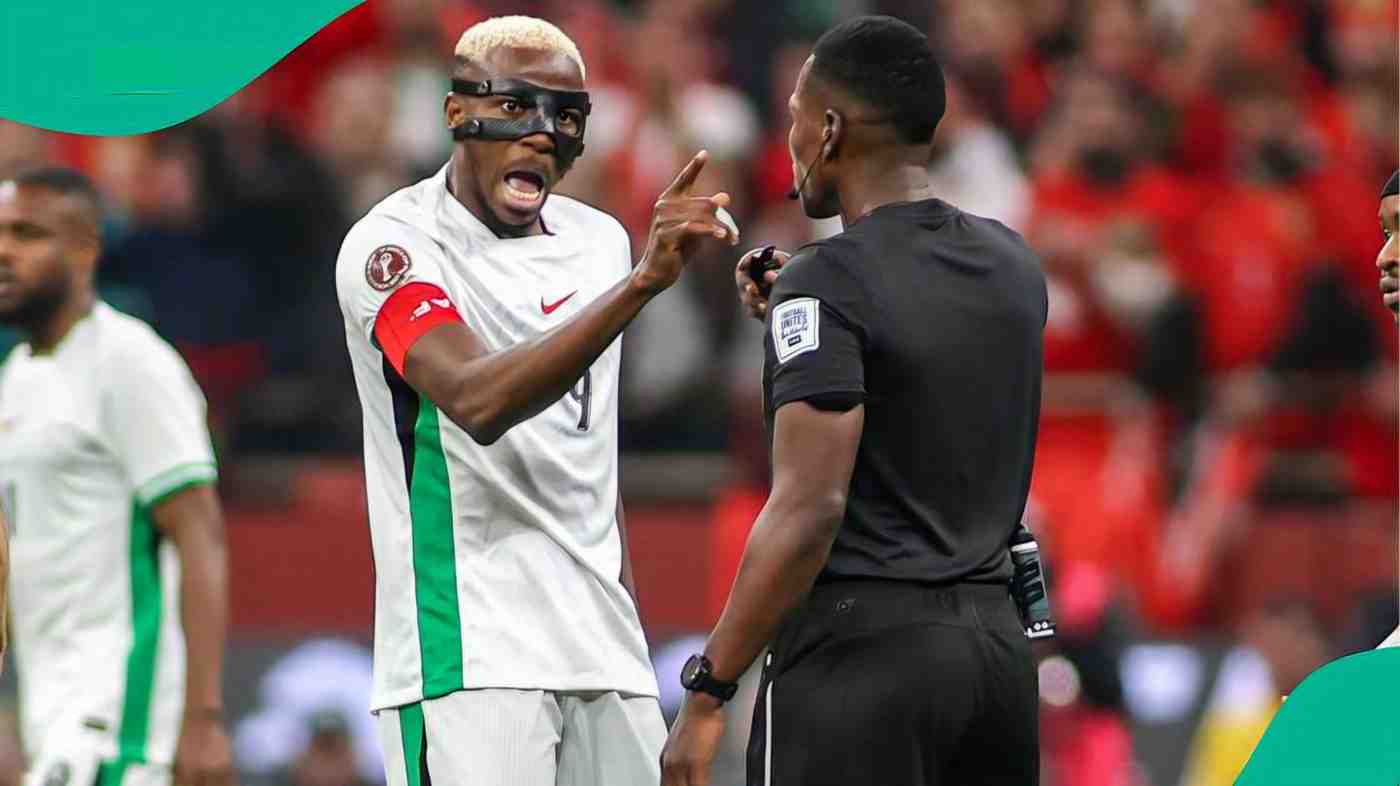
Despite its impressive array of strengths, the Africa Cup of Nations (AFCON) is continually hampered by a series of issues that are increasingly difficult to justify. A primary concern was the inconsistent officiating that pervades the matches in Morocco. Refereeing controversies took center stage once again in post-match analyses, with decisions that often seemed arbitrary, poorly communicated, or applied unevenly across different teams and match situations. The introduction of Video Assistant Referee (VAR) technology, which was initially intended to promote fairness, has frequently compounded these issues. Instead of clarifying situations on the pitch, VAR has raised more questions due to ambiguous protocols and inconsistent referee application.
One glaring example of this was observed during the final match in Morocco, where the quality of refereeing and VAR use was widely condemned. Fans, players, and coaches alike expressed their frustrations, viewing these inconsistencies as indicative of a deeper, systemic problem within the tournament’s officiating framework. This outcry led to protests on the pitch, coaches walking off in dismay, and intense debates over the fairness of the competition as a whole. Beyond the challenges of officiating, the tournament faced significant logistical issues. Complaints arose regarding ticket allocation processes, transport delays, and confusion over security protocols, with visiting teams from Nigeria and Senegal voicing particular dissatisfaction. These logistical shortcomings not only marred the experience for teams and supporters but also overshadowed the tournament’s overall organization, which boasted advanced infrastructure. Moreover, the backdrop of broader unrest in Morocco, largely driven by youth-led protests, heightened tension and detracted from the excitement of the sporting events. The social climate surrounding AFCON served as a reminder that the tournament’s significance extended beyond the pitch, intertwining with broader societal issues that loomed over the celebrations of African football.
The Ugly
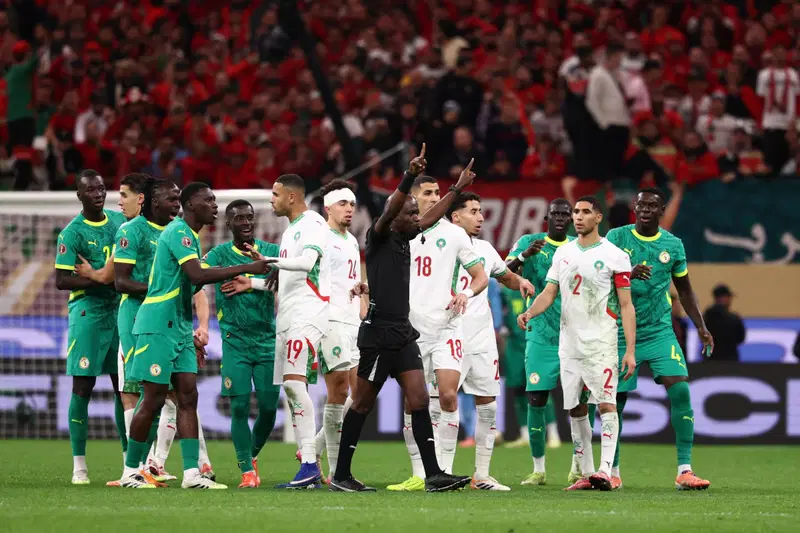
The Africa Cup of Nations (AFCON) has repeatedly featured moments that transcend mere controversy, often spiraling into outright embarrassment. The latest edition of the tournament was no exception, marred by heated confrontations among players, officials, and fans alike. These incidents included prolonged stoppages during matches, pitch invasions, widespread crowd disorder, and serious allegations of bias, collectively undermining the tournament’s credibility. A particularly notorious example occurred during the match between Morocco and Senegal, which quickly escalated into one of the most chaotic episodes in AFCON history. This match was characterized by player walk-offs in protest, significant interruptions that disrupted the flow of the game, and alarming clashes between fans. A disputed late penalty was awarded to the host nation, Morocco, while Senegal had a legitimate goal unfairly disallowed due to a questionable foul. In a display of utter disarray, objects were hurled onto the pitch, fans were seen stealing the goalkeeper’s towel, and intense confrontations in the aftermath of the match only added fuel to the post-game tension. Such unruly scenes raise a compelling question: how can individuals like Jamie Carragher dismiss AFCON as a premier football tournament, given the severity of these incidents?
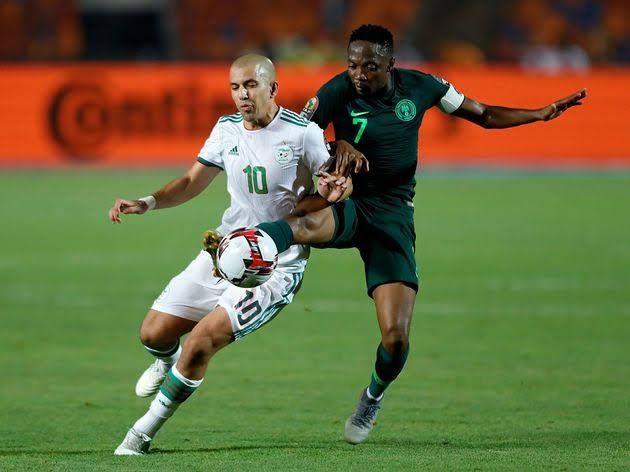
Nigeria vs Tunisia AFCON 2021
The scenes we witness during these tumultuous matches are especially damaging, as they perpetuate negative stereotypes about football governance in Africa. When games descend into chaos, the focus shifts dramatically from the athleticism and talent on display to themes of dysfunction and mistrust that overshadow the spirit of competition. These alarming incidents not only tarnish the reputations of the teams involved but also cast a long shadow over the entire football ecosystem across the continent. What makes these occurrences particularly troubling is their unsettling familiarity. They are not isolated incidents; rather, they form a concerning pattern that suggests that crucial lessons from past tournaments continue to go unlearned or unheeded. This repeated disregard for maintaining order and respect in the sport raises questions about the effectiveness of the governance structures in place and about the commitment to fostering a positive, fair environment for players and fans alike. The ramifications extend beyond the pitch, shaping global perceptions of African football and undermining the hard work and dedication of countless individuals striving to elevate the sport.
Both FIFA and the Confederation of African Football (CAF) issued statements condemning the disruptive behavior exhibited by players, coaching staff, and spectators. Discussions of legal repercussions and potential sanctions arose, shifting the tournament’s focus to off-field issues rather than the spirit of competition. However, in a notable oversight, FIFA refrained from addressing the disorganization surrounding the tournament’s planning and the questionable conduct of officials throughout the CAF-sanctioned events. The chaotic conclusions to matches and the overall disarray of this tournament have been perceived as a detrimental blow to African football’s image, raising concerns among stakeholders ahead of Morocco’s role as a co-host of the upcoming FIFA World Cup. With the global football community’s eyes turning toward Africa, the need for reform and better management in the sport has never been more evident.
What this AFCON reveals about African football
The AFCON (Africa Cup of Nations) has reaffirmed a fundamental reality about African football: the continent is overflowing with remarkable talent and unbridled passion, yet it grapples with significant shortcomings in its structural systems. While Africa has consistently produced elite players who shine on the international stage, it struggles to deliver tournaments that consistently meet world-class standards. Despite some evident progress in recent years, this progress is often inconsistent and fragile, easily undermined by decisions that lack foresight and accountability. The most pressing challenge facing the Confederation of African Football (CAF) is no longer about demonstrating the continent’s capacity to host thrilling, engaging tournaments; multiple successful events have long since resolved that question. Instead, the real test lies in achieving institutional maturity. This requires a commitment to transparent and fair officiating, the establishment of firm disciplinary measures, fostering professional administration, and the fortitude to uphold standards even in the face of political pressure.
AFCON is undoubtedly a shining gem in the global football landscape, showcasing the rich culture and fervor surrounding the sport across the continent. However, like any precious stone, it requires careful polishing and maintenance. Without substantial reform and a proactive approach to addressing existing issues, the goodwill and excitement generated by the tournament risk being overshadowed by persistent shortcomings. The negative aspects could easily dominate narratives if left unchecked. African football deserves a higher caliber of leadership and organization—not because it lacks excitement and drama, but because it has evolved beyond the chaos and disorder that have historically plagued it. The overriding lesson from this AFCON is unmistakable: mere passion and enthusiasm can no longer suffice in driving the sport forward. For African football to thrive and gain the respect it merits on the world stage, it must embrace a future grounded in professionalism, accountability, and strategic development.
Conclusion: When hosting becomes a Must-Win
The 2025-26 AFCON hosted by Morocco is the least satisfactory tournament organized by CAF in the last decade. What began as a promising competition with 24 nations quickly descended into controversy, marked by allegations of cheating and corruption. CAF prioritizes profit over the integrity of the tournament, frustrating Africa’s top football nations while favoring host countries. Notable incidents include the Morocco vs. Tanzania match, where VAR controversially denied a clear penalty, and the chaotic Morocco vs. Cameroon match, where VAR dysfunction plagued the proceedings, leading to significant repercussions for Cameroon. In the match between Morocco and Nigeria, the gameplay was relatively even. Yet, Ghanaian referee Daniel Laryea’s performance raised eyebrows, with 22 fouls called against Nigeria and only one yellow card issued throughout 120 minutes. In an unprecedented move, the Moroccan Football Federation successfully urged CAF to replace the original Egyptian referee for the Cameroon match with a referee from Mauritania. This has raised serious questions about the integrity of officiating in the tournament.
Several national football federations have communicated their concerns to CAF, with copies sent to FIFA regarding perceived injustices in AFCON 2025. Reports indicate that some CAF referees considered withdrawing from the tournament before the second round due to pressure from the CAF. Leading up to the final, there are indications that Morocco had already been favored, leaving Senegal at a disadvantage. Fans faced significant challenges securing tickets for matches involving the host nation. According to football analysts, AFCON 2025 appears more like a charade than a genuine competition, with the eventual winner seemingly predetermined well before the tournament’s start.
It is important to remember that hosting a tournament should not feel like a must-win situation. Burkina Faso hosted the tournament and did not emerge victorious—nothing changed. Nigeria and Ghana hosted, yet did not win, and life continued as usual. Ghana hosted and did not win—no disasters ensued. Mali hosted and failed to secure a win—everyone just moved on. Angola, too, hosted and did not claim victory—the world remained unchanged, much like in the cases of Equatorial Guinea, Gabon, South Africa, and Cameroon. Subsequently, Kenya, Tanzania, and Uganda will host. They too will not win—and no calamity will occur. It is time to stop pretending. AFCON is about football, not theatrics. Let the game take center stage.
Rev. Ma, S.J., is a Jesuit priest and a public policy analyst. He currently writes from Abuja, Nigeria.