Africa
Why Nigeria Must Urgently Overhaul the Salary Structure of Tertiary Institution Lecturers -By Faisal A. El-Siddiq
A nation that neglects its educators is sowing the seeds of its own decline. If Nigeria is serious about securing its future, we must begin by restoring dignity to the teaching profession—particularly at the tertiary level. And that dignity starts with fair, livable, and timely compensation for our lecturers.

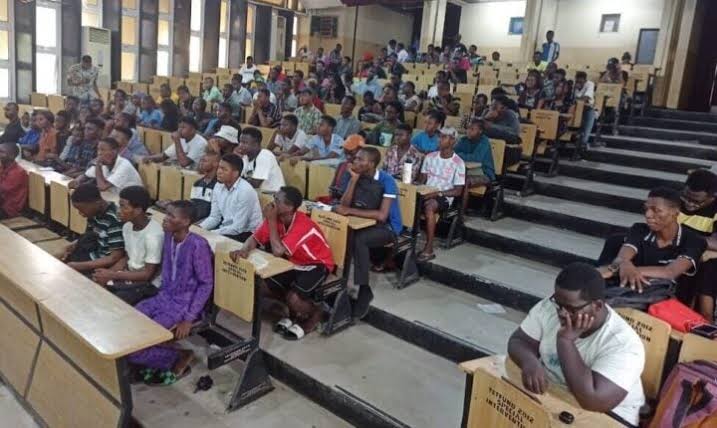
In any progressive society, education is the bedrock of national development. The educators who drive that system—particularly lecturers in universities, colleges of education, and polytechnics—are the architects of tomorrow’s leaders. Yet in Nigeria, these professionals are treated as expendable commodities. The salary structure for lecturers in our tertiary institutions is not just outdated—it is appallingly unjust. Many live in dire financial conditions while the nation looks the other way.
The consequences of this neglect are tragic. Just last week, the nation mourned Professor Roko of Usmanu Danfodiyo University, Sokoto, who, after decades of dedicated service, was diagnosed with a life-threatening illness. He needed ₦13 million for urgent medical treatment abroad. Despite public appeals and frantic fundraising efforts, he died before the funds could be raised. A man who had helped shape generations of minds could not access the healthcare he needed to save his life.
Sadly, this is not an isolated incident. Across tertiary institutions, reports of untimely deaths among academic staff have become disturbingly common. Many of these are linked to stress, poor nutrition, and the inability to afford quality healthcare. Some institutions have lost dozens of lecturers within just a few months. These are scholars who spent their lives producing doctors, engineers, scientists, and thinkers—yet they died lacking the most basic necessities: health, food, shelter.
The reality beyond the obituaries is equally heartbreaking. All over Nigeria, you’ll find lecturers forced into side hustles just to survive—hawking vegetables, selling second-hand clothes, working jobs far beneath their qualifications, or taking loans just to buy fuel. One recently sold the battery of his car just to afford transportation to work. These are not isolated cases—they reflect a wider, national tragedy.
The contrast becomes even more painful when we consider how our society rewards others. Political praise singers, influencers, and entertainers—many with no known contribution to education or national development—are showered with wealth and luxury. They distribute bags of rice and are celebrated. In a country where TikTok girls of questionable character are gifted exotic cars and houses, university lecturers—nation-builders—can’t afford decent healthcare or their children’s school fees.
This is more than an economic disparity—it’s a moral collapse. When fame is more valuable than intellect, when we celebrate noise over knowledge, and when a nation rewards spectacle but ignores substance, we’re not just losing good people—we’re losing our future.
The root of this shameful situation lies in the archaic and exploitative salary structure for lecturers. Despite inflation, soaring costs of living, and greater responsibilities, their salaries have remained stagnant. Worse still, lecturers face irregular payments, unexplained deductions through government portals, and the persistent failure of government to honor collective bargaining agreements.
We cannot continue on this destructive path. There is an urgent need to comprehensively overhaul the salary structure for lecturers in Nigerian tertiary institutions. This must include:
A renegotiated, inflation-adjusted salary scale that reflects economic realities.
Comprehensive health insurance and access to timely medical care.
Affordable housing and transport provisions.
Timely and full payment of salaries and allowances.
Welfare schemes for retirement and emergencies.
A nation that neglects its educators is sowing the seeds of its own decline. If Nigeria is serious about securing its future, we must begin by restoring dignity to the teaching profession—particularly at the tertiary level. And that dignity starts with fair, livable, and timely compensation for our lecturers.
Anything less is not just unfair—it is a betrayal of the generations they work so hard to uplift.
Faisal A. El-Siddiq
Kano, Nigeria