Forgotten Dairies
Ali Nuhu’s Leadership: A Triumph for Nigeria’s Film Industry, by Grace Donatus Tijjani

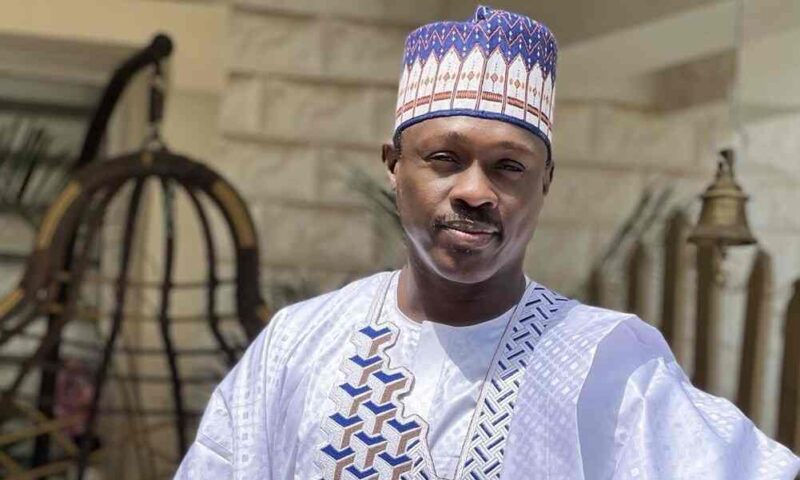
Ali Nuhu’s recent announcement of over 3,120 films submitted for the upcoming Zuma International Film Festival (ZUFF) is nothing short of a remarkable achievement. For years, Nollywood has been a beacon of Africa’s creativity, but what Nuhu has managed to accomplish takes the industry to a new level. His leadership as the Managing Director and CEO of the Nigerian Film Corporation (NFC) has proven that Nigeria is not only capable of telling its own stories but also of becoming a global force in cinema.
Nuhu’s vision for the film festival, scheduled to take place in December 2024, represents more than just a celebration of movies. It signals a shift in how Nigerian films are perceived globally. The theme of this year’s festival, “Digital Renaissance: Embracing the Future”, is particularly apt for our times. We live in an era where technology is reshaping industries, and for Nollywood, this transformation is critical. The sheer number of film entries, from countries like the USA, India, Iran, Spain, and France, is a testament to how much attention Nigerian cinema is now attracting.
In the past, Nigeria’s film industry often faced challenges due to limited resources and technology. Yet, Nuhu’s leadership has been transformative. Under his guidance, the NFC has embraced digital technology in a way that’s making Nollywood a key player on the international stage. His emphasis on the “transformative power of digital technology” goes beyond just filmmaking. It’s about creating new ways to tell our stories, distribute them to wider audiences, and make them accessible to the world. This is the future Nuhu envisions for Nigerian cinema, and he is driving the industry towards that future.
One cannot overlook the fact that ZUFF is no longer just a Nigerian event. It has become a global platform where filmmakers from around the world come to celebrate African cinema. This year’s theme is a reminder that Nollywood is not just participating in the digital revolution but is at the forefront of it. As Nigerian filmmakers increasingly adopt new technologies, they are breaking the barriers that have historically limited their reach. With Nuhu at the helm, the Nigerian film industry is evolving into a modern, global cinema powerhouse.
More importantly, Nuhu’s achievement reflects his ability to create a platform that promotes not just Nigeria’s films but its cultural values. He understands that Nollywood is more than just entertainment; it’s a tool for cultural diplomacy. Nigeria’s rich and diverse stories, told through film, help to foster a deeper understanding of the country’s heritage, history, and contemporary issues. Nuhu’s commitment to using film as a medium to enhance Nigeria’s image internationally is one of his most commendable achievements.
Yet, what makes Nuhu’s leadership particularly praiseworthy is his ability to draw in government support for the creative sector. It’s no secret that the arts in Nigeria have often struggled to receive the backing they deserve. However, Nuhu’s collaboration with government officials like Barrister Hannatu Musa Musawa, the Minister of Arts, Culture, and the Creative Economy, as well as the Federal Capital Territory (FCT) administration, shows that Nollywood is finally getting the recognition it deserves at the highest levels.
This government support, which includes co-hosting the festival and providing resources for its success, is critical. It signals a new era where the creative industries are seen as a vital part of Nigeria’s economic future. Nuhu’s ability to build these alliances shows that he is not only a creative leader but also a visionary strategist. He understands that for the Nigerian film industry to thrive, it must be seen as a national asset, contributing not just to culture but to the economy.
Another significant aspect of Nuhu’s leadership is his ability to inspire the next generation of filmmakers. Stephanie Okereke-Linus, a trailblazer in her own right, has been named the Head of Jury for this year’s festival. Her involvement sends a powerful message to young creatives about the possibilities within Nollywood. Nuhu’s decision to place her in such a key position reflects his commitment to mentorship and the development of future talents. By spotlighting figures like Okereke-Linus, he is helping to create role models for aspiring filmmakers, encouraging them to dream big and push the boundaries of what Nigerian cinema can achieve.
The Nigerian film industry is undoubtedly a major player in the country’s economy. Nollywood, which produces thousands of films every year, generates jobs, creates wealth, and serves as an export product for Nigerian culture. What Ali Nuhu understands, however, is that for Nollywood to continue growing, it must be positioned within the global economy, leveraging digital technology to make its mark. He has been vocal about the economic potential of the industry, and his leadership of ZUFF is focused on making Nigerian cinema a global brand.
But Nuhu’s success is not just about numbers or economic impact. His leadership is grounded in a deep love for storytelling. What sets him apart is his belief in the power of film to change perceptions, bridge cultures, and inspire action. In a world where media often portrays Nigeria and Africa in negative lights, Nuhu has made it his mission to use film as a tool for reshaping that narrative. Through ZUFF, he is providing a platform for Nigerian and African filmmakers to tell their own stories, from their own perspectives, and in their own voices.
As we approach the 14th edition of the Zuma International Film Festival, there is much to celebrate. Ali Nuhu’s leadership has turned what was once a local film event into an international platform that attracts attention from every corner of the globe. His commitment to digital transformation, government collaboration, and nurturing future talents has solidified his place as a visionary leader in the creative industries.
ZUFF 2024 promises to be more than just a film festival. It will be a celebration of the incredible strides that Nigerian cinema has made under Nuhu’s leadership. The festival’s theme, “Digital Renaissance: Embracing the Future”, is not just a catchphrase—it is a reality that Nuhu is helping to shape. As Nigerian filmmakers continue to embrace new technologies, Nollywood will undoubtedly lead the charge in global cinema.
In conclusion, Ali Nuhu’s achievements should be commended not only for their scale but for their long-term impact. He has laid the groundwork for a future where Nigerian cinema is not just relevant but central to the global film industry. His leadership is a triumph, not just for Nollywood, but for Nigeria as a whole. Through his vision, Nigeria is showing the world that it is ready to embrace the future of filmmaking, and that future looks incredibly bright.
Grace Donatus Tijjani a 300 level student from Mass Communication Department Borno State University, Maiduguri Borno State.