Africa
As Prophet Jeremiah Fufeyin Sells “Passport To Heaven”, Who Will Buy?, by Isaac Asabor

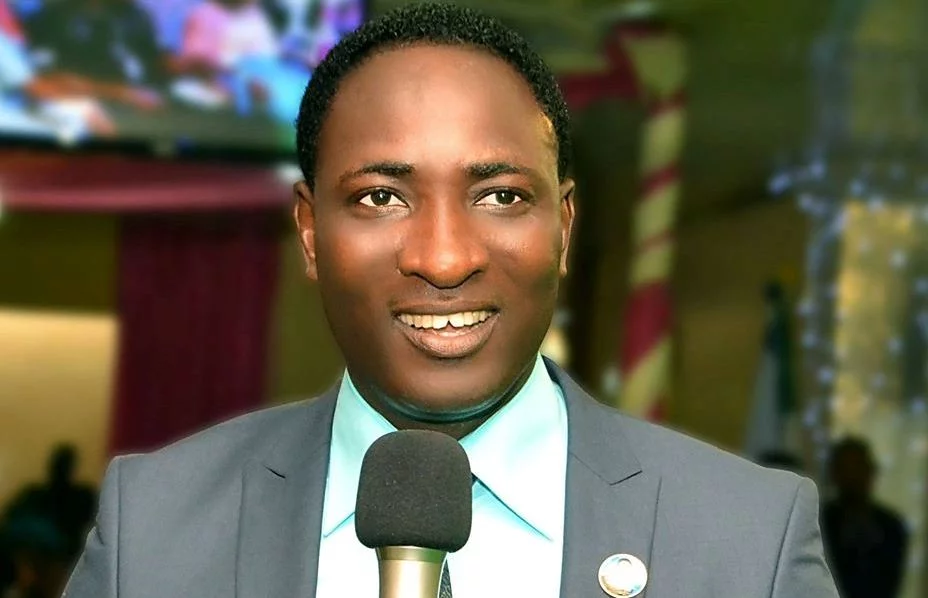
Religious fervor in Nigeria has often been accompanied by a bizarre blend of materialism and spiritual promises, giving rise to figures who claim divine powers to sell blessings and miracles. Prophet Jeremiah Omoto Fufeyin, the head of Christ Mercyland Deliverance Ministry, has emerged as a controversial figure in this domain. His ministry has become known for unorthodox practices that raise eyebrows, including the audacious claim that he possesses the “passport to heaven,” a spiritual commodity available to the highest bidder.
Fufeyin, whose ministry is headquartered in Warri, Delta State, has attracted a large following, primarily for his healing services, deliverance sessions, and prosperity gospel. But it is the commercialization of spiritual objects, anointing oil, holy water, and now a so-called “passport to heaven”, that has raised the most concern.
The claim that salvation, an essential tenet of Christianity, can be commoditized is not new in Nigeria. Over the years, some pastors have made staggering promises, from “miracle cures” to financial breakthroughs. But Fufeyin’s passport to heaven appears to take things to a new level, putting a literal price tag on access to eternity.
The commercialization of faith in Nigeria has reached disturbing levels, where religious leaders exploit the desperation of their congregants, many of whom struggle with poverty, unemployment, and other social challenges. People flock to these religious leaders with hopes of receiving blessings, miracles, or even a direct pathway to heaven, often at a cost that deepens their financial burdens.
The passport-to-heaven claim taps into this desperation, preying on the fears and hopes of believers. Many Nigerians are caught in a dilemma: they want to secure their eternal future, but is that future truly for sale? Can heaven be accessed through financial exchange? Or is this yet another ploy to exploit the vulnerable?
Christian doctrine, as taught in the Bible, emphasizes that salvation is a free gift of grace, attainable through faith in Jesus Christ, not through money or material transactions. The Apostle Paul writes in Ephesians 2:8-9: “For it is by grace you have been saved, through faith, and this is not from yourselves, it is the gift of God, not by works, so that no one can boast.”
In contrast, Fufeyin’s offer of a passport to heaven presents an ethical and theological dilemma. By promoting the idea that heaven can be accessed through financial means, he turns salvation into a commercial transaction. This distorts the core message of Christianity and fosters a dangerous misunderstanding among the faithful.
The implications are significant. What happens to those who cannot afford this so-called passport? Are they left without a chance at salvation? And how does such a practice reflect on the larger Christian community in Nigeria, where pastors have become increasingly associated with wealth and influence, often at the expense of spiritual integrity?
The question remains: “Who will buy this ‘passport to heaven’? For some, the price may seem a small sacrifice compared to the eternal rewards promised. In a country where spiritual insecurity and religious devotion run deep, many believers might be willing to part with their money in exchange for what they see as a guarantee of salvation.
Yet, such practices contribute to the growing disillusionment with organized religion. Many Nigerians are beginning to question whether their faith leaders are truly interested in their spiritual well-being or merely exploiting their trust for financial gain.
The Nigerian government and religious organizations must confront this issue head-on. While freedom of religion is a fundamental right, there is a need for oversight and regulation to protect vulnerable individuals from exploitation. The Christian Association of Nigeria (CAN) and the Pentecostal Fellowship of Nigeria (PFN) have a responsibility to hold pastors accountable for actions that undermine the integrity of the faith.
The government, too, must address the broader issue of religious manipulation in Nigeria. With so many citizens living in poverty, the commercialization of religion has created a situation where spiritual promises are sold as quick fixes to life’s hardships. Regulation of religious practices and financial transparency in religious institutions would help curb these exploitative practices.
As Prophet Jeremiah Fufeyin continues to promote his passport to heaven, it serves as a wake-up call for both religious leaders and believers. It is a call for the faithful to return to the true teachings of Christianity, where salvation is a gift of grace, not a commodity for sale.
Believers must also critically assess the practices of their spiritual leaders and question any doctrine that diverges from the core teachings of their faith. The passport to heaven may seem like an easy ticket to eternity, but the real journey to salvation begins with a relationship with God, not a financial transaction.
In the end, the question remains: who will buy? More importantly, should anyone buy?