
Forgotten Dairies
CARSPO 2026: Why AIG Jimoh’s Participation Matters For Zone 2 Ahead Of 2027 -By Adewole Kehinde
For Zone 2, the Owerri retreat should therefore become a working document—not a conference memory. Its value will ultimately be demonstrated through the ability of the Lagos and Ogun commands to anticipate threats, communicate responsibly, respond professionally and remain firmly anchored to the Constitution and the rule of law throughout the electoral cycle.

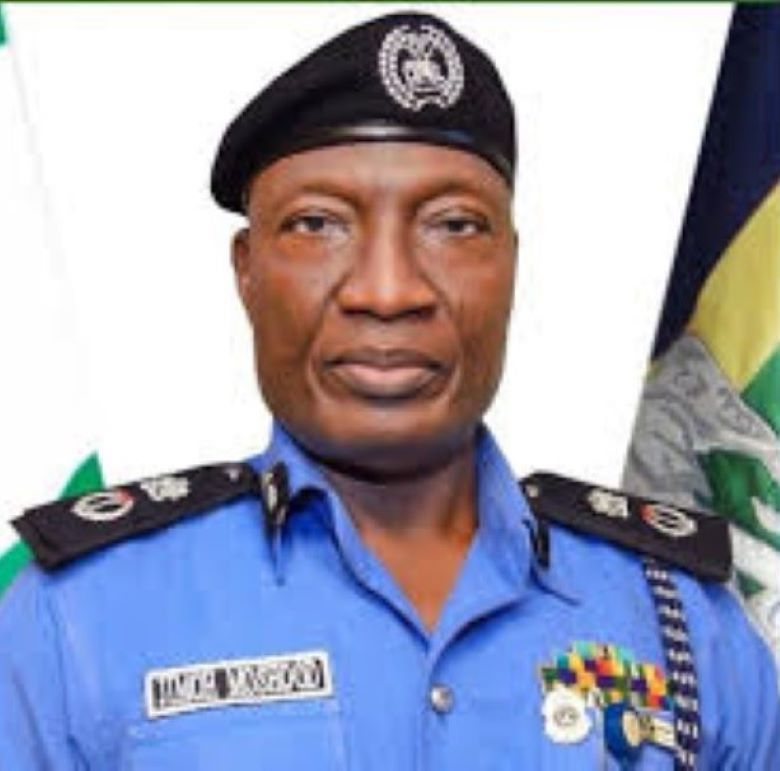
The participation of the Assistant Inspector-General of Police in charge of Zone 2 Command, Olohundare Moshood Jimoh, at the just-concluded Conference and Retreat for Senior Police Officers, CARSPO 2026, in Owerri offers an important opportunity to translate the conference’s national election-security agenda into practical measures for Lagos and Ogun states.
CARSPO 2026 was specifically convened around the theme, “Developing a Nigeria Police Roadmap for Effective Management of Security During Elections,” with deliberations covering intelligence-led policing, police-community partnerships, digital technologies, Artificial Intelligence and modern approaches to election security. The conference subsequently produced a roadmap that places intelligence, political neutrality, professionalism, technology, accountability, community partnership and inter-agency coordination at the centre of preparations for the 2027 elections.
For Zone 2, which supervises the Lagos and Ogun State Police Commands, the real significance of the retreat will lie in how these resolutions are adapted to the realities of the zone
Lagos and Ogun present a particularly complex security environment. They combine huge and highly mobile populations, major commercial centres, ports, transportation corridors, densely populated communities, industrial areas and politically active constituencies.
Election security in such an environment requires more than the deployment of personnel on election day. It requires advance intelligence, disciplined planning, reliable communication, rapid response and the ability to identify emerging threats before they escalate.
This is where the CARSPO experience can become especially relevant to AIG Jimoh’s leadership of Zone 2.
The first requirement must be absolute political neutrality.
The Inspector-General of Police, IGP Olatunji Rilwan Disu, made political neutrality one of the central pillars of election security at CARSPO 2026, stressing that police officers must remain loyal to the Constitution, the law and the Nigerian people rather than to political parties, candidates or other political interests.
The Force also resolved to strengthen the training of election-duty personnel on political neutrality, professionalism, conflict prevention, human rights and operational protocols.
For Zone 2, this principle has to move beyond policy documents into everyday command culture.
Police personnel deployed during the electoral cycle must be seen to treat competing political interests according to the same rules and standards. Their actions, particularly during rallies, protests, campaign activities, election-day operations and the post-election period, should be guided by law and professional duty rather than political affiliation. Discipline and accountability therefore become indispensable safeguards for public confidence.
Indeed, AIG Jimoh had already convened a Zone 2 election-security training involving senior officers from Lagos and Ogun, with emphasis on professionalism, neutrality, collaboration and operational preparedness ahead of the elections. Election Security: Lagos, Ogun CPs, Area Commanders Join AIG Jimoh, Others for Training on Neutrality, Professionalism
CARSPO 2026 provides an opportunity to deepen that process. Taking AI and Digital Intelligence to the Field
Another important lesson from CARSPO is the growing place of technology in modern policing.
The Force resolved to accelerate the transition to smart, digital and intelligence-led policing by digitising processes, integrating relevant data systems and deploying Artificial Intelligence for investigations, crime analysis, threat detection and operational decision-making.
The adopted roadmap also provides for the digitisation and secure maintenance of relevant election-security data in a central database
For Zone 2, the nextstep should be exploring how these ideas can become part of everyday operational preparedness.
AI and digital data intelligence could support the collation and analysis of information on security incidents, emerging flashpoints, suspicious patterns, violent crime trends and election-related threats. Properly governed data systems could also help commanders develop a clearer operational picture and allocate personnel and resources more efficiently.
Technology, however, should remain an aid to professional judgement rather than a substitute for it. The CARSPO resolutions themselves recognised the need for data-protection safeguards, supervisory review and audit in the deployment of such technologies.
The objective should therefore be a Zone 2 policing architecture in which intelligence moves faster, information is properly analysed, commanders have timely situational awareness and operational decisions are supported by credible data.
Strategic Communication Will Matter. Election security is also a communication challenge. Rumours, misinformation, inflammatory statements and unverified claims can quickly create tension, especially in an environment where information spreads rapidly through social media and other digital platforms. CARSPO discussions recognised the importance of communication, technology-driven situational awareness and responsible engagement with communities and stakeholders.
For Zone 2, strategic communication should therefore become an operational tool rather than an afterthought.
The command will need effective media relations capable of providing timely, accurate and credible information during periods of tension. Police public-relations structures must be sufficiently integrated into operational planning so that verified information reaches the public quickly, while false narratives are addressed with facts rather than emotion.
AIG Jimoh’s experience engaging the media is also relevant. He has publicly argued that constructive criticism can help strengthen public institutions and called for stronger cooperation between journalists and security agencies.
A professional relationship with the media can assist Zone 2 in explaining security measures, clarifying incidents, managing public expectations and building confidence during the electoral cycle.
The CARSPO resolutions call for the use of historical data, current intelligence and post-election reviews to identify electoral flashpoints, anticipate threats and continuously update operational plans.
They also provide for stronger inter-agency coordination through joint threat assessments, exercises, common reporting standards, interoperable communication systems and coordinated rapid-response mechanisms.
This creates room for Zone 2 to develop a comprehensive early-warning and early-response mechanism tailored to Lagos and Ogun.
Such a system could integrate information from police formations, communities, intelligence structures, relevant government institutions and other security agencies. The objective would be to identify potential threats early enough for commanders to intervene through dialogue, preventive deployment, community engagement or other lawful measures before situations deteriorate.
Community Partnerships Must Remain/ No security roadmap can succeed through police deployment alone.
CARSPO 2026 placed considerable emphasis on police-community partnerships, recognising communities as important partners in intelligence gathering, conflict prevention and public safety.
For Zone 2, this should translate into stronger engagement with traditional institutions, religious leaders, youth organisations, transport unions, business associations, professional bodies, civil-society groups, community leaders and other stakeholders.
The experience of Zone 2 already points in this direction. AIG Jimoh has urged young people to partner with the Police to combat criminality, while stressing accountability, human rights, inclusiveness and community partnership.
Ahead of 2027, these relationships can become part of a structured early-warning network, allowing credible information from communities to reach the appropriate police structures before threats become crises.
Institutional Collaboration Is Essential: The security of an election is bigger than any single command. CARSPO 2026 called for strengthened coordination among relevant institutions, including joint assessments, clearer command responsibilities and coordinated responses. “CARSPO 2026: Police adopt security roadmap for 2027 elections
Zone 2 will consequently need sustained institutional cooperation with the Independent National Electoral Commission, other security and emergency-management agencies, state institutions, judicial stakeholders, telecommunications and technology partners, community structures and other legitimate stakeholders.
Such collaboration is particularly important in Lagos and Ogun because security challenges often cross administrative and institutional boundaries. Information, intelligence and emergency responses must therefore be capable of moving across those boundaries without unnecessary delays.
The Real Test Is Implementation: Ultimately, the significance of AIG Jimoh’s participation at CARSPO 2026 should not be measured simply by attendance at the conference. The more important question is how effectively the resolutions from Owerri are translated into command-level action in Lagos and Ogun.
IGP Disu, at the close of CARSPO, charged senior officers to cascade the lessons of the conference to deputy commissioners, area commanders, divisional police officers, tactical commanders and other personnel, while strengthening operational planning, intelligence gathering, training and community engagement
That directive gives Zone 2 a clear implementation pathway.
The task ahead is to build on the CARSPO resolutions by embedding political neutrality, discipline, accountability, intelligence-led policing, AI and digital data intelligence, strategic communication, media relations, operational readiness, early-warning systems, community partnerships and institutional collaboration into the daily security architecture of the zone.
The 2027 elections will test not merely the number of officers deployed, but the quality of preparation behind that deployment.
For Zone 2, the Owerri retreat should therefore become a working document—not a conference memory. Its value will ultimately be demonstrated through the ability of the Lagos and Ogun commands to anticipate threats, communicate responsibly, respond professionally and remain firmly anchored to the Constitution and the rule of law throughout the electoral cycle.
Adewole Kehinde is a public affairs based in Abuja. 08166240846. Email: kennyadewole@gmail.com


























You must be logged in to post a comment Login