
Global Issues
How Long Must Africa Wait for Justice at the UN? -By Abdulrashid Sani Gimi
Advancing the African position therefore requires sustained diplomatic engagement, greater continental cohesion and broader international negotiations on the future composition and functioning of the Security Council. Such efforts could help address, and potentially reduce, the longstanding grievances expressed by African leaders concerning the continent’s perceived marginalisation within the global security architecture.


Africa’s lack of permanent representation on the United Nations Security Council (UNSC) has continued to attract renewed attention amid longstanding calls for reform and sustained advocacy by African leaders. Seventeen years after Muammar Gaddafi’s controversial address to the United Nations, which criticised the structure and functioning of the Security Council, African leaders have continued to raise a fundamental question: can the existing global governance system remain dominated by five veto-wielding permanent members while Africa remains without permanent representation on the Council?
Since the 1990s, African leaders have consistently advocated greater and permanent representation on the UNSC. Despite sustained diplomatic efforts, however, the demand remains unresolved. The persistence of the issue reflects a combination of historical, political, geopolitical and institutional factors.
First, the historical structure of the UNSC reflects the international power configuration that emerged after the Second World War. The five permanent members-the United States, Russia, China, France and the United Kingdom-occupy a privileged position within the Council. Africa, despite its demographic, political and strategic importance, has no permanent member. The existing composition has therefore generated sustained calls for reform to make the Council more representative of contemporary geopolitical realities.
Second, resistance to Security Council reform among existing permanent members remains a significant challenge. Expanding permanent membership could alter the distribution of power and influence within the Council, making reform politically sensitive.
Third, differences over the allocation of permanent seats can complicate the reform process. Africa has, however, developed a common position through the Ezulwini Consensus and the Sirte Declaration. The African position calls for no fewer than two permanent seats with the full prerogatives and privileges of permanent membership, including the veto if it continues to exist, alongside five non-permanent seats. The African Union is expected to determine the continent’s candidates for permanent membership.
Fourth, structural inequalities within the international system continue to shape debates over representation and decision-making. The concentration of institutional authority among a small number of powerful states has fuelled calls for a more representative and inclusive system of global governance. Recent UN discussions continue to recognise Africa’s under-representation as a central issue in Security Council reform.
Fifth, competing geopolitical interests can affect collective African diplomacy. Individual African states may prioritise bilateral relationships and strategic interests with major powers, potentially complicating efforts to maintain a unified continental position on Security Council reform.
Finally, institutional constraints constitute a major obstacle. Reforming the composition of the UNSC requires an amendment to the United Nations Charter. Under Article 108, such amendments require adoption by a two-thirds majority of the General Assembly and ratification by two-thirds of UN members, including all permanent members of the Security Council.
Africa’s pursuit of permanent representation on the United Nations Security Council (UNSC) remains constrained by the historical structure of the international system, the politics of institutional reform, competing geopolitical interests and the constitutional requirements governing the United Nations. Advancing the African position therefore requires sustained diplomatic engagement, greater continental cohesion and broader international negotiations on the future composition and functioning of the Security Council. Such efforts could help address, and potentially reduce, the longstanding grievances expressed by African leaders concerning the continent’s perceived marginalisation within the global security architecture.
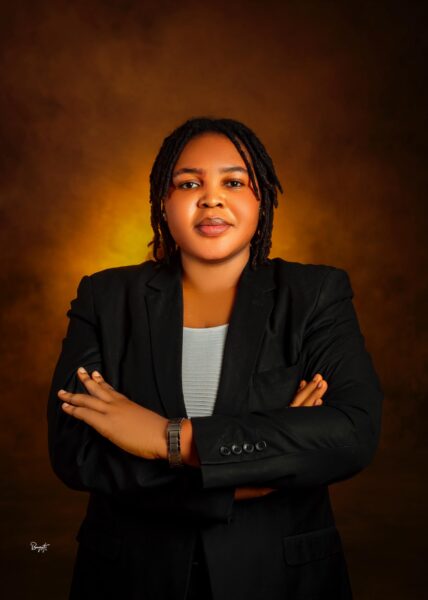
Abdulrashid Sani Gimi, PhD, write from Kaduna State.




















You must be logged in to post a comment Login