Breaking News
Cruz Sparks Storm: “Nigerian Officials Complicit in Killing Christians” as Abuja Pushes Back
A heated international debate erupts after US Senator Ted Cruz accused Nigerian officials of complicity in attacks on Christians during a Senate hearing, prompting sharp rebuttals from former Nigerian officials who dismiss claims of religious genocide and attribute violence to broader insecurity.

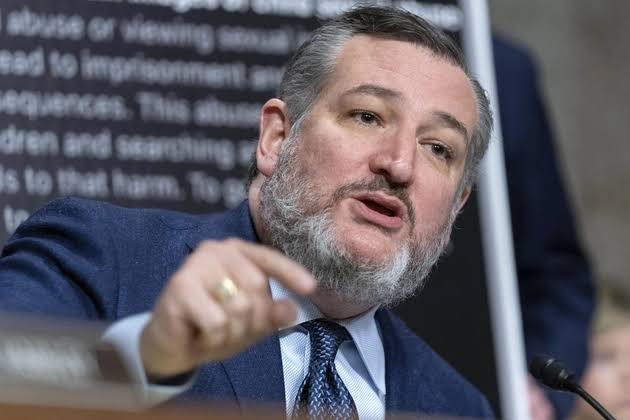
A political storm is brewing after U.S. Senator Ted Cruz accused Nigerian government officials of being complicit in violence against Christians, a claim that has reignited global debate over insecurity in Africa’s most populous nation.
Speaking at a Senate Foreign Relations subcommittee hearing on U.S. counterterrorism strategy in Africa, Cruz alleged that Nigeria has become the country with the highest number of Christian deaths linked to faith-based violence.
Since 2009, he claimed, “more than 50,000 Christians had been killed, while over 20,000 churches, schools and other religious buildings had been destroyed.”
“Nigerian officials had been, unfortunately, complicit in facilitating these atrocities,” Cruz said, delivering one of his most controversial statements yet on Nigeria’s security crisis.
He also criticised what he described as weak enforcement and slow official response, linking parts of the violence to Sharia law practices in northern states.
“I told them I would judge their commitment by the results. Those results have yet to materialise,” he added, recalling past engagements with Nigerian security officials.
Cruz also revealed a new legislative push in Washington — the Nigeria Religious Freedom Accountability Act of 2025 — aimed at holding Nigerian officials accountable over alleged involvement in attacks on Christians.
But U.S. State Department official Nick Checker pushed back with a more cautious assessment, saying there had been “positive movements” in Nigeria’s security response.
“We’ve seen some positive movements, including leadership changes in Nigerian security services, recruitment of additional troops, and deployment of forest guards to areas affected by violence,” he said, adding that cooperation between both countries remained active.
Still, he admitted, “We’ve seen positive steps by the Nigerians, but certainly more can be done.”
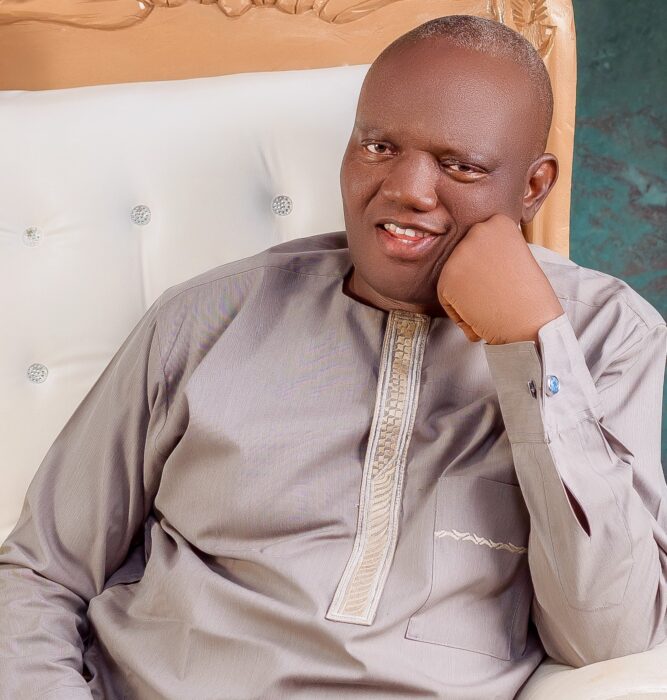
Back in Europe, former Nigerian Information Minister Lai Mohammed strongly rejected the narrative of Christian persecution, calling it “fake news” during a student engagement in Cambridge.
“There should be more understanding on the part of the developed world… It’s not true. It is fake news,” he said.
Mohammed argued that Boko Haram’s violence is not religiously targeted, insisting early victims were largely Muslims.
“At the beginning, the victims of Boko Haram were largely Muslims, not Christians… Boko Haram started as a revolt by extreme Muslims against conventional Muslims like me,” he said.
He further dismissed claims of religious motivation in banditry, describing it as criminal activity within the same communities.
“The bandits are Muslims, they are Hausa-Fulanis. Their victims are Muslims… So how can you now talk about religion? It has nothing to do with religion,” he said.
As competing narratives intensify — one focusing on alleged religious persecution, the other on broader insecurity — Nigeria once again finds itself at the centre of an increasingly globalised information and political battle.
Africans Angle News