Africa
Empowering Young Women: The Case for Trusting Female Adolescents to Make Their Own Decision at 18 -By Okoye Maryann

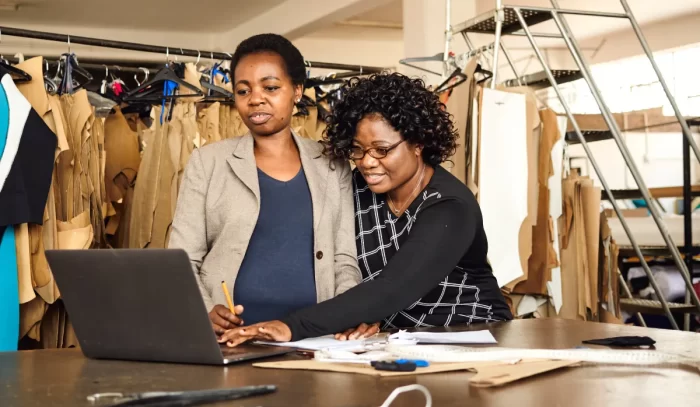
In a world where the dialogue surrounding autonomy and empowerment for young women is more critical than ever, the question arises: when is it appropriate for parents to allow their female children to make their own decisions? As society evolves, more young women are stepping into adulthood with confidence and clarity, and at 18 years old, it is imperative that parents recognize and respect their burgeoning independence.
Recent surveys indicate a growing trend of parents granting their adolescent daughters greater freedom in decision-making. According to a study from the National Bureau of Economic Research, nearly 70% of parents of 18-year-old daughters believe that acknowledging their daughters’ autonomy is essential for personal development and resilience. Support from parents can play a crucial role in helping young women navigate the complex landscape of adulthood, from educational pursuits to personal relationships and career choices.
At 18, young women are legally recognized as adults, yet the challenge remains for many parents to adjust their mindset to this new reality. The transition from childhood to adulthood is not just biological; it involves psychological and emotional growth. For many young women, this is a critical period where they begin asserting their identities and beliefs, often leading to essential life decisions that reflect who they are and what they want to become.
In communities around the world, the transition from childhood to adulthood is often marked by significant milestones. One such milestone is turning 18, a moment that signifies the legal transition into adulthood and the assumption of various rights and responsibilities. In many cultures, this age comes with an expectation that young adults will begin making their own decisions about their lives—especially for women, who have historically faced societal pressures and restrictions.
Recent discussions surrounding the topic have highlighted the importance of allowing young women to exercise autonomy as they reach this pivotal age. With the hashtag #SheIs18 trending on social media, advocates are calling for parents and guardians to support their daughters in making independent choices about education, relationships, and future career paths.
At 18, young women are legally recognized as adults, yet many still find themselves navigating the complexities of parental expectations and societal norms. The reality is that empowering young women to make their own choices fosters confidence, resilience, and a sense of responsibility.
“Allowing young women to express their choices—be it in selecting a college, pursuing a career, or even deciding who they want to date—is crucial for their personal development,” says Dr. Emily Chang, a developmental psychologist specializing in adolescent studies. “When parents trust their daughters to make important decisions, it instills a sense of self-esteem and independence that can shape their futures.
Cultural attitudes towards young women making their own decisions are evolving. In many parts of the world, generations of restrictive norms surrounding female autonomy are being challenged. As more women take the helm in various fields—politics, business, science, and the arts—society is increasingly recognizing the value of diverse voices and perspectives.
Yet, there are still barriers. Some parents may hesitate to relinquish control, guided by traditional beliefs about gender roles or the fear that their daughters may make choices they view as misguided. However, experts argue that a supportive approach, one that includes open dialogue and mutual respect, can lead to healthier family.