Africa
Fantastically Corrupt Public Office Holders: Nigeria’s Enduring Crisis -By Richard ODUSANYA
Omoyele Sowore and other activists are right to keep corruption in the spotlight. But the fight can not be left to a few voices — it must be a collective demand. Only then can Nigeria move from the shame of being “fantastically corrupt” to the pride of being fantastically accountable.

Transparency International’s 2024 Corruption Perceptions Index gave Nigeria a score of 26/100, ranking us 140th out of 180 countries. In simple terms, Nigeria is still seen as one of the world’s most corrupt nations. This is not just an image problem — it is a national emergency that erodes trust, weakens democracy, and cripples development.
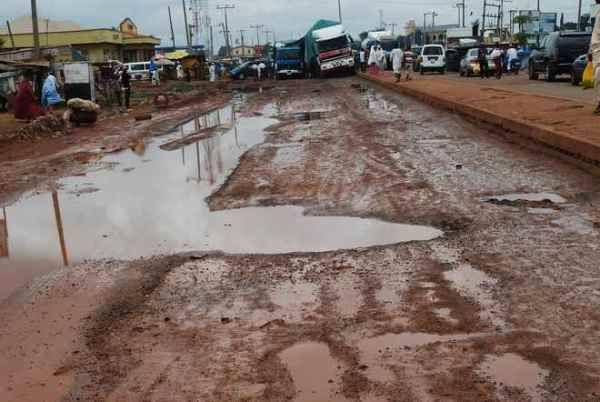
Corruption, the abuse of entrusted power for private gain, is Nigeria’s most persistent virus. It manifests in petty bribes, inflated contracts, ghost workers, and the outright looting of public resources. Its impact is devastating: hospitals without medicines, schools without teachers, and roads that collapse after a single rainy season. It distorts our politics, deepens poverty, and widens inequality.
The Hidden Costs of Corruption
The economic consequences are staggering. Corruption reduces tax revenues, discourages investment, and misallocates resources away from essential sectors like health and education. It undermines private enterprise, stifles job creation, and locks millions into poverty.
Socially, the poor and vulnerable bear the heaviest burden. Basic services cost more and deliver less. Justice is sold to the highest bidder. In times of national emergency — from pandemics to natural disasters — stolen relief funds translate directly into needless suffering and, sometimes, death.
At its core, corruption also destroys trust. Citizens lose confidence in leaders and institutions, creating fertile ground for division, agitation, and even violence. Over time, a society that normalizes corruption begins to unravel at its seams.
A Borderless Problem
In today’s digital era, corruption is no longer a local affair. Stolen wealth flows easily across borders into secret bank accounts, luxury properties, and shell companies. Nigeria loses billions annually to illicit financial flows, aided by international enablers who launder the loot. This makes corruption a transnational challenge requiring both domestic reform and international cooperation.
The Way Forward
Nigeria is not doomed to remain “fantastically corrupt,” as former UK Prime Minister David Cameron once quipped. But breaking the cycle requires more than outrage: it demands systemic change:
Transparency by Default: Budgets, contracts, and procurement processes must be open and trackable by citizens.
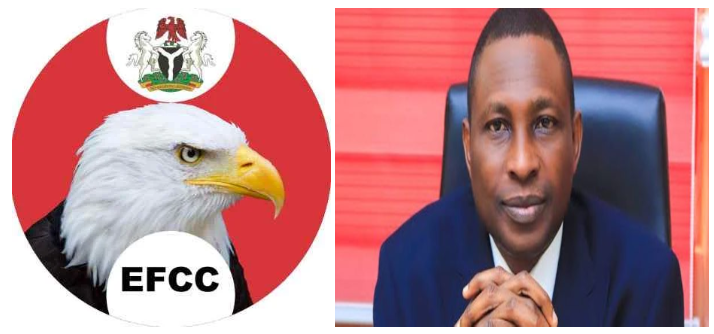
Independent Institutions: Agencies like the EFCC, ICPC, and Auditor-General need true autonomy, free from political interference.
Technology as Shield: Digital payments, e-procurement, and biometric systems can cut off opportunities for human manipulation.
Civic Action: Citizens, journalists, and civil society must refuse to normalize corruption — exposing scandals like “Wikegate” and demanding accountability.
Global Partnerships: Foreign governments and financial institutions must stop providing safe havens for stolen Nigerian wealth.
Conclusion
Corruption is not a cultural inevitability. It is enabled by systems designed to protect the corrupt and punish whistleblowers. Changing this narrative is possible, but it requires political courage, institutional reform, and citizen vigilance.
Omoyele Sowore and other activists are right to keep corruption in the spotlight. But the fight can not be left to a few voices — it must be a collective demand. Only then can Nigeria move from the shame of being “fantastically corrupt” to the pride of being fantastically accountable.
Richard ODUSANYA is a Public Affairs Analyst and Good Governance Advocate