Africa
Freedom is Not Free, by Ezinwanne Onwuka


“Freedom! It sounds so good. Everybody wants freedom. Ethnic groups, social groups, religious groups. Children, youth, adults. All want the right to determine their own lives and make their decisions without guidance or interference from anyone else,” wrote Dr Myles Munroe in Maximizing Your Potential: The Keys to Dying Empty (1992). The late evangelist continued, “It should not surprise us, then, that many common phrases express this craving for freedom: freedom of the press, freedom of choice, freedom of religion, freedom of speech. All reveal the universal longing to be unencumbered by the dictates and the decisions of others.”
As appealing and desirable as the concept of freedom sounds, is this notion of absolute freedom “to be unencumbered by the dictates and the decisions of others” truly possible? Can we be entirely free? The answer, unfortunately, is no. Nothing is free, not even in Freetown, as they say.
On 10th December, the world marked Human Rights Day, celebrating the adoption of the Universal Declaration of Human Rights (UDHR). This year’s theme, “Our Rights, Our Future, Right Now,” is a powerful reminder of humanity’s collective commitment to the inalienable rights of human persons and the need to safeguard these rights. This is in line with Article 1 of the Universal Declaration of Human Rights: “All human beings are born free and equal in dignity and rights. They are endowed with reason and conscience and should act towards one another in a spirit of brotherhood.”
It is, therefore, an incontestable fact that freedom is precious, but we are not entirely free. Jean-Jacques Rousseau, a Swiss writer and political philosopher, already made it clear two and a half centuries ago that “Man is born free, but everywhere he is in chains,” letting us know that while humans are naturally free, the structures of society, such as laws and social institutions, impose restrictions that limit this freedom.
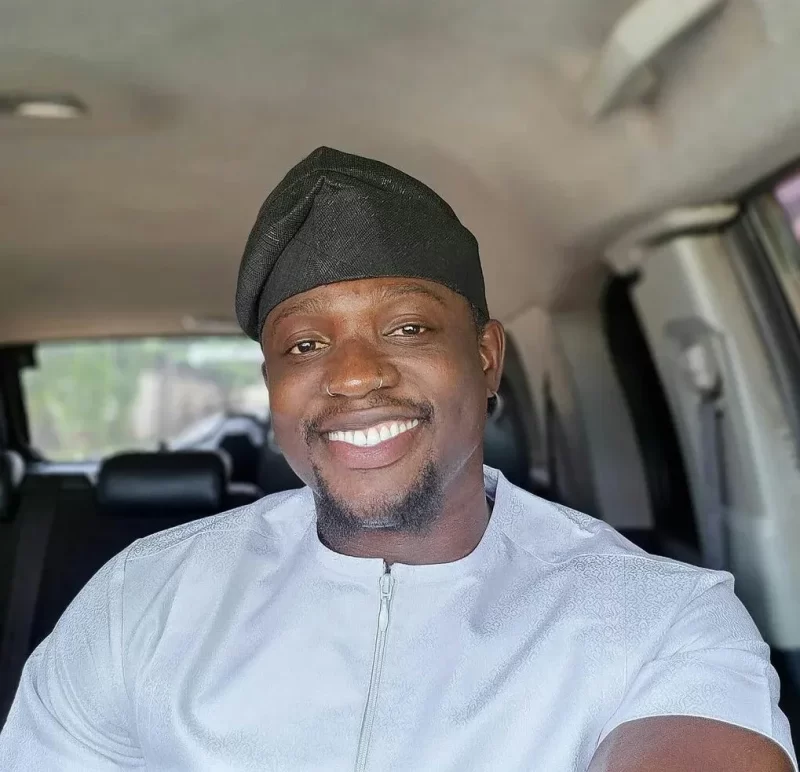
Recent events involving Dele Farotimi and Speed Darlington are notable cases that tell us that freedom is subject to limitations and restrictions. Dele Farotimi, a lawyer and human rights activist, was arrested and detained for making statements deemed defamatory about Afe Babalola and some other prominent legal minds as captured in his bestselling book, Nigeria and Its Criminal Justice System. Similarly, musician Speed Darlington’s detention over accusations that Burna Boy, one of Nigeria’s top artistes, had a sexual relationship with American music mogul P. Diddy to win his 2021 Grammy award illustrates the consequences of misusing the freedom of speech. While Farotimi’s and Darlington’s claims sparked public gossip, they also bordered on defamation and libel as Afe Babalola and Burna Boy risked damage to their hard-earned reputation and career over unverified accusations.
Freedom of speech empowers people to express opinions without fear, but it does not permit unverified or harmful statements that damage reputations. Like other rights, freedom of speech comes with responsibilities. It allows individuals to speak truth to power and demand accountability but this freedom is not without limits. Laws regulating libel, slander, and hate speech are examples of restrictions on freedom of expression.
Beyond speech, other rights operate within similar boundaries. Take press freedom as an example. The media is at liberty to report and shape public opinion, but this right is regulated to prevent sensationalism and misinformation. Likewise, freedom of religion guarantees the right to worship, yet this freedom is not a ticket to impose one’s faith on others, violate laws or harm others under the guise of religious expression. Even freedom of movement is curtailed when necessary for public safety or national security.
If by now, you are already thinking that freedom is a double-edged sword, you are absolutely right. On one hand, it amplifies voices and on the other hand, it amplifies harm. Notably, the boundary between exercising one’s rights and violating others’ rights is thin. What starts as “freedom of expression” can quickly morph into character assassination, which is why to every right or freedom, there is a corresponding duty. As the popular saying goes, “The rights of one person end where the rights of another begin.” This often thrown-about statement implies that freedom is not absolute.
There is no doubt that the universality of fundamental human rights is undeniable, but so is their regulated nature. The International Covenant on Civil and Political Rights (ICCPR), which Nigeria has ratified, recognises the right to freedom of expression but also acknowledges that this right can be limited. Article 19(3) of the ICCPR states that freedom of expression can be limited to respect the rights or reputations of others or to protect national security, public order, public health, or morals.
In Nigeria, the Constitution guarantees freedom of expression, but this right is also subject to limitations. Section 39(1) and (2) of the 1999 constitution (as amended) gives citizens the right to freedom of expression, including to hold opinions and to impart ideas and information without interference, as well as to own, establish, and operate any medium for the dissemination of information, ideas, and opinions. However, Section 39(3) restricts this freedom by a law reasonably justifiable in a democratic society, for the purpose of preventing the disclosure of information received in confidence, or for the purpose of maintaining the authority and independence of the courts.
So, as we continue to reflect on this year’s Human Rights Day, let us remember that rights are both personal and collective. While we celebrate the strides made in protecting human rights and advocate for the safeguarding of fundamental rights, let us not lose sight of the responsibilities tied to them. Dele Farotimi and Speed Darlington’s experiences are cautionary tales, reminding us to exercise rights responsibly.
Ultimately, nothing is free, and with great freedom comes great responsibility.
—
Ezinwanne Onwuka writes from Abuja via ezinwanne.dominion@gmail.com.