Africa
From Fame to Philanthropy: Burna Boy’s Lifeline Transforming Lives –By Matthew Ma
Burna Boy’s efforts to assist prisoners and those unwell extend beyond mere celebrity charity and temporary goodwill. His initiative to aid in the release of individuals held for minor fines and to alleviate the financial burden of vulnerable patients’ medical expenses underscores the human toll of institutional neglect while offering immediate relief to those affected. Furthermore, it challenges entrenched perceptions of the artist, reminding us that genuine generosity need not be loud, performative, or transactional.

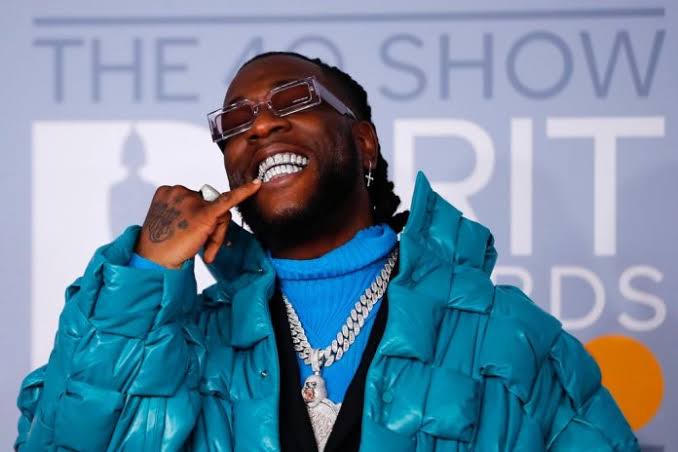
For several years, Burna Boy, the acclaimed Afro-fusion artist, has been the subject of public scrutiny from various segments of Nigerian society. Critics have painted him as somewhat aloof and reluctant to engage in philanthropy or give back to his community. This perception has persisted mainly because of a lack of visible charitable endeavors on his part, especially compared to some of his peers in the music industry, who frequently share their philanthropic activities on social media. Rather than directly addressing these accusations, Burna Boy has often opted for silence, which, unfortunately, has allowed the narrative surrounding his alleged unwillingness to support his community to continue and grow.
A notable shift in the ongoing conversation occurred recently when Burna Boy made a $100,000 donation to activist VeryDarkMan (VDM). What was the purpose of this donation? The significant contribution is specifically aimed at covering the fines of individuals who have been unjustly incarcerated and assisting with medical expenses for those in dire need. The decision by Grammy-winning artist Burna Boy to gift this amount to VDM to pay prisoner fines and hospital bills has left many Nigerians in awe. Beyond the attention-grabbing nature of the donation, this gesture prompts crucial questions about responsibility, citizenship, and the role of influential figures in addressing systemic social shortcomings.
Nigeria’s prisons and public hospitals have long been plagued by significant structural deficiencies. Across the country, prisons are overcrowded not only with convicted offenders but also with thousands of detainees held for minor offenses due to their inability to pay fines or access legal representation. Likewise, hospitals frequently detain patients—including women in labor and accident victims—over unpaid bills, transforming healthcare into a punitive experience for those who are poor. These troubling realities persist not because solutions are unknown, but because of a lack of political will and sustained funding.
Burna Boy’s intervention should be viewed within this context. His donation goes beyond mere charity; it serves as a recognition of a fractured system and an attempt to alleviate its most apparent human repercussions. Recognizing the limitations of his ability to effect change single-handedly, Burna Boy understood the necessity of collaboration. He sought out someone who possesses the integrity and capability to implement change effectively on his behalf. Thus, he entrusted the allocated funds to VeryDarkMan, renowned for his unwavering commitment to grassroots advocacy and social accountability initiatives. This decision exemplifies a vital and emerging trend: an increasing dependence on informal civic actors who, despite lacking formal institutional power, are often essential in navigating bureaucratic obstacles and providing direct assistance to those in critical need. Burna Boy’s actions not only reflect a growing discontent with conventional systems but also highlight the pivotal role individuals like VeryDarkMan play in bridging the gap between resources and the communities that require them most urgently.
Critics often argue that celebrity philanthropy is episodic and insufficient for addressing underlying issues. This criticism has merit; no single donation, however large, can reform the criminal justice system or resolve Nigeria’s healthcare financing challenges. However, it would be intellectually disingenuous to overlook the tangible impact such contributions have on real lives. For those trapped in prison due to minor fines or patients unable to leave hospital wards because of unpaid bills, immediate relief is not merely symbolic; it is genuinely transformative.
The gift from Burna Boy highlights issues often overlooked, prompting difficult conversations about why citizens rely on entertainers and activists to provide services the State should guarantee. Every time I watch the news, it seems almost routine to hear about a politician or a state governor donating a luxury car to a traditional ruler or a political ally. These events are often celebrated, covered extensively, and presented as gestures of goodwill and support within the community. However, what remains conspicuously absent from this narrative is any mention of these same leaders addressing the plight of prisoners who cannot afford to pay their fines. It makes me wonder why the State has not taken it upon itself to address such a fundamental issue, instead leaving it to the benevolence of celebrities and philanthropists.
This recurring scenario raises questions about priorities and governance. Philanthropy has almost become a subtle form of protest against systemic shortcomings, highlighting significant gaps in government responsibility without resorting to loud slogans or demonstrative placards. Individuals with wealth and influence step in to fill the void left by state inaction, often pointing out that the fundamental needs of the most vulnerable in society are overlooked. Their charitable acts serve not only to alleviate immediate suffering but also to shed light on governance deficiencies, emphasizing that commitment to community welfare should be an inherent responsibility of leadership, not solely the domain of the affluent.
The cultural implications of this trend are significant and multifaceted. In contemporary Nigeria, young people increasingly turn to public figures—celebrities, social media influencers, and industry leaders—not just for entertainment but also for guidance on moral and ethical decisions. This shift reflects a desire for role models who embody values of integrity, compassion, and social responsibility. When prominent figures leverage their influence to support and uplift vulnerable segments of society rather than merely showcase a lifestyle of excess and materialism, it contributes to a fundamental recalibration of social values. This positive use of influence resonates deeply, promoting the notion that genuine success transcends the pursuit of personal comfort and commercial gain. It reinforces the idea that those who achieve prominence and wealth carry a responsibility to give back and support their communities.
As these narratives take hold, they encourage a culture that celebrates altruism and social engagement, thereby fostering a generation that values collective well-being over individualistic pursuits. Ultimately, this approach helps cultivate a more empathetic society, where the triumphs of successful individuals are measured not solely by their personal achievements but by their contributions to the greater good.
While it is commendable to recognize and appreciate acts of generosity, it is crucial to ensure that these gestures do not replace necessary institutional reforms. Public praise for charitable giving must never undermine the urgent demand for accountability from those in power. Governments at all levels — local, state, and federal — must grapple with the deep-rooted structural issues that lead to humanitarian crises in the first place. These issues include slow and inefficient judicial processes that fail to deliver timely justice, a lack of adequate legal assistance for those in need, underfunded healthcare systems that cannot effectively meet the needs of their populations, and policies that unjustly criminalize poverty instead of addressing its root causes. In this landscape, philanthropy should serve to enhance and support governance efforts rather than be seen as a substitute for them. Charitable actions must be viewed as part of a broader strategy aimed at systemic change, ensuring that the pursuit of social justice is prioritized alongside acts of kindness.
Burna Boy’s generous gesture towards VeryDarkMan exemplifies a poignant intersection of fame and social responsibility. While it does not resolve Nigeria’s ongoing crises in the prison or healthcare systems, it serves as a reminder that compassion, coupled with influence, can yield immediate and tangible benefits. The challenge moving forward is to transform this moment into sustained civic activism, assuring that, one day, freedom from unlawful detention and access to healthcare are upheld not by the benevolence of celebrities, but as inherent rights of all citizens.
Finally, Burna Boy’s efforts to assist prisoners and those unwell extend beyond mere celebrity charity and temporary goodwill. His initiative to aid in the release of individuals held for minor fines and to alleviate the financial burden of vulnerable patients’ medical expenses underscores the human toll of institutional neglect while offering immediate relief to those affected. Furthermore, it challenges entrenched perceptions of the artist, reminding us that genuine generosity need not be loud, performative, or transactional.
However, a more profound lesson extends beyond Burna Boy himself. A society in which freedom and healthcare hinge on the intervention of entertainers and activists urgently needs to reassess its priorities. While this donation is commendable, it should also inspire ongoing public pressure on authorities to reform a justice and healthcare system that too frequently punishes the impoverished. Until such reforms are held, acts of kindness like this will remain essential—but they should never be considered the norm. Burna Boy’s intervention has illustrated how influence can be translated into compassion. The responsibility now lies with governments and institutions to ensure that access to care is not a privilege bestowed by goodwill, but a right guaranteed to every citizen.
Rev. Ma, S. J., is a Jesuit priest and a public policy analyst. He currently writes from Abuja, Nigeria.