Africa
How Government Policies and Economic Structures Shape Business Realities in Nigeria -By Kator Ifyalem
Despite these challenges, there are signs of progress. World Bank’s May 2025 Nigeria Development Update reports that recent reforms have improved macroeconomic stability. Economic growth reached 3.4% in 2024, the highest in a decade (excluding the post-COVID rebound), and fiscal revenues surged, shrinking the deficit from 5.4% to 3.0% of GDP. The Dangote’s Refinery is expected to reduce fuel import dependence, and tech startups continue to attract significant investment, with $160 million raised in Q1 2024.


The Speaker of the House of Representatives, Abbas Tajudeen, recently sounded the alarm over a troubling trend: more than 75% of goods destined for Nigeria are now being offloaded in the Benin Republic, rather than at Nigerian ports. Speaking to the Presidential Enabling Business Environment Council (PEBEC), he attributed this shift to administrative bottlenecks and inefficiencies at Nigerian borders, warning that the country is losing significant revenue to neighbouring countries due to these challenges. This concern highlights a broader issue: how government policies, formal and informal economic structures, and regulatory environments are affecting businesses across the country.
According to the World Bank’s Doing Business report, Nigeria currently ranks 131 out of 190 countries for ease of doing business, a position that reflects both ongoing reforms and persistent structural issues. In 2024, businesses grappled with monetary policy tightening, foreign exchange volatility, high inflation, and shifting regulatory frameworks. The Central Bank’s Monetary Policy Rate (MPR) jumped from 18.75% to 27.25%, making credit more expensive and less accessible, while rising fuel and electricity prices further squeezed operating margins.
Customs policy changes and forex constraints have disrupted supply chains, forcing many businesses to reroute imports through neighbouring countries like Benin, as Speaker Abbas highlighted. These disruptions increase costs and undermine the competitiveness of the country as a regional trade hub.
In recent regulatory reforms aimed at improving the business climate, the Corporate Affairs Commission (CAC) has delisted dormant companies and introduced stricter compliance requirements for banks. The Federal Competition and Consumer Protection Commission (FCCPC) has also ramped up oversight, fining global firms and investigating unfair practices to protect consumers. While these are ongoing, the National Data Protection Commission (NDPC) now requires businesses processing significant volumes of personal data to register, aligning with global standards.
On the labour front, the Minimum Wage Amendment Act 2024 doubled the minimum wage to ₦70,000 per month, and while the controversial Expatriate Employment Levy was suspended after backlash, these shifts reflect attempts by the government to balance business needs with social welfare.
The Federal Ministry of Industry, Trade and Investment (FMITI) has also outlined a roadmap for 2025 focused on economic diversification, trade revenue growth, and investment mobilization. Plans include strengthening the ease of doing business, rehabilitating export zones, and leveraging technology and intellectual property protection to boost competitiveness.
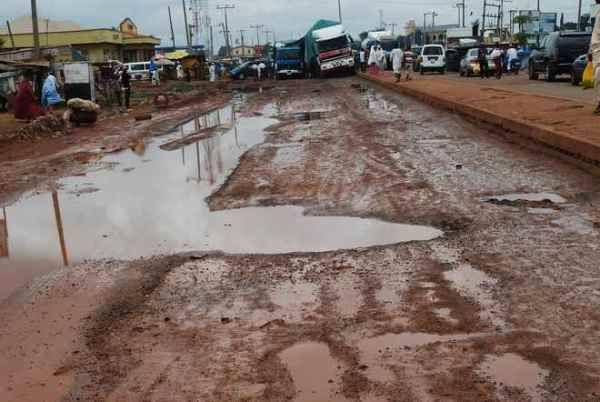
The economic structure of the country is sharply divided between the formal and informal sectors. The informal sector, comprising street vendors, artisans, and small scale traders, accounts for about 80% of employment and over 40% of GDP. Despite its size, the informal sector faces significant hurdles: high operating costs, unreliable infrastructure, and limited access to finance. According to Moniepoint’s 2024 Informal Economy Report, only 1.3% of informal businesses make more than ₦2.5 million in monthly profit, with most earning less than ₦250,000. High costs, poor infrastructure (only 55% of roads are paved, frequent power outages), and lack of access to formal financial services all contribute to this struggle.
Formal businesses, meanwhile, are weighed down by complex regulations, high compliance costs, and bureaucratic red tape factors that drive many entrepreneurs into the informal sector to avoid these burdens. This creates an uneven playing field and stifles the growth potential of both sectors.
Economic Outlook: Despite these challenges, there are signs of progress. World Bank’s May 2025 Nigeria Development Update reports that recent reforms have improved macroeconomic stability. Economic growth reached 3.4% in 2024, the highest in a decade (excluding the post-COVID rebound), and fiscal revenues surged, shrinking the deficit from 5.4% to 3.0% of GDP. The Dangote’s Refinery is expected to reduce fuel import dependence, and tech startups continue to attract significant investment, with $160 million raised in Q1 2024.
To truly unlock the economic potential of the country, we need to bridge the gap between the formal and informal sectors. This requires simplifying regulations and reducing bureaucratic barriers to encourage more businesses to formalize; investing in infrastructure, especially electricity, roads, and ports, to lower operating costs and improve efficiency; expanding access to finance for small businesses, both formal and informal, to enable growth and job creation; strengthening social protection for informal workers, ensuring they have access to healthcare, pensions, and insurance; and leveraging technology and digitalization to drive innovation, transparency, and inclusion across all sectors.
The government must consider comprehensive reforms in addition to ongoing efforts that are already yielding some positive results. Addressing regulatory bottlenecks, supporting the informal sector, and investing in critical infrastructure will be essential to ensure that the vast entrepreneurial potential translates into broad based prosperity for all.