Africa
How Wizkid’s Silence Empowered Toxic Fandom In The Online Feud With Seun Kuti -By Isaac Asabor
Wizkid’s silence did not create the feud with Seun Kuti, but it undeniably empowered toxic fandom within it. In the digital age, influence unmanaged is influence abused. Celebrities may not control their fans, but they shape the moral climate in which those fans operate.

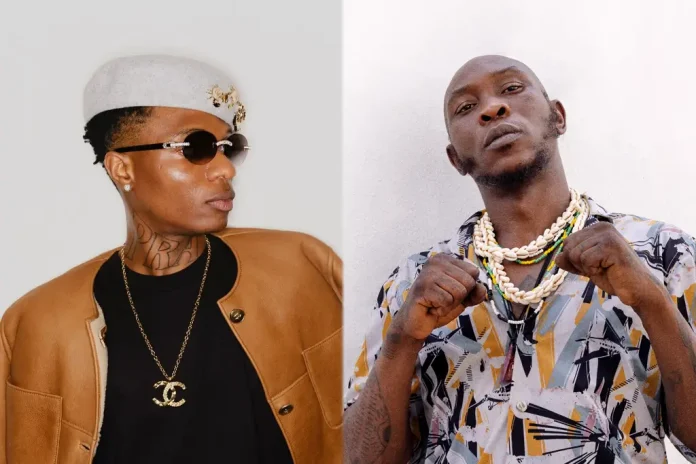
There comes a point in every public controversy when the real issue is no longer what was said, but what was not said. The ongoing online feud involving Wizkid, Seun Kuti, and the wider Fela fan base has long crossed that threshold. What began as a disagreement between two public figures degenerated into a toxic fandom war largely because one of Africa’s most influential pop stars failed to do the one thing only he could do: call his fans to order.
This is not about musical taste. It is not about who has more global streams or who carries a heavier ideological legacy. It is about responsibility in the age of digital fandom, and how silence from the top can legitimize excesses at the bottom.
Wizkid today is not merely an artist. He is a cultural force with millions of fiercely loyal followers who hang on his words, moods, and perceived slights. In such a setting, every public comment, every jab, and every prolonged silence carries weight. When Wizkid chose not to intervene as his fandom went into overdrive against Seun Kuti and, by extension, Fela’s ideological lineage, he effectively ceded moral control of the situation to an online mob. And mobs, digital or otherwise, are never known for restraint.
Disagreements between celebrities are not new. They are part of public life, especially in creative industries where ego, influence, and ideology often collide. What is new, and deeply troubling, is how quickly fandoms now weaponize such disagreements.
In this case, what should have remained a limited exchange of views degenerated into full-blown fan hostility. Wizkid’s followers did not merely defend their idol; many crossed the line into harassment, insults, historical revisionism, and the deliberate misrepresentation of Seun Kuti’s views and Fela’s legacy. Some framed the issue as a crude contest of relevance, reducing decades of cultural and political activism to social media banter.
This is where Wizkid’s silence became consequential. By refusing to publicly draw boundaries, he allowed his fandom to assume that anything done in his defense was justified. Silence, in the emotionally charged ecosystem of parasocial relationships, is rarely neutral. It is often interpreted as approval.
Modern fandom is no longer just about admiration; it is about emotional ownership. Many fans see criticism of their favourite star as a personal attack. They respond not with argument, but with aggression. This is the dark side of parasocial relationships, one-sided emotional bonds that distort judgment and moral reasoning.
When Wizkid’s fans flooded timelines with abuse, misinformation, and mockery, they were not acting independently in their own minds. They believed they were acting for him. That belief alone should have triggered an immediate intervention.
Unchecked parasocial loyalty is dangerous. It convinces ordinary people that decency is optional when defending an idol. It erases nuance. It encourages fans to justify behaviour they would condemn in any other context. And when a celebrity fails to challenge that mindset, it hardens.
There is a persistent myth that aggressive fans are an asset. They are not. Over time, toxic fandom becomes a liability. It shifts attention away from the artist’s work and onto the chaos surrounding them. It makes the celebrity look immature, thin-skinned, or incapable of leadership.
Wizkid’s carefully curated image, aloof, confident, globally focused, and does not align with a fandom perceived as hostile and reckless. Yet perception matters more than intent in public life. When fans act badly and the star says nothing, the public draws its own conclusions.
In many cases, toxic fandom does more reputational damage than the original criticism ever could. People may forget who started an argument, but they rarely forget how ugly it became.
Beyond reputation lies legal and ethical exposure. Fans, emboldened by perceived loyalty, often spread false claims or defamatory statements. In more extreme cases, online harassment spills into doxxing or threats. While Nigeria’s legal system may not yet aggressively police such behaviour, global scrutiny does not stop at national borders.
More importantly, there is a moral dimension. Wizkid’s audience includes young people who are still forming their sense of right and wrong. Watching a celebrity ignore toxic behaviour carried out in his name sends a damaging message: that fame excuses excess, and loyalty justifies abuse. That message is corrosive, not just to pop culture, but to society.
Perhaps the most unfortunate aspect of this episode is how Fela Anikulapo-Kuti’s legacy became collateral damage. Whatever one thinks of Fela, his contradictions, his activism, his excesses, his place in African cultural history is not a joke to be settled by fan insults.
Seun Kuti’s identity is inseparable from that legacy. Attacking him through the lens of fandom rivalry cheapens a serious conversation about music, ideology, and cultural responsibility. It replaces debate with derision.
Wizkid, as a beneficiary of the global African cultural wave Fela helped inspire, should understand this better than most. Allowing fans to reduce that history to online abuse reflects poorly on everyone involved.
Calling fans to order does not mean surrendering one’s voice or apologizing for success. It means recognizing influence and using it responsibly. A single, clear message discouraging harassment and misinformation would have significantly cooled tensions.
Other global stars have done it. Some have openly rebuked their own followers for toxic behaviour. Far from weakening their brand, such actions often strengthen it. They signal maturity, confidence, and moral clarity. Wizkid missed that opportunity.
By staying silent, he allowed the narrative to drift, the hostility to deepen, and the fandom to become the dominant actor in a dispute that should never have left the realm of words.
Public feuds have long memories. Today’s online clash can quietly poison tomorrow’s collaboration. The music industry thrives on alliances, mutual respect, and shared platforms. Brutal public fights, especially those fuelled by fan excess, leave scars that do not easily fade.
More broadly, silence in moments like this contributes to a culture where celebrities enjoy the benefits of influence without accepting its burdens. That imbalance is unsustainable.
Wizkid’s silence did not create the feud with Seun Kuti, but it undeniably empowered toxic fandom within it. In the digital age, influence unmanaged is influence abused. Celebrities may not control their fans, but they shape the moral climate in which those fans operate.
True greatness is not measured only by charts, awards, or global acclaim. It is measured by how power is exercised, how conflict is handled, and whether a star knows when to step in, not to inflame passions, but to restrain them.
In this instance, restraint came too late. And that failure of leadership is the real story behind the noise.