
Education
Education At A Crossroads -By Sunday Jerry
It also creates an unfair social divide that education is supposed to bridge not reinforce.
To fix this, all sides government, parents, teachers, and the public must change their mindset and work together. The government must invest meaningfully in infrastructure and teacher welfare. Parents must judge schools by quality, not reputation. And society must stop promoting harmful generalizations that keep education in chains.

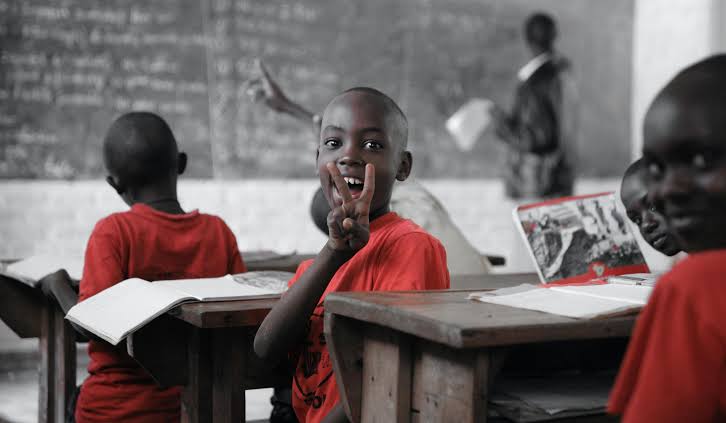
Education at a crossroads: By Sunday Jerry
At the heart of Nigeria’s education lies a dangerous stereotype that divides government and private schools. This division is more than a perception it’s a systematic problem threatening the future of millions of children. The growing belief that government schools are for the less privileged while private schools are the path to success fuels inequality and weakens national development. If left unaddressed, this mentality will damage the country’s education system for generations to come.
The government continues to build and fund public schools, yet top officials send their own children to elite private institutions or abroad. This sends a strong message: even those who run the system do not trust it. How then can ordinary citizens believe in public education? This double standard erodes confidence and credibility, widening the trust gap between leaders and the people they serve.
Teachers in government schools face immense challenges. With low salaries, sometimes as little as ₦30,000 monthly, and zero motivation, many are forced to abandon their roles or remain physically present but mentally checked out. The absence of teaching materials, poor facilities, and a lack of recognition push even dedicated educators to join the private sector or quit entirely.
Children in government schools are the biggest victims. They are taught directly or indirectly that public schools are for dull or less fortunate students. Growing up in an environment where teachers are frustrated and resources are lacking shapes their mindset negatively, affecting confidence, performance, and long-term ambition.
With private education seen as the only way, many parents take on unnecessary financial stress just to avoid public schools. Some go into debt or sacrifice essential needs, all in a bid to offer their children a chance at better learning. But often, the difference in quality is not as wide as believed it’s the stereotype that makes it so.
The brain-drain from public to private schools is real. Qualified teachers leave due to low pay, poor treatment, and lack of growth. This discouragement leads to a cycle of absenteeism, disinterest, and poor classroom outcomes in public schools reinforcing the very stereotype that drives students and parents away.
Public perception continues to label government schools as lesser. This affects how children and parents see themselves, and how they are treated socially. In some communities, attending a government school becomes a mark of inferiority, while private school students are seen as more polished or privileged regardless of actual performance.
When teachers in public schools sit under trees, appear disinterested, or are frequently absent, students internalize that behavior as normal. Over time, this shapes a low-effort, low-expectation culture in the school environment one that is hard to reverse without serious intervention.
Children raised to believe private school equals success will naturally look down on public schools. This mindset damages unity and mutual respect among peers, even at a young age. It also creates an unfair social divide that education is supposed to bridge not reinforce.
To fix this, all sides government, parents, teachers, and the public must change their mindset and work together. The government must invest meaningfully in infrastructure and teacher welfare. Parents must judge schools by quality, not reputation. And society must stop promoting harmful generalizations that keep education in chains.
The divide between government and private schools in Nigeria is more than just an educational issue , it reflects deep social, economic, and systemic flaws. The stereotype that government schools are substandard while private schools guarantee success is not only unfair but damaging to national growth. Until the government shows commitment by investing in public education and leading by example, and until society stops fueling this bias, the crisis will persist. True progress lies in restoring dignity to public schools, supporting teachers, and reshaping public perception. Education should be a bridge not a wall to and every Nigerian child















You must be logged in to post a comment Login