
Forgotten Dairies
The Great Nigerian Oil Mystery: The Billion-Dollar Letter “L”, Missing Trillions, and the Senate’s ₦210 Trillion NNPCL Reckoning -By Daniel Nduka Okonkwo
As hearings continue and pressure mounts for a forensic audit, the outcome of the Senate probe may ultimately determine whether Nigeria’s political and oversight institutions are prepared to confront entrenched opacity within the country’s most strategic public enterprise, or whether yet another scandal will fade into the long history of unresolved financial controversies that have shaped the nation’s oil sector for decades.

Nigeria’s Senate Public Accounts Committee has opened one of the most consequential financial investigations in the country’s recent history, placing the Nigerian National Petroleum Company Limited (NNPCL) under intense scrutiny over what lawmakers describe as “unjustifiable and opaque” discrepancies totaling approximately ₦210 trillion between 2017 and 2023.
The inquiry, led by Aliyu Wadada Ahmed, centers on two major entries contained in the company’s audited financial statements: ₦103 trillion listed as accrued expenses and liabilities, and another ₦107 trillion recorded as sundry receivables. According to the committee, the explanations so far provided by NNPCL management have failed to meet basic standards of transparency, reconciliation, and accountability expected of a state-owned energy corporation operating in Africa’s largest economy.
The Senate committee argues that the ₦103 trillion in accrued expenses was broadly attributed by NNPCL to Joint Venture (JV) Cash Call obligations. However, lawmakers questioned the validity of that explanation, noting that the JV Cash Call framework was officially abolished in 2016. Committee members also criticized what they described as the company’s inability to properly itemize the liabilities into identifiable categories such as legal fees, audit fees, retention obligations, or operational expenditures.
Equally contentious is the ₦107 trillion classified as sundry receivables. NNPCL reportedly informed lawmakers that the figure represented outstanding JV obligations and debts linked to unnamed and allegedly defunct financial institutions. Senators rejected the explanation as unverifiable, arguing that no credible documentation had been submitted identifying the institutions involved, the exact amounts owed, or the legal and financial status of the alleged debts.
For many Nigerians already grappling with inflation, subsidy removal, unemployment, and rising energy costs, the figures have become symbolic of deeper anxieties surrounding public finance management and institutional oversight. The investigation has reignited longstanding concerns about opacity within Nigeria’s oil sector, which remains the country’s largest revenue source despite decades of recurring corruption allegations, audit disputes, and governance controversies.
The Senate committee has now summoned both current and former senior executives of NNPCL, including former Group Chief Executive Officer Mele Kyari and former Chief Financial Officer Umar Ajia, demanding detailed reconciled records and documentary evidence supporting the disputed entries. Lawmakers have also recommended a comprehensive forensic audit of the company’s financial statements under Section 85 of Nigeria’s 1999 Constitution.
Adding to the public controversy is a separate legislative inquiry into NNPCL’s reported ₦5.8 billion, frequently cited in some reports as ₦5.9 billion, expenditure tied to the company’s transition from the Nigerian National Petroleum Corporation (NNPC) to the Nigerian National Petroleum Company Limited (NNPCL). The rebranding exercise, which involved the addition of the letter “L” following the implementation of the Petroleum Industry Act, has drawn widespread criticism from civil society groups and members of the public who question the scale and justification of the expenditure.
During committee proceedings, lawmakers reportedly raised concerns over possible duplication of incorporation-related costs associated with the corporate transition. It is argued that the amount appears excessive given Nigeria’s broader economic challenges and persistent underfunding of essential sectors such as healthcare, education, and infrastructure.
The controversy surrounding the rebranding expenses has further intensified calls for accountability from advocacy organizations, including Socio-Economic Rights and Accountability Project (SERAP), which has urged authorities to conduct a transparent investigation into the approvals, procurement processes, and allocation of funds connected to the expenditure.
Nevertheless, the Senate committee maintains that the burden of explanation lies squarely with NNPCL management. Lawmakers insist that audited financial statements submitted to the National Assembly must contain sufficiently detailed disclosures capable of withstanding public and legislative scrutiny.
The unfolding investigation has become a defining test for Nigeria’s broader anti-corruption architecture and institutional credibility. Beyond the figures themselves, the inquiry raises deeper questions about governance culture, regulatory enforcement, fiscal transparency, and whether public institutions entrusted with managing strategic national assets can be held meaningfully accountable.
At a time when ordinary Nigerians continue to endure severe economic hardship, many citizens view the investigation not merely as a technical accounting dispute, but as part of a larger national conversation about public trust, state accountability, and the persistent perception of impunity within powerful institutions.
As hearings continue and pressure mounts for a forensic audit, the outcome of the Senate probe may ultimately determine whether Nigeria’s political and oversight institutions are prepared to confront entrenched opacity within the country’s most strategic public enterprise, or whether yet another scandal will fade into the long history of unresolved financial controversies that have shaped the nation’s oil sector for decades.
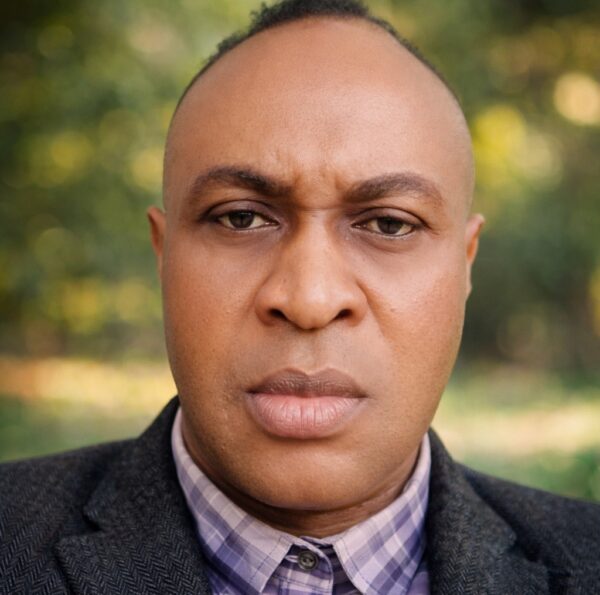
Daniel Nduka Okonkwo is a Nigerian investigative journalist, publisher of Profiles International Human Rights Advocate, and a policy analyst whose work focuses on governance, institutional accountability, and political power. He is also a human rights activist and advocate, with a strong commitment to justice and transparency.
His reporting and analysis have been featured in Sahara Reporters, African Defence Forum, Daily Intel Newspapers, Opinion Nigeria, African Angle, NewsBreak (local.newsbreak.com), Vanguard Newspaper, Daily Trust Newspapers, and other international media platforms.
He writes from Nigeria and can be reached at dan.okonkwo.73@gmail.com.


















You must be logged in to post a comment Login