Breaking News
Insecurity Fuels State Police Push as Leaders Clash Over Risks and Benefits
Rising insecurity intensifies calls for state police in Nigeria, but leaders remain split over risks, safeguards, and constitutional hurdles.

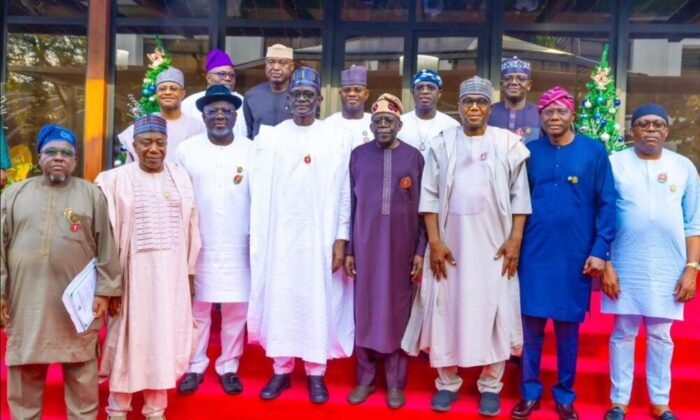
Growing insecurity across Nigeria has reignited calls for state police, with governors and stakeholders sharply divided over its implementation.
Supporters, including Dapo Abiodun, Caleb Mutfwang, and Abba Yusuf, argue that decentralised policing is essential to address local security challenges, with several states already building frameworks.
But critics such as Babagana Zulum caution against potential abuse.
“Honestly speaking… I will not support it. Nigeria is not mature for state police… if half of the power is given… Nigeria will be in problem,” Zulum warned.
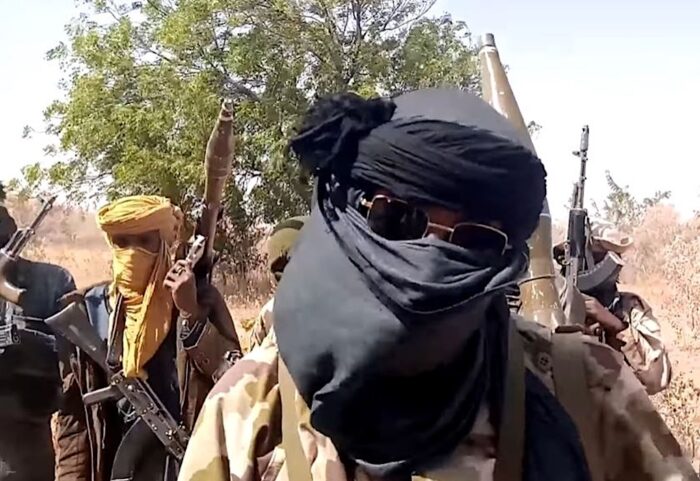
The debate comes as the Nigeria Police Force struggles under the weight of insurgency, banditry, and communal violence.
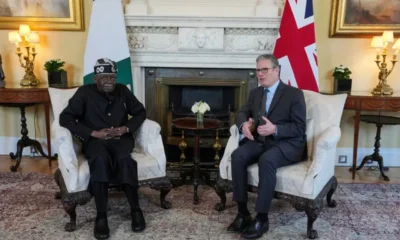
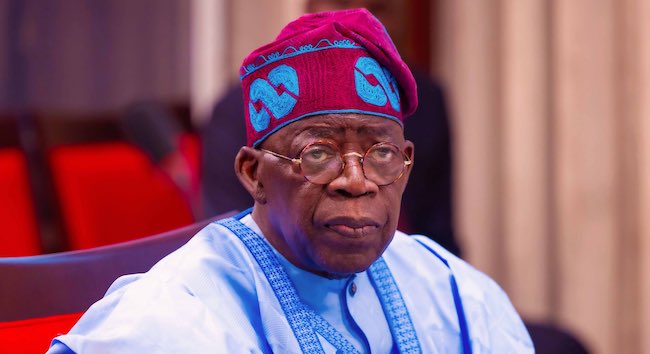
President Bola Ahmed Tinubu has endorsed state police, while Inspector General Olatunji Disu has initiated plans to create a workable framework.
In the North, Kaduna, Plateau, and Kano have already deployed or trained thousands of local security personnel, while southern states are strengthening outfits like Amotekun and community-based security corps.
Meanwhile, stakeholders warn of political misuse and lack of safeguards.
“This clime is not yet matured… there is apprehension of misuse by state authorities,” one analyst said.
Legally, the reform requires constitutional amendment by the National Assembly and approval from at least 24 state assemblies.
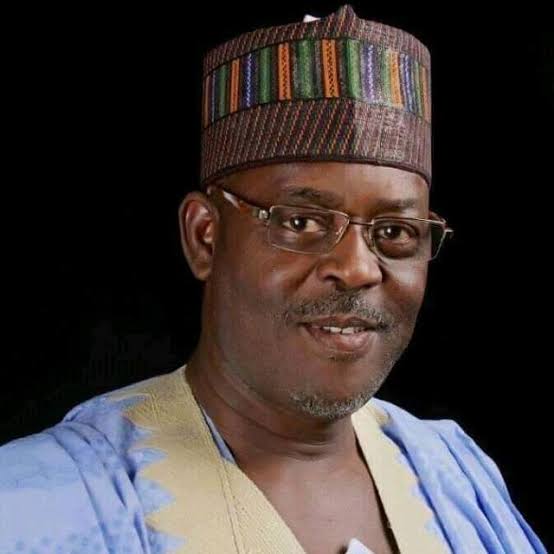
Barau Jibrin said lawmakers are working to address public concerns.
“We should create a system that allays their fears,” he stated, urging safeguards against abuse.
Experts and stakeholders widely agree that while state police could improve intelligence gathering and response time, its success depends on strong oversight, funding, and political will.
As one observer put it: “State police is achievable. The question is whether the political will matches the urgency.”
Africans Angle News