Global Issues
Hormuz and the Point of No Return: The Strategic Costs of Forcing Iran to Yield -By Fransiscus Nanga Roka
Iran has made it plain that Hormuz is its most important bargaining counter. Not just a tactical step, the decision to restrict entry for those associated with enemies while permitting selective shipping is a signal that Tehran is prepared to turn geography into a weapon for its own survival. Iran has made it clear that at this point, Hormuz canal becomes its most mighty negotiating chips. Only allowing ships from some countries to pass through, while keeping the rest linked to enemies at bay, is more than just tactical manoeuvre.

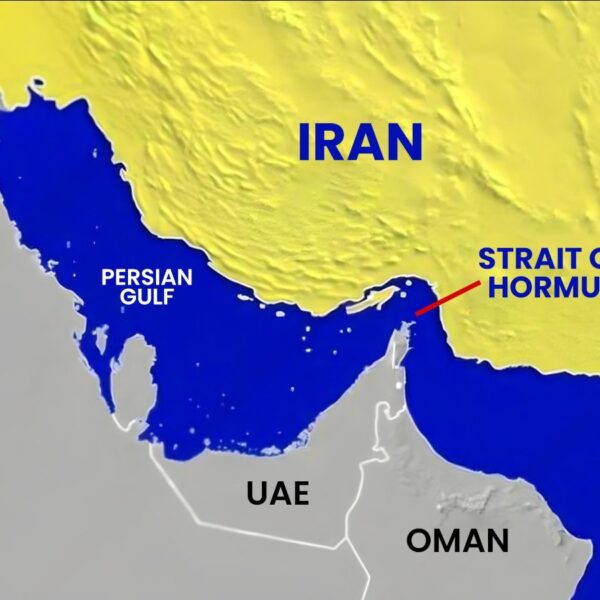
It may be recalled as the moment when the military maneuver to stave off an Iran war turns into an irreversible escalation. It only a matter of time before that military conflict will explode. Essentially, it has followed this pattern: air strikes by the Great Powers, missile counterattacks against proxies, economic pressure. However, forcing Iran to give ground on Hormuz means concentrating US power on a single goal that attacks Iranian strategic leverage, national pride, and its ability to survive.“This is how limited wars become total wars.”The Strait of Hormuz is more than just a passageway for ships; it is the most critical geopolitical flashpoint in the global economy. Almost 20% of this narrow area is crisscrossed by ships ferrying oil from around 20 countries, the partial blockage already has thrown oil markets into turmoil and shipping traffic to a standstill, respectively. As soon as control of such a choke point becomes the main theatre of war, military logic prevails over politics restraint and every side is drawn irrevocably into conflict. Washington’s calculation seems simple enough: show overwhelming force, restore the straits of Hormuz to freedom of navigation, and force Iran back. But the weight of history suggests a different outcome. Nations rarely back down when they are shoved against the wall and their very existence is at stake. They escalate.
Iran has made it plain that Hormuz is its most important bargaining counter. Not just a tactical step, the decision to restrict entry for those associated with enemies while permitting selective shipping is a signal that Tehran is prepared to turn geography into a weapon for its own survival. Iran has made it clear that at this point, Hormuz canal becomes its most mighty negotiating chips. Only allowing ships from some countries to pass through, while keeping the rest linked to enemies at bay, is more than just tactical manoeuvre. This means Tehran not only wants us to understand how powerful it can be but also begins using Earth and sea as weapons of war. When a state feels its strategic room for manoeuvre is under attack, it does not negotiate. It fights for principles first and then other benefits in accordance with law second .That is why this current crisis could produce far more dire scenarios than just a naval confrontation. If bombings do not force compliance, then diplomacy will not be the next step. It is expansion. Protecting shipping lanes could require minesweeping operations, naval escorts, air strikes against coastal defences, and finally the destruction of command centers within Iran. Each step raises the risk of US forces being drawn into a direct ground conflict, the very scenario that every administration for decades has tried to avoid. A land war with Iran would not be like the occupation of Iraq in 2003. Iran is bigger, more populous, more mountainous and politically more unified under attack from outside. Even limited incursions could quickly turn into a broader regional conflict involving militias, neighboring countries and great powers whose energy security depends on the Gulf. This is the strategic cost of defiance. An ultimatum brings clarity, but it also closes off paths for retreat. Once the deadline is set, it becomes politically more difficult to back down than to escalate. For both Washington and Tehran, their ability to stick with what they have said is now linked tied in with defiance. That is probably the most dangerous position any war can reach. This picture has been seen before. 1914 and 1956 are examples: Leaders believed they could control the next stage of escalation from where events actually went. Again and again. If the ultimatum is successful the cost will be chaos spreading through all parts of the region.
If it fails, then the next step will not symbolic moves or naval posturing. It will be war on land, in one of the most volatile parts of our planet.And once that starts, nobody can control what comes out of it.