Africa
Nigeria’s Food Security Crisis: When Farmers Abandon The Fields -By Watrahyel Amos Bassi
Nigeria’s food security is not just an agricultural challenge but a national survival issue. A hungry nation cannot be a stable nation. Unless urgent and comprehensive action is taken, the fields that once fed millions may remain empty, and the dream of self-sufficiency will slip further out of reach. The time to act is now, before hunger becomes Nigeria’s most enduring tragedy.

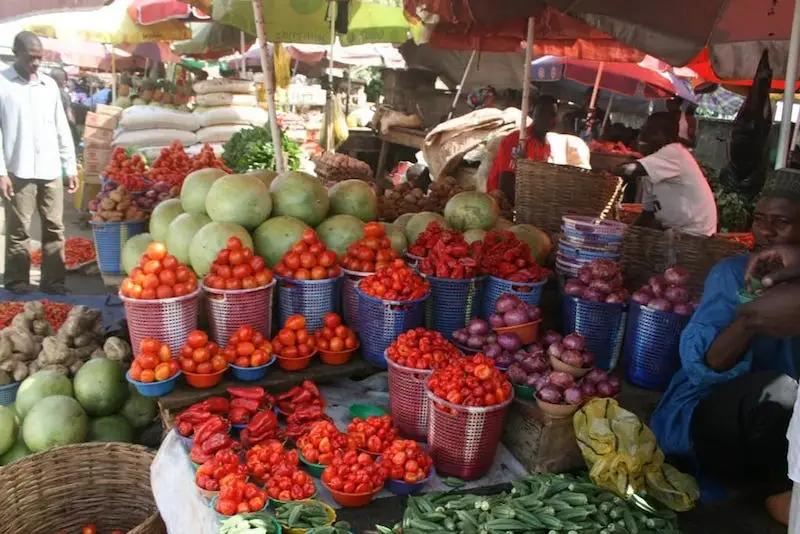
Nigeria, a country blessed with vast arable land and favorable climatic conditions, once prided itself as an agricultural powerhouse in Africa. From groundnut pyramids in the north to palm oil plantations in the south, agriculture was the backbone of the nation’s economy before the oil boom of the 1970s. Decades later, the story has changed drastically. Today, Nigeria faces an alarming food security crisis, driven by insecurity, poor infrastructure, climate change, and weak government policies. What was once a land of abundance is fast becoming a nation where hunger stalks millions of households.
One of the most pressing factors fueling the crisis is insecurity in rural areas. Farmers in states such as Borno, Benue, Katsina, Zamfara, and Plateau have abandoned their farmlands due to incessant attacks by bandits, insurgents, and herders-farmers conflicts. In many communities, planting seasons are disrupted as people flee for their lives. The ripple effect is a sharp decline in food production, leading to skyrocketing prices of staples such as maize, rice, beans, and millet. According to the National Bureau of Statistics, food inflation surged to record levels in 2025, with millions of Nigerians struggling to afford basic meals.
Climate change has compounded the problem. Erratic rainfall patterns, desertification in the north, and flooding in southern and middle-belt regions have destroyed crops and displaced farming communities. The devastating floods of 2022, for example, submerged farmlands across 30 states, wiping out crops and worsening food shortages. Farmers who survive the insecurity are left at the mercy of climate disasters, further deepening the crisis. Yet, there is little evidence of proactive measures from government agencies to mitigate these challenges through irrigation schemes, modern farming technologies, or climate-resilient agricultural policies.
Poor infrastructure and market access also remain barriers. Many rural roads are in deplorable condition, making it difficult for farmers to transport their produce to urban markets. As a result, a large percentage of crops rot before they can be sold, discouraging farmers from expanding production. The lack of storage facilities and processing industries has also limited the value chain in agriculture. Nigeria imports billions of naira worth of food annually—items that could easily be produced locally if the sector was better managed.
Government policies aimed at boosting food production have often been inconsistent or poorly executed. Programs like Anchor Borrowers’ Scheme and fertilizer subsidies were introduced with good intentions, but issues of corruption, mismanagement, and lack of transparency have plagued them. Many smallholder farmers, who constitute the majority, complain that they do not benefit from these interventions as the resources are hijacked by politically connected elites. Consequently, the promises of food sufficiency remain far from reality.
The human cost of this crisis is devastating. Families across the country are cutting down on meals, malnutrition is on the rise, and children in rural communities face stunted growth due to lack of balanced diets. The United Nations recently warned that over 25 million Nigerians are at risk of acute hunger if urgent steps are not taken. Beyond hunger, the crisis also fuels social unrest, as unemployed youths in rural areas become vulnerable to recruitment by criminal groups and insurgents, perpetuating the cycle of violence that drives farmers away from their lands in the first place.
Experts believe Nigeria can reverse this trend if decisive action is taken. First, restoring security in farming communities must be a top priority, as no meaningful agricultural revival can occur in an atmosphere of fear. Second, investments in irrigation systems, mechanized farming, and improved seed varieties are critical to boosting yields. Third, the government must adopt consistent and transparent policies that genuinely support smallholder farmers, who feed the majority of the population. Strengthening cooperatives and improving access to credit will empower farmers to scale up their operations.
Equally important is the need for a cultural reorientation that values farming as a viable and dignified profession. Over the years, many young Nigerians have abandoned agriculture, preferring white-collar jobs in cities or seeking opportunities abroad. Reviving the agricultural sector requires making it attractive to the youth by integrating technology, offering incentives, and ensuring that farmers are not left at the mercy of insecurity and neglect.
Ultimately, Nigeria’s food security is not just an agricultural challenge but a national survival issue. A hungry nation cannot be a stable nation. Unless urgent and comprehensive action is taken, the fields that once fed millions may remain empty, and the dream of self-sufficiency will slip further out of reach. The time to act is now, before hunger becomes Nigeria’s most enduring tragedy.
Watrahyel Amos Bassi is a 300 Level Student From Mass Communication Department University Of Maiduguri.