
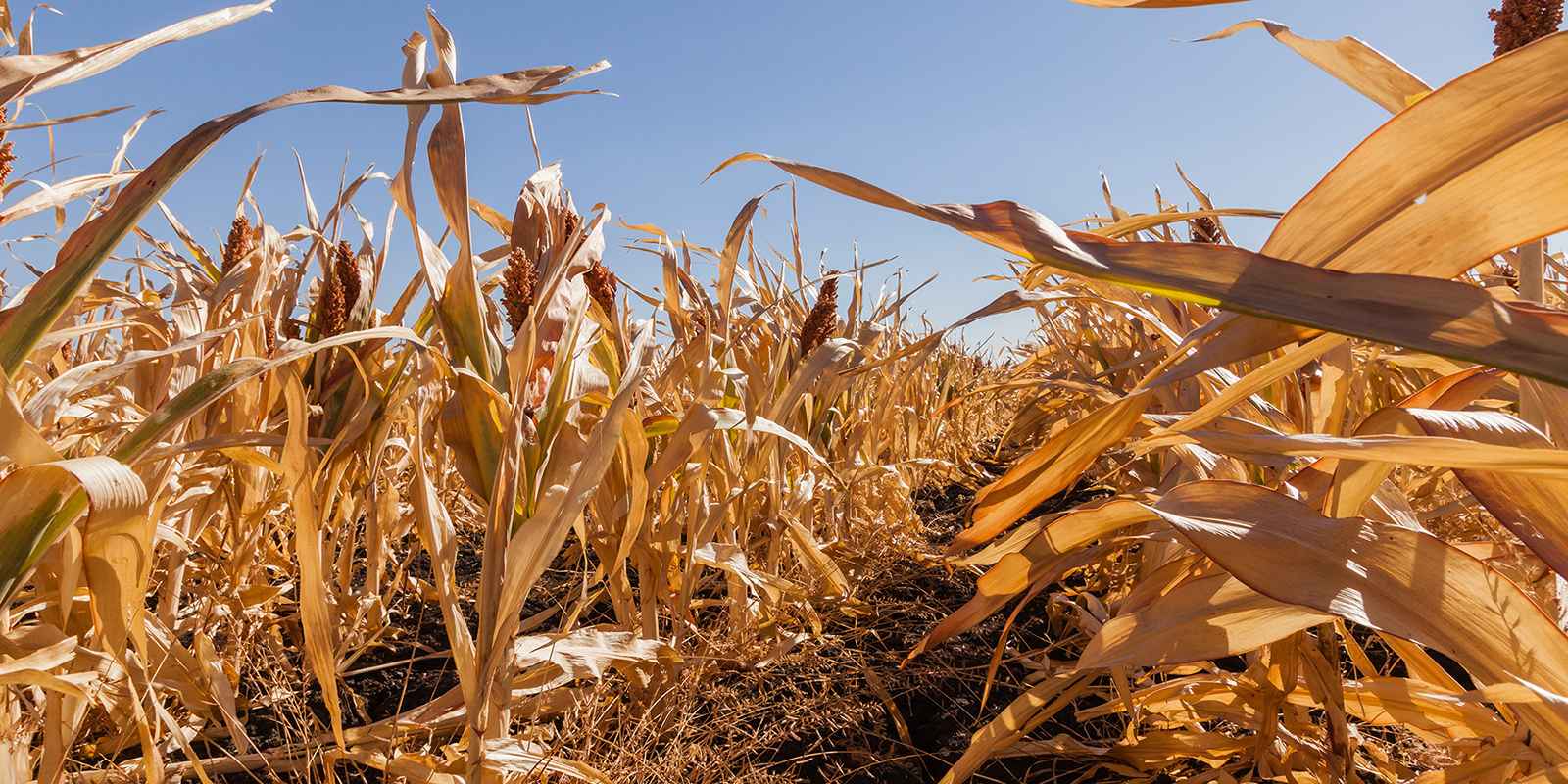
Climate change is disrupting Nigeria’s agriculture as farmers suffer billions in losses from floods, droughts, erratic rainfall, pests and diseases.

The disease also reminds us that livestock health is closely connected to economic and social well-being. A healthy herd supports a farmer's income, household food supply,...

For farmers, a persistent swelling around the jaw should never be ignored. Early veterinary assessment can help distinguish actinomycosis from other conditions and improve the chances...

Nigeria needs to redefine what national security means. Protecting farming communities should become as strategically important as protecting oil pipelines or military installations. Agricultural corridors should...
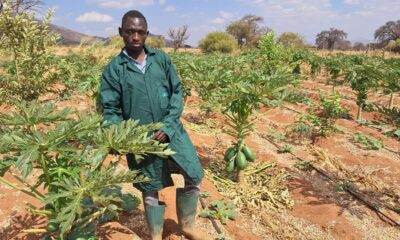

The agricultural sector in Nigeria is systematically crumbling and affecting every other part of the Nigerian economy, banking and financial sectors, house-hold nutrition and local businesses....
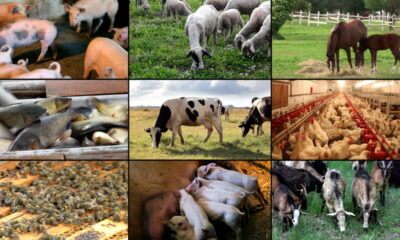

Families dependent on livestock for livelihoods witness the strain as veterinary costs rise and productivity falls. Beyond economics, the condition raises public health considerations, including potential...
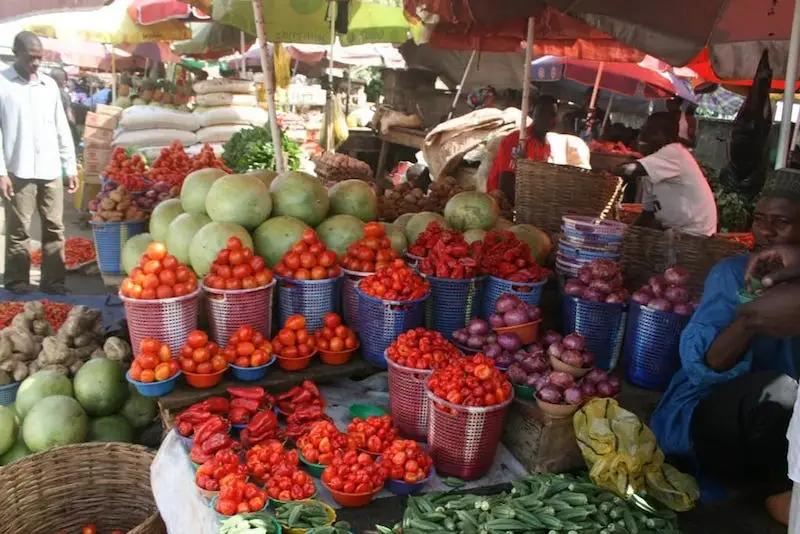
The path forward requires consistency rather than temporary solutions. Policies must survive political transitions. Investments in agriculture should extend beyond annual budget announcements to measurable improvements...
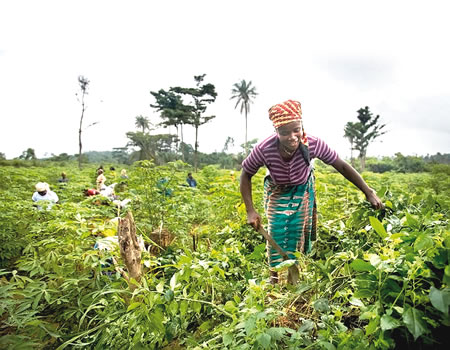
The benefits extend beyond individual farms. Drought-resistant maize promotes efficient water use and strengthens national food production at a time when Nigeria’s growing population places increasing...
Improving biosecurity does not always require expensive infrastructure. Simple but consistent measures such as limiting unnecessary farm visitors, vaccinating animals, disinfecting equipment, isolating sick animals, maintaining...

Achievement in this endeavour will determine whether Nigeria's current agricultural reforms represent temporary price reduction or the foundation for lasting food security and agricultural prosperity. The...


Atiku’s aide Paul Ibe questions Tinubu’s 30-day petrol discount, warning that Nigerians without NNPC stations may miss out on cheaper...
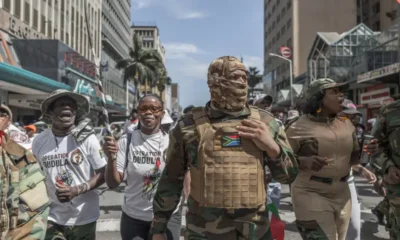

South Africa withdraws its asylum directive after anti-migrant violence in Johannesburg and Durban, where protesters torched vehicles and looted foreign-owned...


Barcelona captain Raphinha will miss matches against Getafe and Galatasaray after suffering a hamstring injury on Brazil duty, Hansi Flick...
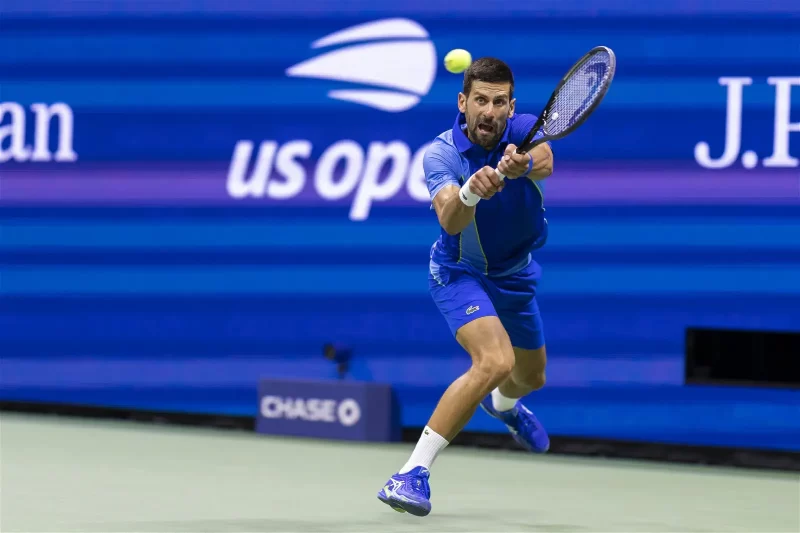
Novak Djokovic crashes out of the Shanghai Masters after losing 6-4, 6-3 to Hubert Hurkacz, while Alexander Zverev and Ben...


FRSC boss Shehu Mohammed warns that social media distractions, emotional distress and fatigue can increase road crash risks, urging motorists...


The NDLEA says it rehabilitated 53,843 drug users and conducted 17,213 anti-drug outreaches in five years as Marwa calls for...


CBN Governor Olayemi Cardoso seeks stronger Nigeria–Asia investment links, deeper financial markets and improved cross-border payment systems during Singapore engagements.


Max Dowman, Arsenal news, Guinness World Records, youngest Premier League goalscorer, Premier League, UEFA Champions League.

FIFA President Gianni Infantino promises more resources for African football, highlighting $1bn invested through FIFA Forward over the past decade.

FIFA reportedly rejected Nigeria’s protest over DR Congo’s alleged ineligible player, citing a wrong email submission and late filing of...


In measuring compliance, boards should focus on control effectiveness determined through testing, as well as unsettled alerts and response times....
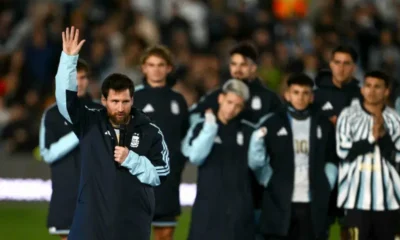

Lionel Messi ends his 21-year Argentina career with a goal and assists as Argentina beat Benin 3-0 in an emotional...
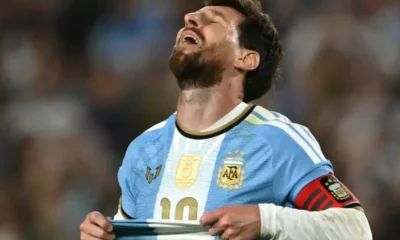

Lionel Messi bids an emotional farewell to Argentina after 21 years, calling his international retirement the “saddest day” of his...
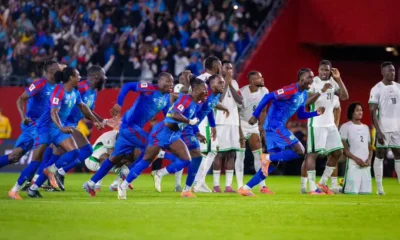

A New York Times investigation says FIFA knew Congo fielded an ineligible player but allowed the team to continue its...

India, Qatar and South Africa are among seven nations confirmed by the IOC as interested in hosting the 2036 Summer...
FIFA president Gianni Infantino faces two complaints from Norway over alleged abuse of power, conflict of interest, governance and links...


Lionel Messi prepares for his emotional Argentina farewell as the 39-year-old legend plays his final international match against Benin in...
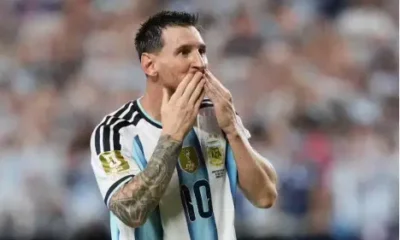

Lionel Messi will bid farewell to Argentina on Tuesday against Benin, ending more than two decades of international service with...
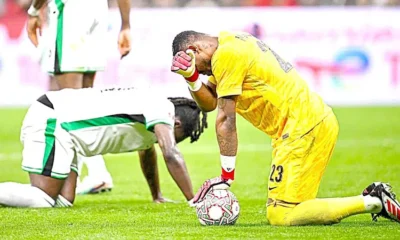

Sylvanus Okpala criticises the Super Eagles after their 3-0 defeat to Guinea-Bissau, insisting Nigerian coaches can solve the team’s problems.