Forgotten Dairies
Drought-Resistant Maize: A Beacon of Hope for Nigerian Farmers -By Aisha Abubakar Mustapha
The benefits extend beyond individual farms. Drought-resistant maize promotes efficient water use and strengthens national food production at a time when Nigeria’s growing population places increasing pressure on agricultural systems.

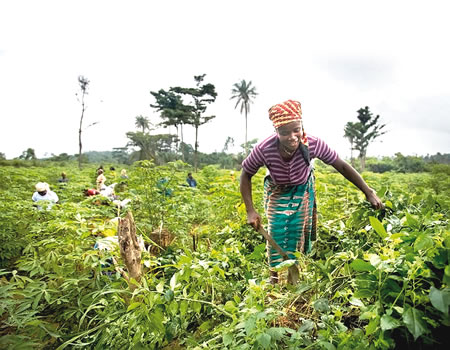
As climate change disrupts rainfall patterns across Nigeria, farmers face growing uncertainty. In many northern communities, prolonged dry spells and erratic rains have reduced crop yields, threatened livelihoods, and increased food insecurity. Amid these challenges, drought-resistant maize is emerging as a practical solution.
Maize remains one of Nigeria’s most important staple crops, supporting households, industries, and livestock production. However, its dependence on rainfall makes it highly vulnerable to drought. To address this challenge, researchers have developed drought-resistant maize varieties capable of surviving with less water while maintaining good yields.
Unlike conventional maize, these improved varieties can tolerate water stress during critical growth stages, enabling farmers to harvest reasonable yields even when rainfall is insufficient. Across northern Nigeria, many farmers who have adopted the seeds report better harvests, increased incomes, and improved food security.
The benefits extend beyond individual farms. Drought-resistant maize promotes efficient water use and strengthens national food production at a time when Nigeria’s growing population places increasing pressure on agricultural systems.
Despite its promise, adoption remains limited by high seed costs, inadequate awareness, and weak distribution networks. Experts emphasize the need for greater investment in agricultural research, extension services, and farmer education to expand access to climate-smart technologies.
As droughts become more frequent, drought-resistant maize offers more than improved yields—it represents resilience and hope. With sustained support and wider adoption, it could play a crucial role in securing Nigeria’s agricultural future.