
Breaking News
Africa Records 26.3 Million HIV Cases as 21.7 Million Access Treatment – WHO
The WHO says 26.3 million people are living with HIV in Africa, urging governments to improve access to prevention, testing and treatment.

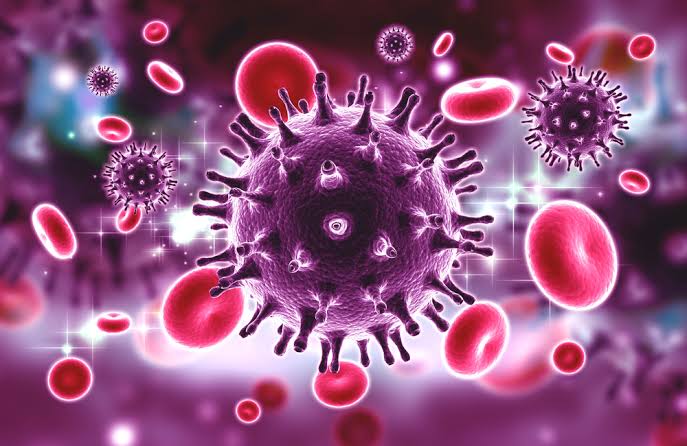
An estimated 26.3 million people are living with HIV in Africa in 2026, while 21.7 million are receiving antiretroviral treatment, according to the World Health Organisation (WHO).
The WHO Regional Director for Africa, Dr Mohamed Janabi, revealed the figures on Monday while delivering a message ahead of the 2026 World AIDS Day, which is commemorated every December 1.
Janabi said the continent had made considerable progress in the fight against HIV, pointing to reductions in new infections in several countries and improved access to treatment.
Nevertheless, he expressed concern that millions of people continued to encounter difficulties accessing vital prevention and healthcare services.
He said Africa remained the region most affected by the HIV epidemic, calling for accelerated efforts to guarantee fair access to prevention, testing, treatment and care services.
According to him, achieving this would be critical to ending AIDS as a public health threat.
The 2026 World AIDS Day theme, “Ending AIDS starts with access”, highlights the need to make scientific breakthroughs and existing medical interventions available to everyone who requires them.
Janabi explained that preventive services help individuals safeguard themselves and their loved ones, while HIV testing allows people to know their status and access treatment without delay.
He further noted that consistent access to treatment enables people living with HIV to maintain healthy and productive lives.
He also stressed the importance of providing confidential healthcare services without discrimination or stigma, saying patients deserved to receive medical attention with dignity.
However, the WHO official identified several persistent challenges undermining access to HIV-related services across the continent.
These include long distances to health facilities, high transportation costs, shortages of medicines, social stigma, punitive legislation and gender-based inequalities.
He cautioned that these barriers could leave infections undetected, delay access to treatment and reduce opportunities to prevent further transmission.
Janabi said African countries had responded by introducing various programmes, including differentiated service delivery models, integrating HIV services into primary healthcare and strengthening community-based health systems.
He added that countries were also making preparations to introduce new HIV prevention technologies, insisting that affordability and accessibility must remain central to their implementation.
As the 2030 deadline approaches, Janabi urged governments to maintain funding for HIV prevention, testing, treatment and care programmes while tackling the underlying social and structural factors restricting access to healthcare.
He equally appealed to development partners to assist countries in ensuring that new HIV prevention tools reach communities, especially those with limited access to healthcare.
“People living with HIV have helped lead this response from the beginning. Their experience must continue to guide the decisions we make about how and where care is provided,” he stated.
Reflecting on the progress made in combating the epidemic, Janabi said the achievements recorded so far showed the importance of making lifesaving healthcare accessible to all.
“On this World AIDS Day, let us remember how much has changed because people insisted that lifesaving care should be within everyone’s reach. We owe it to those we have lost, and to those living with HIV today, to carry that work forward,” he added.
He called on all stakeholders to strengthen efforts to ensure that people can protect their health, obtain timely diagnoses and receive necessary medication, saying such commitments would move Africa closer to ending AIDS as a public health threat.
Africans Angle News
























You must be logged in to post a comment Login