
Africa
Nipah Virus Threat: Why Nigeria Must Act Early to Prevent Another Public Health Crisis -By Daniel Nduka Okonkwo
Nigeria does not need to panic, but it must not be complacent. The resurgence of the Nipah virus in Asia is a reminder that global health threats respect no borders. With proactive surveillance, responsible travel monitoring, and strong institutional leadership from the NCDC and Ministry of Health, Nigeria can once again demonstrate its capacity to protect public health.

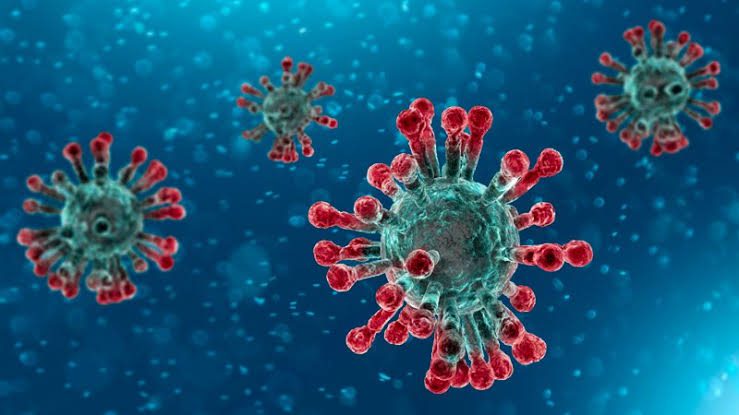
The Nipah virus (Henipavirus nipahense), a highly fatal zoonotic pathogen, has recently resurfaced in eastern India, prompting renewed international concern. The World Health Organization (WHO) has confirmed fresh cases in West Bengal, triggering heightened surveillance and airport health screenings across several Asian countries. Nigeria, given its extensive international travel links, must not wait until the virus reaches its borders before acting.
Like the Ebola virus outbreak and the COVID-19 pandemic, Nigeria’s public health institutions, particularly the Federal Ministry of Health and the Nigeria Centre for Disease Control and Prevention (NCDC), have previously demonstrated commendable capacity in disease surveillance, containment, and response. As a new viral threat emerges in parts of Asia, health experts warn that early vigilance is critical to preventing another global health emergency.
Nipah virus is a zoonotic disease, meaning it is transmitted from animals to humans. Its natural reservoirs are fruit bats, also known as flying foxes, belonging to the Pteropus genus. These bats are widely distributed across India, Southeast Asia, the Indian Ocean islands, and parts of Oceania.
The virus was first identified in 1998 during an outbreak among pig farmers in Malaysia, where transmission occurred from bats to pigs and subsequently to humans. Since then, recurrent outbreaks, particularly in India and Bangladesh, have revealed the virus’s deadly potential.
According to WHO data, the Nipah virus has an estimated fatality rate of 40–75 percent, making it one of the deadliest known viral infections. Although it is not as easily transmissible as COVID-19 or measles, it is significantly more lethal.
The incubation period ranges from four to fourteen days, with asymptomatic cases being rare. Initial symptoms are often non-specific, resembling common illnesses such as the flu or food poisoning. These include fever, headache, muscle pain, vomiting, and sore throat.
Alarmingly, in about two-thirds of patients, the illness progresses rapidly. Severe neurological complications, including acute encephalitis (brain swelling), may develop, with coma occurring within five to seven days. Some patients also experience respiratory distress, marked by persistent coughing and abnormal chest X-ray findings.
Consumption of fruits or date palm sap contaminated by infected bats
Direct contact with infected animals, particularly pigs
Person-to-person transmission, especially in healthcare or household settings
Because early symptoms can be mistaken for fatigue, jet lag, or food poisoning, undetected cases pose a serious risk of silent transmission across borders.
Although the Nipah virus does not currently pose the same scale of global threat as SARS-CoV-2, its high mortality rate and neurological impact have raised alarms worldwide. Following the recent cases in India, countries such as Thailand, Nepal, and Taiwan have increased airport surveillance and health monitoring protocols.
Several Asian nations have reintroduced COVID-style screenings, including temperature checks, health declarations, and rapid isolation of suspected cases at major international airports.
Nigeria’s experience with Ebola and COVID-19 has shown that early detection and decisive action save lives. To prevent the entry and spread of the Nipah virus, experts argue that Nigeria should immediately strengthen its preventive measures.
Enhanced screening of passengers arriving from high-risk regions, particularly India
Strict travel health declarations and symptom monitoring
Rapid isolation and testing protocols for suspected cases
Improved sanitation and hygiene measures at ports of entry
Public awareness campaigns led by the NCDC
Continuous collaboration with the World Health Organization
Preventing viral entry requires a coordinated strategy combining border health security, surveillance, personal hygiene, and strict adherence to public health guidelines.
Nigeria does not need to panic, but it must not be complacent. The resurgence of the Nipah virus in Asia is a reminder that global health threats respect no borders. With proactive surveillance, responsible travel monitoring, and strong institutional leadership from the NCDC and Ministry of Health, Nigeria can once again demonstrate its capacity to protect public health.
Early vigilance, not emergency reaction, remains the most effective defense.
Daniel Nduka Okonkwo is a seasoned writer, human rights advocate, and public affairs analyst renowned for his incisive commentary on governance, justice, and social equity. Through Profiles International Human Rights Advocate, he champions accountability, transparency, and institutional reform in Nigeria and beyond. With over 1,000 published articles indexed on Google, his work has appeared on Sahara Reporters and other leading international media platforms.
He is also an accomplished transcriptionist, petition writer, ghostwriter, and freelance journalist, widely recognized for his precision, persuasive communication, and unwavering commitment to human rights.
Contact: dan.okonkwo.73@gmail.com
Daniel Nduka Okonkwo.

























You must be logged in to post a comment Login