Breaking News
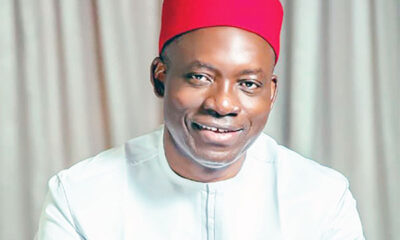
Peter Obi Calls for Urgent Education Reforms, Links Sector Neglect to Nigeria’s Development Crisis
Peter Obi says neglect of education is driving Nigeria’s poor human development, calling for urgent reforms and increased investment.

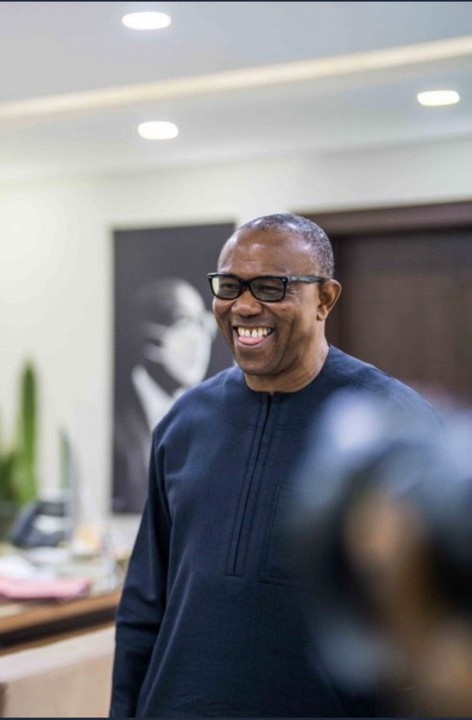
Peter Obi has warned that Nigeria’s poor human development indicators are largely driven by long-standing neglect of the education sector, urging comprehensive reforms and stronger partnerships to reposition it for growth.
Speaking at Coal City University, Obi argued that sustainable development cannot be achieved without prioritising education and human capital.
Delivering a lecture on repositioning Nigeria’s education system, he maintained that the strength of a nation lies in its educational foundations rather than its natural resources.
He identified key challenges, including underfunding, weak infrastructure, outdated curricula, and poor integration between education and industry.
Referencing benchmarks by UNESCO, Obi said Nigeria’s education budget—below seven percent—falls significantly short of the recommended 15–20 percent, contributing to high unemployment and skill mismatches.
He also criticised the limited scope of the Tertiary Education Trust Fund, questioning why private institutions are excluded.
“Do students in private universities come from another planet?” he asked.
Using data from the United Nations Development Programme, Obi pointed out that Nigeria ranks 161st on the Human Development Index, highlighting systemic challenges in education, health, and living standards.
He noted that life expectancy remains low at about 50 to 55 years, reflecting weak healthcare systems.
Comparing Nigeria with other developing nations, Obi said countries such as Indonesia and Egypt have achieved better outcomes through sustained investment in education and healthcare, while South Africa’s higher spending continues to yield stronger results.
He described Nigeria’s funding gap as “funding starvation,” noting the stark contrast between Nigeria’s $2.5 billion education budget and South Africa’s $30 billion allocation.
Obi added that Nigeria’s literacy rate—estimated between 59 and 69 percent—is insufficient for a modern, knowledge-based economy.
“Nigeria’s problem is not a lack of talent, but a failure of alignment, investment, and partnership,” he said.
“Weak education systems often translate into poor health awareness, lower life expectancy, and reduced economic output.”
He stressed that public-private partnerships are essential to drive infrastructure development, research funding, curriculum reform, and job creation through skills programmes.
Obi called for increased investment in education and healthcare, stronger industry-academia collaboration, and a renewed focus on innovation, skills acquisition, and entrepreneurship.
Stakeholders at the event, including Vice-Chancellor Prof. Adam Icha Ituma and former Minister of Power Prof. Chinedu Nebo, described the lecture as timely and urged action on the issues raised.
Africans Angle News