Africa
Policy Without Impact -By Blessing Edward
Nigeria’s first policies may continue to impress with their language and presentation, but without genuine implementation, they remain documents rather than drivers of progress. Bridging the gap between words and impact is not just a technical challenge it is a democratic imperative. A nation that delivers on its policies is a nation that builds trust, reduces poverty, and improves the quality of life for all citizens. It is time for Nigeria to ensure that its policies shine not just on paper, but in the lived experiences of its people.

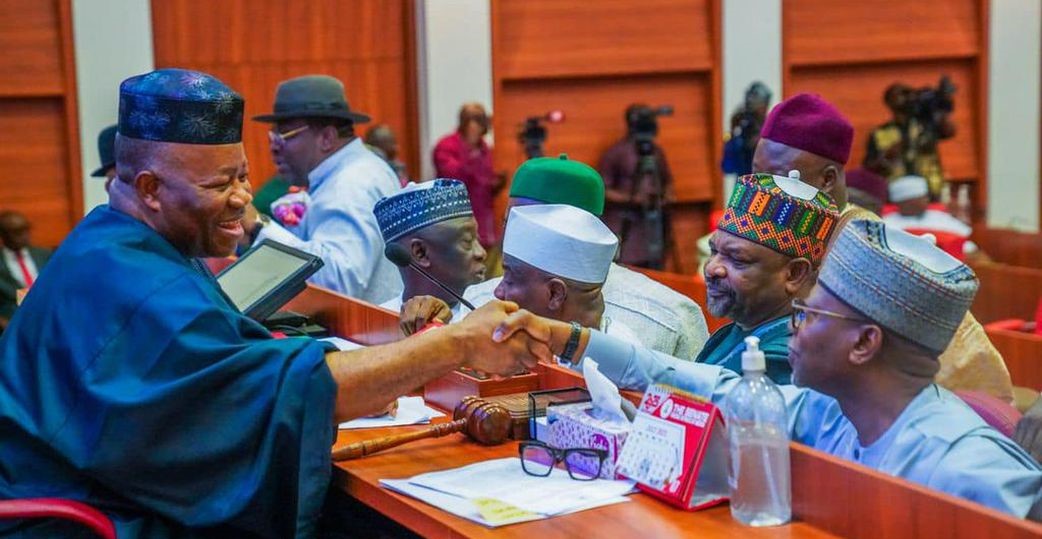
Nigeria has long been praised for producing well‑written government policies that look impressive on paper. These policies often feature grand language, detailed frameworks, and ambitious goals. Yet, when it comes to translating these documents into tangible results on the ground, Nigeria’s first policies consistently fall short. This gap between policy packaging and policy impact has frustrated citizens, slowed development, and eroded public trust in governance.
At first glance, policy documents in Nigeria appear comprehensive. They are typically crafted by committees of experts, reviewed by consultants, and presented with glossy branding and official endorsements. These polished packages create the impression of preparedness and progress.
However, the appeal of beautiful writing and lofty goals often masks deeper structural issues. Many policies are developed without a clear understanding of local realities or the practical challenges of implementation. As a result, well‑intentioned words rarely translate into improved lives.
One of the primary reasons Nigeria’s first policies remain weak in impact is the disconnect between policymakers and the grassroots. Those who draft the policies are usually elites academics, technocrats, or political appointees removed from the everyday struggles of ordinary Nigerians.
Without sufficient input from the communities most affected, policies often fail to address root causes or local nuances. For example, a national education policy might assume universal school access but ignore barriers like poverty, cultural resistance, or rural infrastructure gaps.
Another factor is poor data quality.Effective policy requires accurate, up‑to‑date information. Unfortunately, Nigeria still struggles with reliable data ond on outdated or incomplete data are bo demographics, economic activity, health, and social services. Policies baseund to underperform.
Even when a policy is well‑designed, implementation often stalls. This is frequently due to bureaucratic bottlenecks. Ministries and agencies may lack clear leadership, suffer from inter‑agency conflict, or delay action due to red tape.
Funding shortfalls are also a major issue. A policy might call for new infrastructure, social programs, or institutional reform, but without dedicated budget lines and transparent funding mechanisms, these goals remain aspirational.
Corruption plays a role as well. Misallocation of resources, inflated contracts, and diversion of funds to private pockets undermine implementation and erode the ability of policies to achieve their stated objectives.
Successful policy requires robust monitoring and evaluation systems. Nigeria’s policy framework often lacks adequate accountability mechanisms clear performance indicators, regular reporting, and consequences for failure. Without these, policies can drift without anyone being held responsible.
Public engagement and transparency are also limited. Citizens rarely have real access to information about how policy decisions are made, how funds are spent, or whether targets are being met. This lack of participatory oversight weakens the social contract between government and citizens.
Nigeria’s political environment also impacts policy effectiveness. Frequent changes in leadership, political priorities, and government cycles can mean that newly adopted policies are abandoned or neglected before they can take root.
Politicians often prefer quick wins that appeal to voters over long‑term strategic planning. This focus on short‑term political gains undermines policies that require sustained commitment over many years, such as infrastructure development, agricultural reform, or health system strengthening.
To change this pattern, Nigeria must shift from policy packaging to policy performance. This involves inclusive policy design that truly engages grassroots voices, investment in data systems, streamlined implementation structures, transparent budgeting, and strong accountability frameworks. Civil society, media, and citizens also have a role to play in demanding implementation follow‑through and measurable outcomes.
Nigeria’s first policies may continue to impress with their language and presentation, but without genuine implementation, they remain documents rather than drivers of progress. Bridging the gap between words and impact is not just a technical challenge it is a democratic imperative. A nation that delivers on its policies is a nation that builds trust, reduces poverty, and improves the quality of life for all citizens. It is time for Nigeria to ensure that its policies shine not just on paper, but in the lived experiences of its people.