Africa
Revitalizing Nigeria’s Foreign Exchange Market -By Isah Aliyu Chiroma
The revitalization of Nigeria’s foreign exchange market necessitates more than just short-term fixes. It calls for imaginative solutions that embrace the complexities of global economics while nurturing a robust domestic landscape. Nigeria stands at a crossroads, with the potential , which the CBN is addressing, to transform Nigeria’s economic vulnerabilities into strengths, paving the way for enduring stability and growth in this ever-evolving global environment.

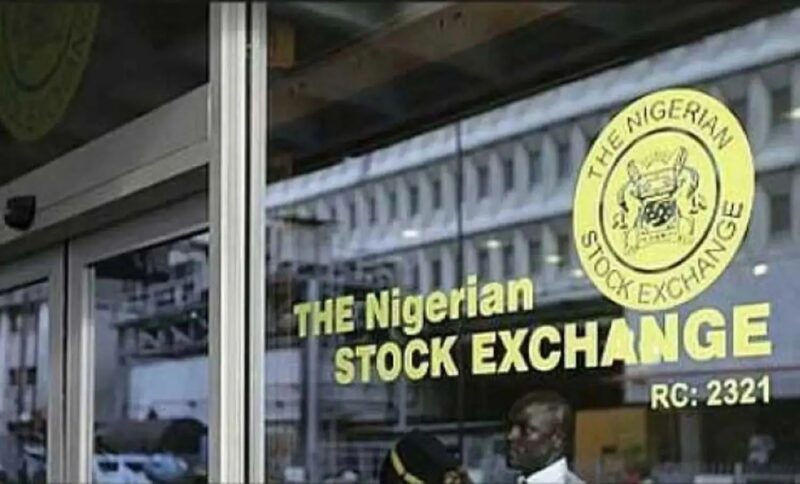
In recent months, the Nigerian foreign exchange market has attracted substantial attention due to the proactive measures initiated by the Central Bank of Nigeria (CBN) under the stewardship of Yemi Cardoso. As the apex financial institution of the country, the CBN plays a pivotal role in shaping Nigeria’s economic trajectory. Its decisions not only influence the FX market but also reflect broader investor sentiment and contribute significantly to the nation’s economic stability.
The injection of $197.71 million into the forex market on April 4, 2025, epitomizes its unwavering commitment to maintain market stability amid escalating global economic uncertainties. This decisive action was necessitated by the recent imposition of a 14% import tariff on Nigerian products by the United States, a move that has reverberated throughout the economy, exerting downward pressure on the valuation of the naira against the dollar. Such measures underscore the vulnerability of emerging economies, especially those reliant on oil exports, to the external shocks that frequently arise in the global marketplace.
Dr. Omolara Omotunde Duke, the Director of the Financial Markets Department at the CBN, stated that the market fluctuations occurring between April 3 and April 4 are indicative of broader macroeconomic trends affecting emerging markets and developing economies. The stark reality is that crude oil prices have decreased by over 12%, resting at approximately $65.50 per barrel. This decline presents formidable challenges for oil-dependent nations like Nigeria, which often rely heavily on oil revenues to support their fiscal budgets and stabilize their currencies.
The ramifications of global economic pressures raise critical questions about the resilience and sustainability of the Nigerian economy. While the CBN’s injection of liquidity serves as an immediate remedy to stabilize the foreign exchange market, it inadvertently highlights a dependency on reactive measures rather than proactive strategies that could address the root causes of economic vulnerability. This reliance raises concerns about the long-term efficacy of such interventions in creating a sustainable economic environment.
It is essential to recognize that while the CBN has made commendable efforts to ensure liquidity, such measures alone are insufficient for long-term economic health. The bank has reiterated the importance of adhering to the Nigeria FX Market Code, emphasizing transparency and integrity in transactional practices among Authorized Dealers. Therefore, it is imperative for the CBN and other relevant authorities to formulate a more comprehensive strategy that not only stabilizes the FX market but also strengthens the overarching economic framework of Nigeria.
A pivotal factor in addressing these vulnerabilities lies in diversifying the sources of revenue for the Nigerian economy. The heavy reliance on oil has historically left Nigeria susceptible to fluctuations in global oil prices, which can be volatile and unpredictable. To secure a more resilient economic future, it is vital to explore and invest in alternative sectors such as agriculture, technology, and manufacturing. By diversifying its economic base, Nigeria can reduce its dependency on oil revenues and enhance its ability to withstand external shocks.
To foster this diversification, the Nigerian government, in collaboration with financial institutions, should prioritize the development of infrastructure that supports these alternative sectors. Investment in technology and innovation, for example, has the potential to drive economic growth by fostering entrepreneurial ventures and creating jobs. The agricultural sector, with its vast untapped potential, can also provide not only food security but also a significant export avenue that could bolster foreign exchange earnings.
It is essential to bolster the regulatory framework surrounding the FX market. In a landscape subject to rapid changes, a robust regulatory framework can enhance investor confidence and attract both local and foreign investment. The CBN’s commitment to maintaining a stable, transparent, and efficient foreign exchange market should be aligned with a broader strategy aimed at fostering transparent regulatory processes that promote market integrity and protect investors.
As we navigate this intricate landscape of foreign exchange volatility and economic uncertainties, the need for a paradigm shift in Nigeria’s economic policymaking becomes increasingly apparent. Policymakers must embrace a holistic approach that anticipates external shocks and implements long-term strategies designed to foster resilience. This includes not just reacting to crises as they unfold but proactively preparing the economy for potential challenges that lie ahead.
Moreover, education and capacity building are crucial to enable the Nigerian workforce to adapt to the evolving demands of a diversified economy. Developing skills relevant to emerging sectors and enhancing the quality of education will empower individuals to participate actively in the economy while driving innovation and productivity. Such investment in human capital is paramount to building a sustainable economic future.
The CBN’s swift actions to inject liquidity into the foreign exchange market have illustrated a responsiveness to contemporary economic challenges. However, as Nigeria moves forward, we must remain vigilant and proactive. The commitment to a stable forex market cannot stand alone; it must be part of a broader vision that seeks to reinforce the very foundations of the Nigerian economy against future shocks.
Only through a concerted effort that prioritizes diversification, robust regulatory frameworks, and human capital development can Nigeria ensure sustainable economic growth despite the shifting dynamics of the global marketplace. The road ahead will undoubtedly pose challenges, but with foresight and strategic planning, Nigeria can strengthen its economic resilience and secure a more stable and prosperous future for its citizens.
The revitalization of Nigeria’s foreign exchange market necessitates more than just short-term fixes. It calls for imaginative solutions that embrace the complexities of global economics while nurturing a robust domestic landscape. Nigeria stands at a crossroads, with the potential , which the CBN is addressing, to transform Nigeria’s economic vulnerabilities into strengths, paving the way for enduring stability and growth in this ever-evolving global environment.