
Forgotten Dairies
Social Media Does More Harm Than Good To Teenagers -By Favour Efenure
Although social media has some benefits, it does more harm than good to teenagers when it is not properly controlled. It affects their lifestyle, academic performance, and mental health. Therefore, teenagers must learn to use social media responsibly, set limits, and focus more on real-life priorities. Social media is a powerful tool, but without control, it can easily become a major source of distraction and harm.

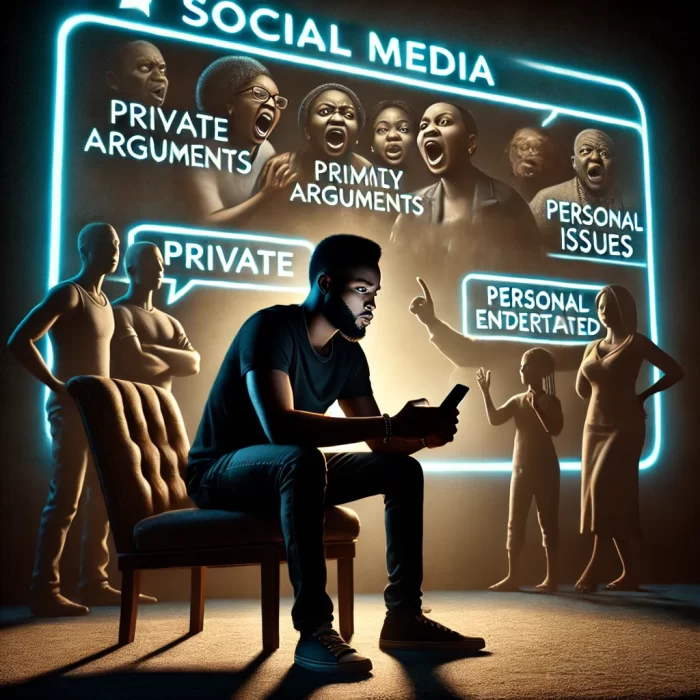
Have you ever opened TikTok, Instagram, or WhatsApp to check just one message and then realized that an hour had passed? This experience is common among many teenagers today. Platforms such as TikTok, Instagram, Snapchat, and Facebook have become a major part of young people’s daily lives. While these platforms provide entertainment and make communication easier, social media does more harm than good to teenagers because of its effects on their lifestyle, academic performance, and mental health.
One major effect is on teenagers’ lifestyle. Many young people spend a large amount of time on their phones without even realizing how quickly time passes. What is meant to be “just a few minutes online” often turns into hours of scrolling through videos and posts. This reduces the time they should be using for important activities like studying, resting, helping at home, or building useful skills. Over time, it becomes a habit that affects discipline and daily routine.
It also influences behaviour. Teenagers are easily exposed to trends, challenges, and lifestyles online, and some of them try to copy these things without thinking about the consequences. In addition, social media often shows only the “best side” of people’s lives. When teenagers constantly see luxury lifestyles and perfect pictures, they may begin to feel like their own lives are not good enough, even though what they are seeing is not always real.
Social media also affects academic performance. Many students struggle to concentrate because their attention is always being interrupted. Even when they plan to study, notifications, messages, or the urge to quickly check something often distract them. What is supposed to be a short break can easily turn into long hours of wasted time. As a result, students end up not finishing their assignments or not studying well, which gradually affects their grades and understanding in school.
Another issue is mental health. Teenagers often compare their lives with what they see online. Since most people only post their happiest moments, achievements, and attractive pictures, it creates a false idea that everyone else is doing better. This comparison can lead to pressure, stress, low self-confidence, and dissatisfaction with their own lives.
However, social media is not completely bad. It can help people learn new things, communicate easily, and develop skills such as writing, design, and communication. The problem is not the platform itself, but how it is used and the amount of time spent on it.
Although social media has some benefits, it does more harm than good to teenagers when it is not properly controlled. It affects their lifestyle, academic performance, and mental health. Therefore, teenagers must learn to use social media responsibly, set limits, and focus more on real-life priorities. Social media is a powerful tool, but without control, it can easily become a major source of distraction and harm.


























You must be logged in to post a comment Login