
According to UNESCO, one in six school-age children are excluded from education, with sub-Saharan Africa and conflict zones most affected, highlighting the need for targeted investment.
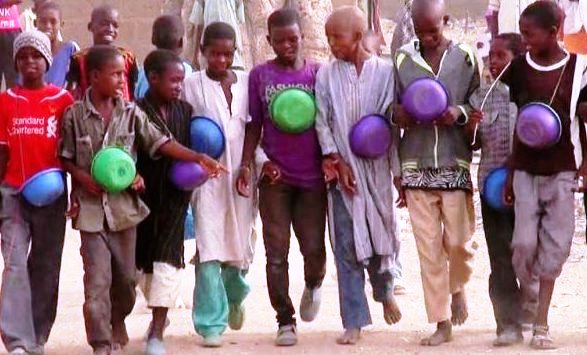
Let us stop seeing them as a normal part of the landscape and start seeing them as the crisis they are. Let us be the generation...
The rise in street children is fueled by multiple factors. Poverty forces families to send children out to work or beg just to survive. Broken homes,...
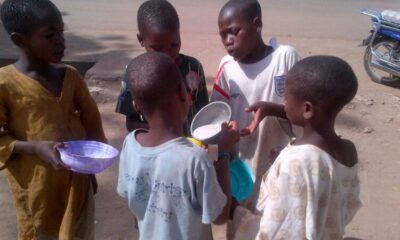

Until street children are welcomed into classrooms and given a genuine opportunity to learn, Nigeria’s promise of education for every child remains unfulfilled. Making invisible learners...
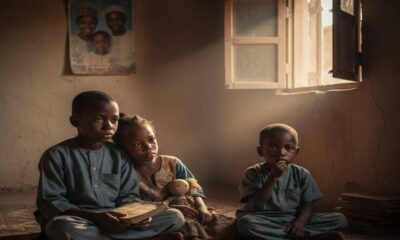

As they grow older, these children often carry unresolved pain into adulthood. Some become parents themselves without having a clear example of what good parenting looks...
The Almajiri system is a crisis that demands urgent attention and action. It is our collective responsibility to ensure that these vulnerable children are protected, educated,...
Activists argue that religious institutions must play a more active role in reversing this trend. Some Islamic schools (tsangaya) and church-run missions are beginning to incorporate...
Almajiri practice is as detestable to religion, civilized culture, and common sense as marketed babies in the South. Whether our factories produce marketed babies as prevalent...
Addressing this crisis requires a collective effort. It is erroneous to assume that only the government holds the responsibility for improving the lives of street children....

Immigration Service begins probe into extortion allegations at Seme border, suspending top officers and urging public to report misconduct.
Police say a viral video claiming a terror attack in Abuja is false and misleading. A suspect has been arrested...

Eight persons have been confirmed dead following a late-night attack on Mbwelle village in Plateau State, residents say.

Motsepe denies corruption allegations as Senegal challenges CAF’s decision to strip them of the AFCON title and award it to...
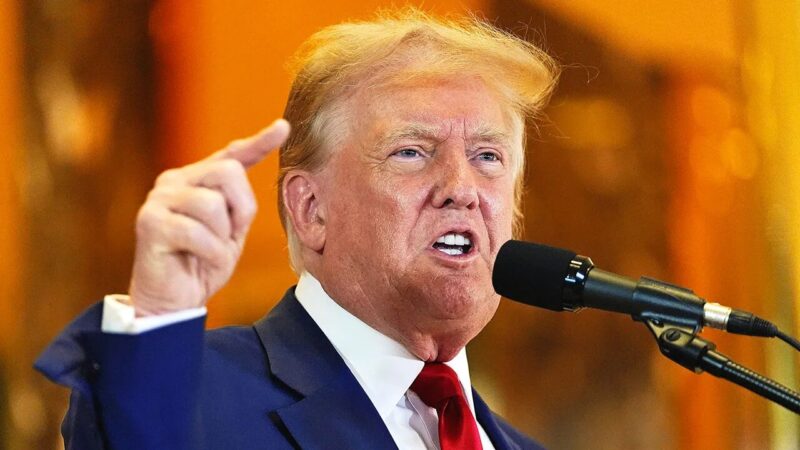
Donald Trump warns Iran against imposing tolls on ships in the Strait of Hormuz, saying oil will flow “with or...
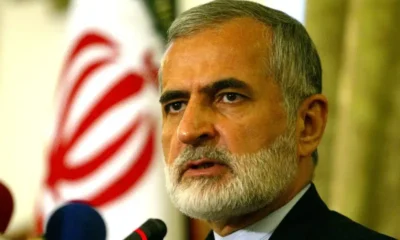

Kamal Kharazi, who served as Iran’s foreign minister from 1997 to 2005, has died after injuries from recent attacks.
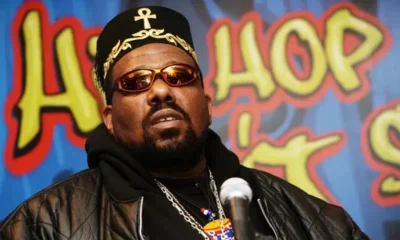

Afrika Bambaataa is dead at 68. The iconic DJ and hip-hop innovator leaves behind a legacy that shaped modern music...
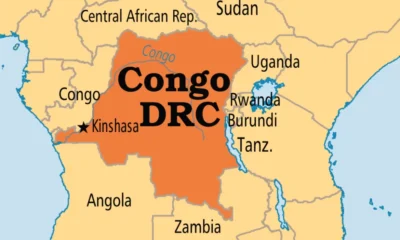

The Congo central bank has announced a ban on foreign currency cash transactions, allowing only electronic use from 2027.
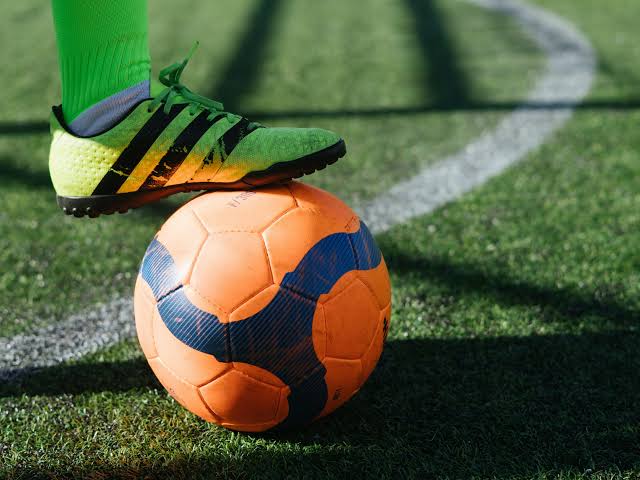
Mbappé tops the UCL scoring chart with 14 goals, with Kane on 11 and Gordon on 10 as the Golden...

Burna Boy’s songs have been removed from DJ playlists across Nigeria after an alleged altercation with DJ Tunez. Here’s what...

The World Bank says higher oil prices could significantly impact Nigeria’s economy, adding pressure on inflation through fuel, logistics, and...

Hansi Flick explains Yamal’s reaction, insisting the 18-year-old is still learning ahead of Barcelona’s Champions League tie.

UK blocks Kanye West from entering the country, forcing organisers to cancel the Wireless Festival and issue refunds to ticket...


If there's any lesson to be drawn from global trends it's this: left unchecked, digital lending at high cost not...
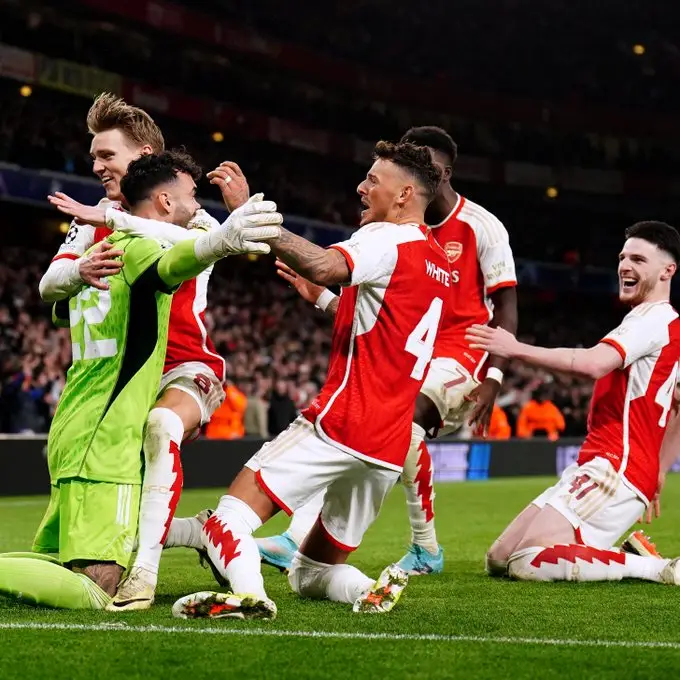
Arsenal take on Sporting in Lisbon as they seek redemption in Europe after a dip in form and several key...

Ex-Arsenal and Wales midfielder Aaron Ramsey retires after struggling with injuries, concluding a career spanning top European clubs and international...
Mikel Arteta calls for resilience as Arsenal take on Sporting after back-to-back losses in domestic competitions.

FA Cup semi-finals are set, with Chelsea vs Leeds and Man City vs Southampton after dramatic quarter-final results.

After Italy’s World Cup exit, Canada launches a jersey swap campaign in Toronto to rally Italian-Canadian fans behind the hosts.