Africa
Tasks Before The New IGP -By Tochukwu Jimo Obi
Professional image also matters. The spectacle of officers appearing dirty, untidy or improperly dressed, and the practice of wearing mufti while carrying firearms on duty, erodes public respect. Discipline begins with appearance. Clear standards on dress code and bearing must be enforced consistently. A professional police force should inspire confidence at first sight, not suspicion or ridicule.

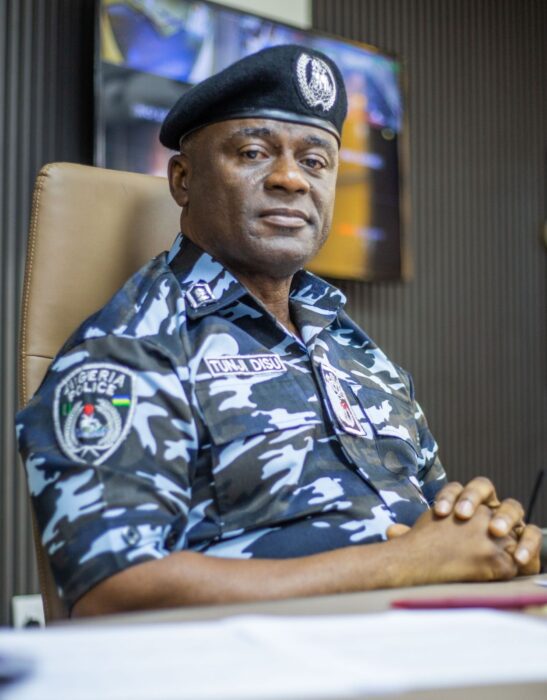
The appointment of Tunde Disu as Inspector General of Police by Bola Tinubu is timely and significant. It comes at a moment when many Nigerians have grown increasingly disillusioned with the nation’s security architecture, particularly the Nigeria Police Force. Public confidence in policing has been severely eroded by years of misconduct, inefficiency and allegations of corruption. Against this backdrop, the choice of Disu has attracted widespread commendation, largely because of his professional record and visible achievements in previous assignments.
Many citizens view his elevation as an opportunity for a fresh start. His track record within the Force suggests administrative capacity, operational competence and a firm understanding of modern policing demands. However, goodwill alone will not repair the fractured relationship between the Police and the public. Expectations are high, and rightly so. The new Inspector General must recognize that symbolic leadership will not suffice; systemic reform is required.
While congratulating the Acting IGP on his appointment, it is necessary to stress that the Nigeria Police needs a comprehensive overhaul. Incremental adjustments will not address deep-rooted structural and cultural problems. The Force must undergo reforms that touch recruitment standards, training modules, accountability systems and internal discipline mechanisms. Cosmetic changes will only prolong public distrust.
One of the most urgent areas demanding attention is the incessant abuse of fundamental human rights. Illegal arrests, prolonged detentions without charge, intimidation of citizens and other forms of unprofessional conduct have become disturbingly common. These practices not only violate the Constitution but also undermine the legitimacy of law enforcement. The new IGP must establish clear consequences for such misconduct and empower oversight units to act swiftly and transparently.
Bribery and corruption remain perhaps the most visible stain on the image of the Police. Across highways and urban centres, extortion of motorists at checkpoints has become normalized. This daily humiliation of citizens must end. It is not enough to issue circulars condemning the practice; there must be consistent monitoring and severe sanctions for any officer found culpable. Without decisive action, public cynicism will persist.
A critical reform measure that deserves immediate attention is the procurement and deployment of body-worn cameras. When properly implemented and monitored through a functional command and control centre, such technology can significantly curb abuses. Real-time recording of police interactions would promote transparency, protect responsible officers from false allegations and deter recalcitrant personnel from misconduct. Modern policing requires modern tools.
Professional image also matters. The spectacle of officers appearing dirty, untidy or improperly dressed, and the practice of wearing mufti while carrying firearms on duty, erodes public respect. Discipline begins with appearance. Clear standards on dress code and bearing must be enforced consistently. A professional police force should inspire confidence at first sight, not suspicion or ridicule.
Beyond discipline and technology, welfare cannot be ignored. Policemen who are poorly housed, inadequately insured, or irregularly paid are more susceptible to corruption and low morale. The IGP must work with relevant government bodies to ensure that officers receive their entitlements promptly and that living and working conditions improve. Reform cannot succeed if the rank and file feel neglected.
Finally, the new Inspector General must remember that his ultimate loyalty is to the Nigerian people and the Constitution. As political activities gradually build toward the 2027 elections, pressure from powerful interests will intensify. He must resist any attempt to deploy the Police as a partisan tool. History will judge his tenure not by proximity to power, but by his commitment to justice, professionalism and the rule of law.
Tochukwu Jimo Obi is a Public Affairs Commentator.
He writes from Obosi, Anambra state.