Africa
The Escalating Crisis Of Inadequate Facilities In Nigerian Hospitals (1) -By
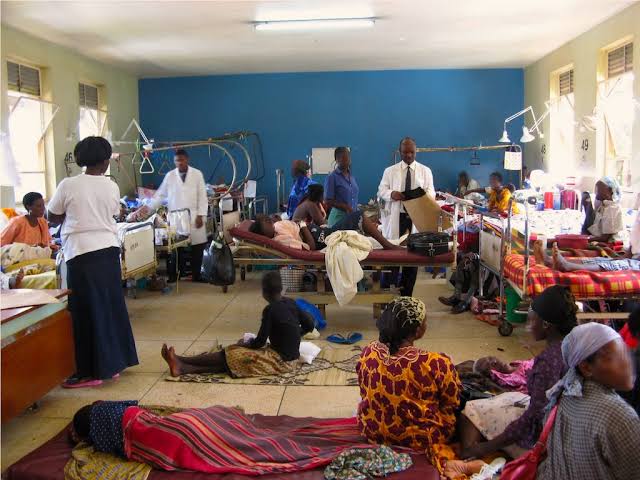
Overcrowding is another common issue. Many hospital wards are full beyond their capacity, and patients may have no beds or even lie on the floor. Crowded wards make it easier for infections to spread and make it hard for doctors and nurses to give good care. Waiting in such conditions is stressful for patients and their families, both physically and emotionally.

In the heart of Africa’s most populous nation lies a silent emergency ,one that doesn’t make headlines as often as it should, yet affects millions daily. Nigeria’s healthcare system is in a state of chronic distress, with inadequate facilities in public hospitals posing a grave threat to the well-being of its citizens, the crisis is not only escalating , it is becoming normalized.
A hospital should be a place where lives are saved and hope is restored. Unfortunately, this is not always the case in many Nigerian hospitals today. Across the country, the lack of adequate facilities has become a serious challenge, affecting the quality of healthcare and putting the lives of patients at risk. From poor infrastructure to shortage of medical equipment and drugs overcrowded wards to broken equipment, Nigerian hospitals continue to struggle, making healthcare delivery difficult for both patients and health workers.
A big problem in many hospitals is the lack of medical equipment. Important tools like X-ray machines, ventilators, incubators, and laboratory devices are often missing. When equipment is available, it may be old or not working properly. Because of this, patients sometimes have to travel far to private hospitals or wait a long time for treatment. For people who cannot afford private care, this can be very dangerous.
Overcrowding is another common issue. Many hospital wards are full beyond their capacity, and patients may have no beds or even lie on the floor. Crowded wards make it easier for infections to spread and make it hard for doctors and nurses to give good care. Waiting in such conditions is stressful for patients and their families, both physically and emotionally.
Healthcare workers are also under a lot of pressure. Doctors, nurses, and other staff often have to do their jobs without the proper tools or working conditions. This can lead to burnout, and many skilled professionals leave the country for better opportunities. This “brain drain” makes it even harder for hospitals to meet the needs of patients.
The situation is especially serious for mothers and children. Many hospitals do not have safe delivery rooms, emergency equipment, or proper care for newborns. This contributes to high rates of maternal and infant deaths in Nigeria. Sadly, many of these deaths could be prevented if hospitals had the right facilities and trained staff.
Poor and low-income patients suffer the most. Without access to functioning public hospitals, many turn to unlicensed clinics or delay treatment until their illnesses become more serious. This gap in healthcare access leaves the most vulnerable people at the greatest risk.
The lack of proper hospital facilities also affects the country as a whole. When people are sick, they cannot work or contribute fully to society. Families and the government spend more money on medical emergencies, travel, and private care. Healthcare is not just about treating illness,it is essential for the country’s growth and stability.
To fix this crisis, urgent action is needed. Hospitals must be improved with better buildings, up-to-date equipment, and well-trained staff. Healthcare workers should be supported so they can stay and work effectively. The government, private sector, and communities all need to work together to make hospitals safe and reliable.
Improving hospital facilities is not just a policy issue .it is about human lives. Every Nigerian should be able to access safe and properly equipped healthcare. The health of millions, the productivity of the nation, and the trust in the healthcare system all depend on immediate action. It is time to turn promises into results and give Nigerians the healthcare they deserve. The crisis of inadequate facilities in Nigerian hospitals can no longer be ignored. When hospitals lack basic equipment, drugs, electricity, and clean water, lives are placed in danger. Improving healthcare facilities should be treated as a national priority. With proper funding, accountability, and commitment from the government and stakeholders, Nigerian hospitals can be improved. A healthy population is the foundation of a strong nation, and urgent action is needed to secure the future of healthcare in Nigeria.