
Africa
Why International Partnerships Are Crucial to Nigeria’s Fight Against Terrorism -By Andrew Yilrit Ritji
Nigeria’s experience shows that terrorism is not just a military problem but a multidimensional challenge requiring global cooperation. While Nigerian forces remain at the forefront of the fight, international partnerships have provided critical support that has saved lives and reduced the reach of extremist groups.

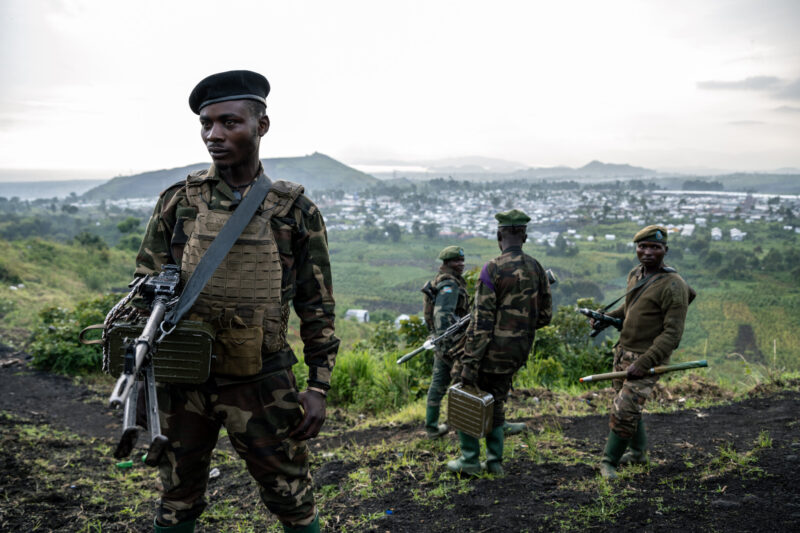
Nigeria’s battle against terrorism is far from over. Despite years of sustained military operations, insurgent groups such as Boko Haram and the Islamic State West Africa Province (ISWAP) continue to inflict violence on civilians and security forces, particularly in the North-East and the Lake Chad Basin. The persistence of these threats has made one reality increasingly clear: Nigeria cannot confront terrorism alone. International partnerships have become essential to weakening insurgent networks and restoring stability.
In 2025, terrorist violence remained intense. Attacks on communities, clashes between rival insurgent factions, and raids on strategic locations led to hundreds of deaths and mass displacement. These groups exploit Nigeria’s vast terrain, porous borders, and regional instability to regroup and rearm. Their operations extend beyond national boundaries, making terrorism a transnational challenge that demands a coordinated international response.
Over the years, Nigeria has built a broad network of foreign security partnerships focused on five key areas: military equipment, training, intelligence sharing, humanitarian support, and regional joint operations. These partnerships have significantly strengthened Nigeria’s counterterrorism capacity.
The United States has emerged as one of Nigeria’s most important partners. Its support includes the supply of A-29 Super Tucano aircraft, advanced intelligence and surveillance assistance, and training for Nigerian special forces. These contributions have improved the precision of airstrikes and enhanced the military’s ability to track and target insurgent leaders. Beyond the battlefield, U.S. funding has supported deradicalization programs and humanitarian relief for communities devastated by conflict.
The United Kingdom has concentrated on counter-IED training and military justice reform. By helping Nigerian forces better detect explosive devices and adhere to human-rights standards, British assistance has reduced civilian casualties and strengthened professionalism within the armed forces.
France, drawing on its military presence in the Sahel, has provided intelligence sharing and operational support, particularly in the Lake Chad region. This cooperation has improved cross-border surveillance and limited the ability of insurgents to move freely between countries.
China and Russia have played key roles by supplying military hardware, including drones, helicopters, armored vehicles, and ammunition, alongside training and technical support. These partnerships have enhanced Nigeria’s air mobility, surveillance, and firepower, especially during periods when access to Western military equipment was restricted.
Israel has supported Nigeria with advanced surveillance systems, border-monitoring technology, and specialized training in intelligence and urban counterterrorism. This cooperation has improved the protection of critical infrastructure and strengthened efforts to dismantle terrorist cells.
Germany’s contribution has focused on training police and border security personnel, as well as supporting humanitarian and stabilization programs in the North-East. These efforts have helped improve civilian security and reduce the conditions that allow extremist groups to recruit.
Regional cooperation remains one of the most decisive factors in Nigeria’s counterterrorism efforts. Joint operations with Chad, Niger, and Cameroon have disrupted Boko Haram’s supply routes and reduced safe havens along Nigeria’s borders. At the center of this cooperation is the Multinational Joint Task Force (MNJTF), which brings together Nigeria, Niger, Chad, Cameroon, and Benin. Through combined air and ground operations, the MNJTF has significantly weakened insurgent strongholds in the Lake Chad Basin.
International organizations also play a vital role. The United Nations has supported humanitarian relief, education, healthcare, and Disarmament, Demobilization, and Reintegration programs. These initiatives address the root causes of extremism by supporting displaced populations and reintegrating former fighters into civilian life.
Nigeria’s experience shows that terrorism is not just a military problem but a multidimensional challenge requiring global cooperation. While Nigerian forces remain at the forefront of the fight, international partnerships have provided critical support that has saved lives and reduced the reach of extremist groups.
As terrorism continues to evolve, sustained international engagement will be crucial. Strengthening these partnerships—while building local resilience and governance—offers Nigeria its best chance for lasting peace, national security, and regional stability.
























You must be logged in to post a comment Login