National Issues
The Exit Of Uber And The Mass Exodus Of The Multinational Companies Out Of Nigeria In The Current Regime -By Hajia Hadiza Mohammed
According to the statement by the US body, Nigeria’s underdeveloped power sector forces businesses to rely on generators powered by diesel to run their operations, further contributing to rising prices. In the same vein, an international business research firm, the Economist Intelligence Unit (EIU), stated in its 2024 Country Report on Nigeria that multinationals are increasingly deciding to quit Nigeria or reduce their presence owing to corruption, cronyism, rampant insecurity and a giant infrastructure gap.”

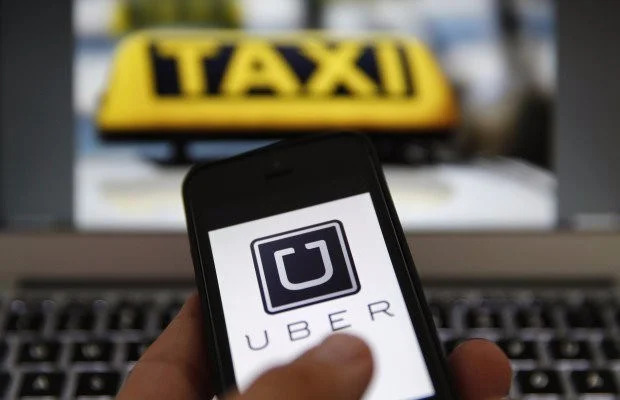
The exit of Uber Technologies Inc., the American-based ride-hailing, courier, food delivery and freight transport company from Nigeria has again necessitated among other things the need to take another look at the economic policies of the current Nigeria regime. The company, Uber has operated in Nigeria for 12 years, since the time of President Goodluck Ebele Jonathan, 9 years before the coming of Tinubu regime. The company which began operation in 2010 operates in over 70 countries and in 15 thousand cities worldwide. But on September 2, 2026 the company left the country due to the poor operating condition prevalent in Nigeria.
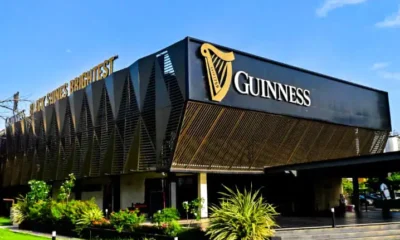
Since the coming of the APC regime in 2015 over 70 different foreign conglomerates have wind down their operations and left Nigeria. And in the last three years of Bola Ahmed Tinubu administration about 20 multinationals have divested and left the shores of Nigeria. For the avoidance of doubt, here is the list of the companies that have closed down their operations in Nigeria in the last three years. In 2023, we have 10 companies namely: GlaxcoSmithKline (GSK), Procter & Gamble (P&G), Sanofi, Bolt Food, Jumia Food, Equinor, 54gene, Lazerpay, Mabisco and Unilever. In May, 2024, Microsoft Nigeria closed it prominent African Development Center (ADC) in Lagos and in June, Kimberly-Clark announced the termination of its 15-year manufacturing and business operations in Nigeria. In the same year, PZ Cussons Nigeria, Total Energies & Shell divested and sold their legacy onshore oil fields and assets to local and regional consortium. Heineken sold his stakes in the Champion Breweries in 2024. Also, Diageo Plc. sold its 58.02% stake in Guinness to the Tolaram Group. And between last year and this year the South African grocery retail company Pick n Pay has finalized its exit by selling off its stake and now it is Uber that has announced its exit from Nigeria.
That is not all. It is instructive to note that many more global brands in Nigeria are still scaling down their operations, shifting from local manufacturing to purely import-based distribution models. And that is worrisome coming in a regime that claims to have initiated reforms that would rejig the economy. Unfortunately, the so-called reform is suffocating business conglomerates out of the country, with majority of our local firms going into extinction. So far, only 2 companies: Starlink, an internet service company, and Spiro, a battery-swap business company have found their way into Nigeria since the advent of Tinubu regime in 2023.
The effects and the collateral damage to the economy by the mass exodus of these foreign conglomerates cannot be fully estimated. The first direct effect is job loss. Experts, including institutions and professional agencies like the Lagos Chamber of Commerce and Industry (LCCI), Manufacturers Association of Nigeria (MAN) and Nigeria Employers’ Consultative Association (NECA), estimated that the exit, restructuring, and scaling down of multinational corporations and manufacturers in Nigeria that over 20,000 direct jobs and nearly 100,000 indirect jobs have been lost across the broader value chain. And with the loss of job comes increase in dependency ratio and its attendant problems.
The second obvious unsavory effect of the divestment of foreign concerns in Nigeria is the issue of capital flight. Vanguard Newspaper of September 8, 2026 reported that the expected foreign portfolio withdrawals from Nigeria in the last 3 years is over N266 billion. And reports from wealth-tracking firms like Henley & Partners reported that in 2025 alone the total number of liquid assets moved out Nigeria by high-net-worth individuals is estimated at over $1.5 billion. Another crippling effect of these foreign divestment is the negative effect on local productivity. Economists estimated the wider output loss from these departures is in the neighborhood of tens of trillion Naira. And yet, those managing the economy are telling us that the economy is growing.
At this juncture, I must pause to ask why companies are leaving Nigeria. And again, the answer to the question is quite obvious. The adverse operating environment: It costs much to run factories and offices in Nigeria; the difficulty in sourcing foreign exchange, the deteriorating value of the naira and crippling energy cost.
Despite the government propaganda about reform and growth the result shows motion without movement. The Nigeria economic environment is still toxic and it is clear to everyone locally and internationally. This is what the US Department of State say about Nigeria according to media report. “In its 2024 Investment Climate Statements, the US Department of State reported that poor regulatory framework, corruption, insecurity and inadequate electricity supply are the factors threatening the growth of Foreign Direct Investments (FDI) in Nigeria. According to the statement by the US body, Nigeria’s underdeveloped power sector forces businesses to rely on generators powered by diesel to run their operations, further contributing to rising prices. In the same vein, an international business research firm, the Economist Intelligence Unit (EIU), stated in its 2024 Country Report on Nigeria that multinationals are increasingly deciding to quit Nigeria or reduce their presence owing to corruption, cronyism, rampant insecurity and a giant infrastructure gap.”
Hajia Hadiza Mohammed
hajiahadizamohammed@gmail.com
An actress, social activist, politician
London, UK