
Forgotten Dairies
Whether Nigeria is Hell, Bad Shouldn’t Define the Good News -By Ugochukwu Ugwuanyi
The above exegesis is buttressed by what played out in Nineveh, as recorded in Scripture. Jonah wanted instant destruction of the sinful city and its people, but mercy said no! Even when he overplayed his hand and attempted to sabotage God’s mission, the Almighty – out of compassion for Nineveh – forced Jonah to do the needful, which resulted in “the people of Nineveh believing God, and proclaiming a fast, and putting on sackcloth, from the greatest of them even to the least of them…

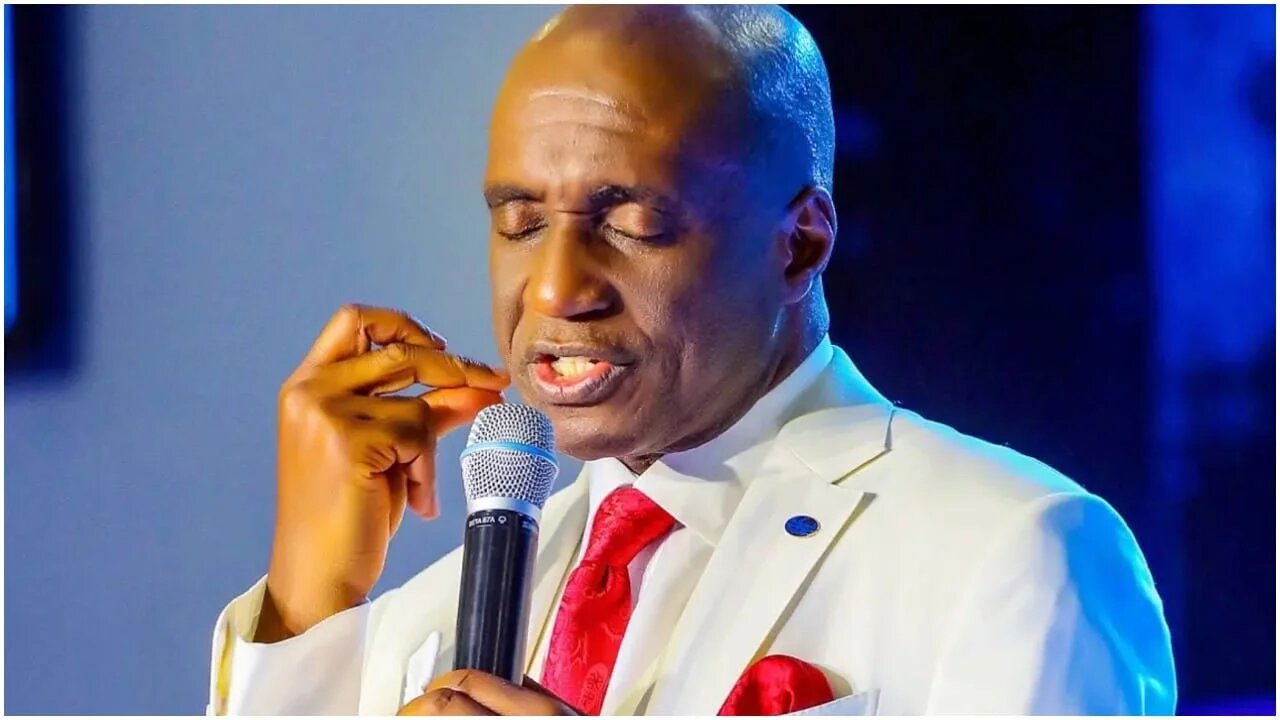
It’s high time proselytising Christians in Nigeria answered whether what they preach in street corners, markets, parks, and inside commercial buses is the Good News (Salvation from the power of sin and eternal damnation, gifted by God to humankind through Christ) or bad news. This is based on the palpable popularity of Pastor David Ibiyeomi’s assertion that no pauperised Nigerian will accept salvation if all there is to deter them from a sinful lifestyle is spending eternity in hell. Newspaper editors had a field day with the story, given that the misery index in the country is arguably at an all-time high, worsened by a cost-of-living crisis.
The soul-winning advice from the Salvation Ministries founder dominated headlines and timelines owing to the preponderance of preachers threatening fire and brimstone when they should be emphasising the redemptive work of Christ on Calvary. In revival programmes, Church services, and early morning evangelism, people are told to repent or perish, and that God has stirred hellfire for the eternal damnation of sinners. Those who preach this inadvertently induce fear where they should be inspiring hope. If politicians can exploit the appeal of hope to woo voters, why would evangelists think they can use despondency to win people over to the Kingdom?
Against the backdrop of the harsh economic realities Nigerians are battling, Ibiyeomi enjoined Christians to emphasise the love and compassion of Jesus Christ rather than eternal damnation when preaching repentance to unbelievers in the country. Delivering a sermon titled The Power of Compassion, he said, “You can imagine preaching hell to Nigerians; they are already in hell. There is no way you will preach hell to Nigerians, and anybody will be born again… If you say, ‘You’ll go to hell,’ the man will say, ‘The suffering wey I dey suffer now, na wetin e be?’”
The balancing aspect of the man of God’s remark is didactic. This was as he recommended: “Just tell them God loves you; He can change your story. Come to Jesus.” Indeed, God’s compassionate nature must not be lost on soul winners, especially those whose morning cry sounds like judgment and condemnation of the very people they are trying to evangelise.
As an aside, let’s make it clear that equating Nigeria with hell is hyperbolic and trivialises the suffering that goes on in Hades. That play-down needs to be played up because the poor sinner may be encouraged to continue livin’ La Vida Loca, which the Igbo colloquially call “Ụwa bụ ofu mbịa” since the afterlife is just another Nigerian experience. However, your guess is as good as mine if Nigeria has degenerated to the extent where someone would plead, “Father Abraham, have pity on me and send Lazarus to dip the tip of his finger in water and cool my tongue, because I am in agony in this fire.” (Luke 16:24). On a lighter note, granted that the country is grappling with an epileptic power supply, the electricity cuts can’t be qualified as “outer darkness, where there will be weeping and gnashing of teeth.” (Matthew 8:12).
Now, back to the point in Pastor Ibiyeomi’s prescription. This column agrees that hellfire isn’t what should be preached in the mission fields because it doesn’t meet the universality feature of the Gospel. That was the crux of a previous article titled, “Unadulterated gospel too global to clash with culture,” where we posited that “any gospel that panders to cultural realities or expectations is suspect. If natural laws like aerodynamics and gravity are applicable everywhere, including the extra-terrestrial, there should be no variableness or shadow of turning with the Gospel, particularly not per place.”
Without talking transnationally, if out of sensitivity to lived realities in the country, hell isn’t highlighted during evangelism in places like Mowe/Ibafo or Mararaba, will it then be fit for consumption by Lekki or Asokoro residents? Do denizens of such environments even give a crap? We are comparing neighbourhoods and cities here, not even advanced and developing countries, where the misalignment and inconsistency become more stark! Sensibilities around locales depict how helpless hell can be in making people turn to Christ. Before evangelists who warn sinners more about hellfire than Christ argue that a lone voice is not enough to demolish an ancient landmark (“Repent, for the judgment of God is at hand” is so entrenched and dated that it qualifies to be one), Pastor Ibiyeomi isn’t the only preacher in this school of thought.
Lagos-based Rev. Vitalis Onah once used Romans 2:4 to minister that “God doesn’t punish sinners into repentance, but loves people into repentance. God’s nature and character are love, and every one of His acts revolves around that.” The fiery preacher was categorical that “anybody who repents as a result of the preaching of hell won’t make heaven. This is because such a person confessed Jesus out of fear, not faith.” Onah maintained that the confession of faith leads people to salvation and safety, not fear-induced declaration. “What leads us to repentance is the goodness of God, not the fierceness of hell,” he averred.
The above exegesis is buttressed by what played out in Nineveh, as recorded in Scripture. Jonah wanted instant destruction of the sinful city and its people, but mercy said no! Even when he overplayed his hand and attempted to sabotage God’s mission, the Almighty – out of compassion for Nineveh – forced Jonah to do the needful, which resulted in “the people of Nineveh believing God, and proclaiming a fast, and putting on sackcloth, from the greatest of them even to the least of them… When God saw what they had done and how they had put a stop to their evil ways, he changed his mind and did not carry out the destruction he had threatened.” (Jonah 3:5, 10). One may say that the apocalypse foretold in Nineveh isn’t any different from the hell-centric messaging of modern Nigerian evangelists. That was before the coming of Jesus, who is the epitome of love. According to 1 Corinthians 1:23, the only thing we are permitted to preach is Christ crucified!
Whether Nigeria is hellish or not is immaterial; enough of hellfire being used as a bogeyman for salvation already. Come to think of it, that wasn’t the standard set by our Lord Jesus Christ. In a manner of speaking, it was as if the Lord knew that the threat of grievous punishment wouldn’t endear Him to the poor; hence, He fed them with the Good News. Luke 4:18, “The Spirit of the Lord is upon me, for he has anointed me to bring Good News to the poor. He has sent me to proclaim that captives will be released, that the blind will see, that the oppressed will be set free.” With this as the case, no evangelist has the right to smuggle hellfire – which is bad – into this Good News, irrespective of the poor experiencing hell on earth.
























You must be logged in to post a comment Login